Author: Daily News

  • Pandamatenga farmers return to full operation

    Pandamatenga farmers return to full operation

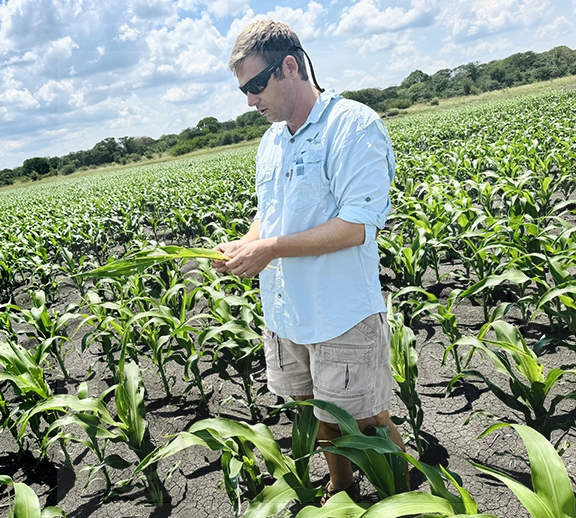
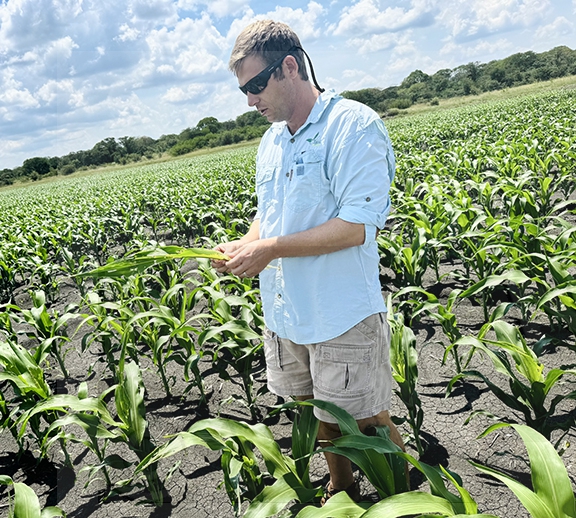
    Pandamatenga commercial farmers have resumed ploughing operations following heavy downpours in January that left fields inaccessible and crops submerged in water.

    In an interview, Pandamatenga Commercial Farmers Association executive member Mr Ryan Neal emphasised that this was a critical season to sustain national grain stability and financial viability for farmers.

    Mr Neal stated that the fact that Pandamatenga was the primary source of grain production in Botswana compelled farmers to return to full operations in order to ensure a steady supply of harvest.

    He indicated that it was essential for the soil conditions to continue to hold optimal soil moisture, adding that if the soils became waterlogged it would adversely affect the yields.

    He assured that despite substantial damage to crops, farmers were working hard to ensure a good agricultural output. Mr Neal said the unprecedented flooding struck when only 8 500 hectares of a total 40 000 hectares project area had already been planted.

    He remarked that assessments were still ongoing on farms that were affected by the floods with some farmers replanting the whole fields while some replanted certain portions.

    “The biggest damage was the farms themselves suffering from top soil erosion, drainage damage, road damage as well as equipment damage and all of these damages are being assessed by insurance companies.”

    Mr Neal pointed out that farming was a high risk undertaking requiring heavy capital investment, hence good yields were vital for farmers to remain solvent, and thereby retain their capacity to service bank loans. He pleaded with government to facilitate settlement of debts owed to farmers by BAMB as the 26 per cent debt was affecting their operations.

    The farmer revealed that this year farmers were diverting from planting sorghum heavily and were gravitating towards increased sunflower planting in order to mitigate risks associated with delayed payments from BAMB.

    He said farmers were flexible with their cropping plans, into which they easily incorporated high soil moisture crops like wheat, chickpeas, sunflower and mung beans.

    Mr Neal acknowledged the critical role being played by the Pandamatenga commercial farms drainage system that was installed by government, noting that without it the floods would have left a total calamity.

    “Massive erosion occurred on farming areas and unfortunately the bridge along the A33 highway has insufficient capacity to handle that much water and it became a wall blocking the flood waters.”

    He suggested that during road repairs, the bridge be elevated to allow excess water to be released from the farms.

  • Waloka urges districts to align plans with NDP 12

    Waloka urges districts to align plans with NDP 12

    Districts have been advised to align their draft development plans with the National Development Plan 12 (NDP 12) to ensure timely completion and effective implementation of national priorities.

    North West District Commissioner, Mr Thabang Waloka made the remarks during the District Development Committee (DDC) meeting aimed at engaging members on the alignment of the District Development Plan (DDP 9) with the recently approved National Development Plan (NDP 12). 

    He emphasised the importance of coherence and consistency in planning, saying public servants were agents of change and must adopt a results-oriented approach.

    “The government has entrusted us with the responsibility to make a difference when challenges arise instead of merely reporting challenges,” he said.

    DDC members were urged to contribute to the planning process and make sound inputs to ensure the success of the exercise.

    Further, he said the draft plans should include new ministries’ names, key performance indicators and project proposals with the core priorities of NDP 12, with particular emphasis placed on integrating the True North Pillars, the Botswana Economic Transformation Plan, and the strategic outcomes and key performance indicators as outlined in the NDP 12.

    While the NDP 12, guided by Vision 2036, aims to transform from mere planning to measurable progress with emphasis on evidence-based, result-oriented implementation, Mr Waloka said public servants were seen as agents of change for government priorities, hence they must adopt a culture of planning and result-oriented action.

    For instance, he said North-West district, with its unique challenges and opportunities, was singled out for special attention, with plans to upgrade Maun into a ‘green city’.

    The model, he said, sought to position Maun as a sustainable urban-area that utilised natural processes and vegetation to provide diverse ecosystem services, contributing to the overall sustainability and resilience of communities.

    “In an area that houses the Okavango Delta World Heritage Site, buzzing with tourism, mining and farming activities, we will have to identify what is necessary to improve the quality of life for our people and how best we can improve sectors such as mining, agriculture, and tourism to thrive and benefit communities,” Mr Waloka said.

  • Boko and Hichilema to launch Kazungula Bridge Authority

    Boko and Hichilema to launch Kazungula Bridge Authority

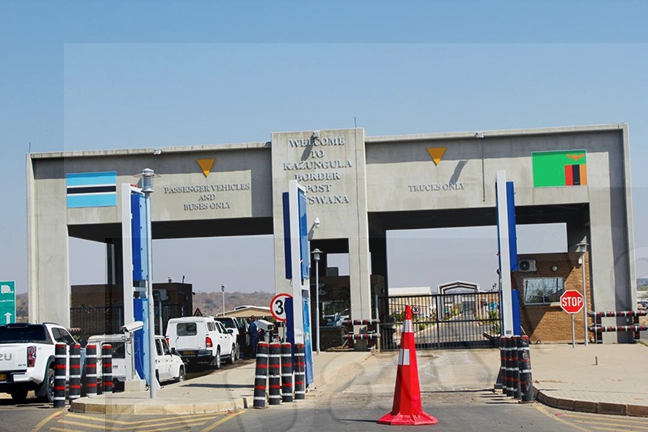
    President Advocate Duma Boko and his Zambian counterpart Mr Hakainde Hichilema are expected to launch the Kazungula Bridge Authority, a key milestone for regional integration, on Tuesday.

    This launch is subsequent to bilateral talks over the years which resulted with an agreement reached for the authority to be housed in Botswana, with the Chief Executive Officer coming from Zambia.

    The launch reaffirms commitment made by the two Heads of State at the inaugural session of Botswana- Zambia Bi-National Commission (BNC) in Lusaka last year, where they underscored a paramount resolve to see the authority fully operational.

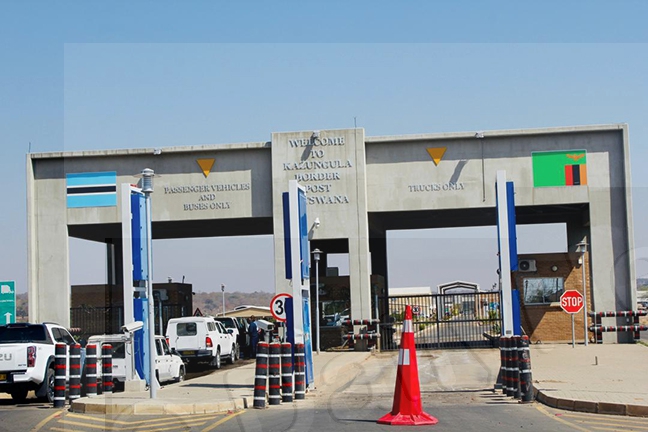
    Public Relations Officer in the Ministry of Transport and Infrastructure, Mr Tiro Kganela said in an interview that the authority would manage operations of the Kazungula One Stop Border Post (OSBP) and further position both countries as global competitors in investment and trade.

    The Kazungula OSBP is port of choice for many travellers and truckers doing businesses across the SADC region, he said, pointing out that the authority would unlock more opportunities for Botswana, Zambia and beyond.

    Furthermore, he emphasised that the KBA would harmonise customs and immigration operations between the two nations to ensure seamless and efficient movement of people and goods. The spokesperson said Botswana and Zambia have enjoyed a mutual friendship anchored on a shared democratic values and mutually beneficial economic cooperation.

    Mr Kganela stated that Botswana and Zambia collaborated in a number of initiatives and shared excellent bilateral relations anchored by long standing historical bonds of solidarity and common cultural heritage.

    He said the Kazungula Bridge had significantly contributed to the economies of the member states and promoted trade in the region since its commissioning in May 2021, adding that the KBA would catapult these accomplishments. Mr Kganela also remarked that the technical components of the KBA operationalisation, legal frameworks, and procedures would be divulged at the launch by the two leaders.

    He said the authority was a beacon for the people of Botswana and Zambia not just for stimulating economy but also for creating jobs for the people. Botswana and Zambia will hold bilateral ministerial meetings and authority board meetings in Kasane on Monday ahead of the launch.

  • Palapye Glass Project – The Art of Impunity

    Palapye Glass Project – The Art of Impunity

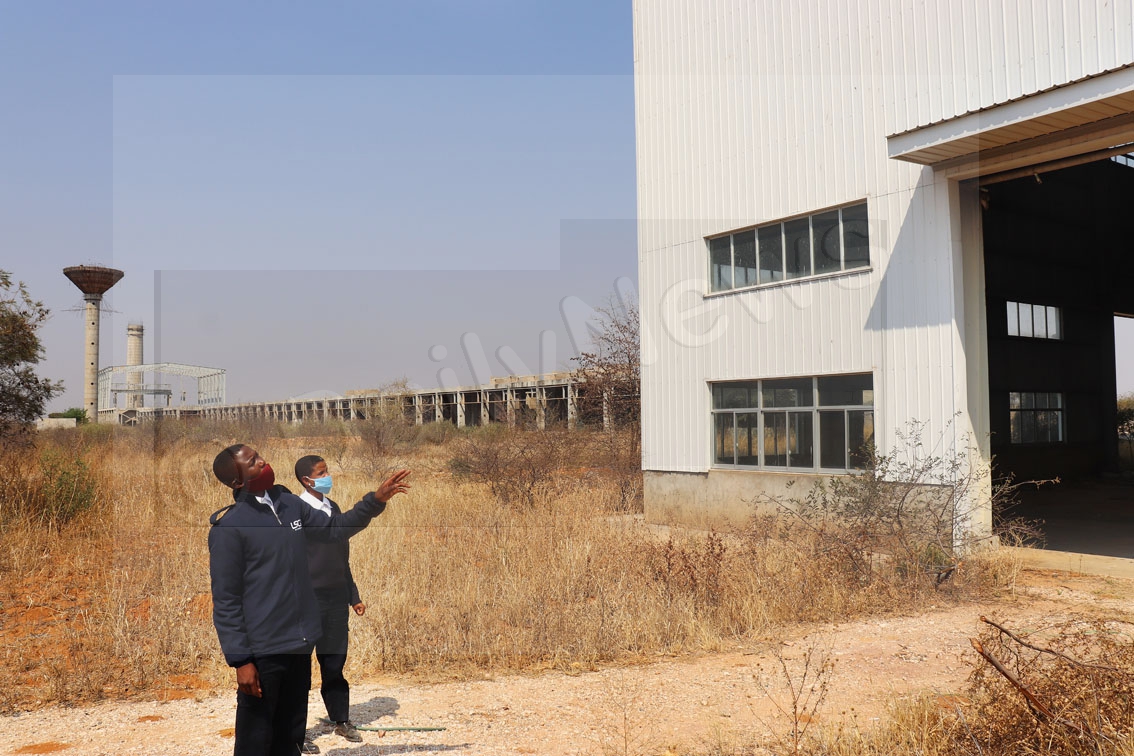
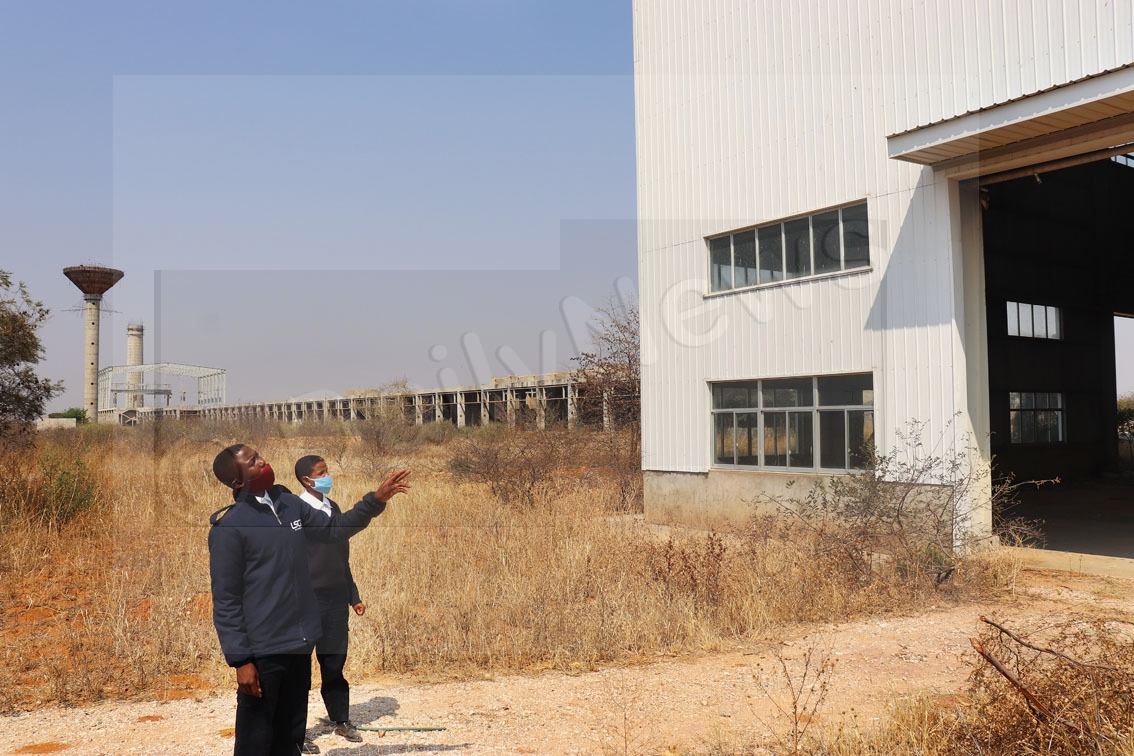
    The final accounting arrived in Parliament on 10 February 2026, though the project itself had ceased to exist over a decade earlier. Responding to Serowe South MP L. Lesedi, the Minister confirmed the arithmetic that had long circulated in audit reports and court papers: P601.2 million expended on the Palapye float-glass project, P67.8 million recovered, P380 million realised as loss . The venture-conceived in 2007 as a joint enterprise between the Botswana Development Corporation and Shanghai Fengyue, stalled by 2011, liquidated in 2013—was now reduced to a line in the Hansard. The furnaces never fired. The glass was never produced. What remains unresolved is the question of consequence for those culpable, whether by omission or commission, directly or indirectly.

    The Documented Warnings

    The Auditor General’s report for the year ended 30 June 2012 recorded the investment in Fengyue Glass at P422 million, noting that “the Board approved additional funding amounting to P332 million to cover additional project costs” . The report carried this finding:

    “The auditors were unable to obtain sufficient appropriate audit evidence… because the financial information of the joint venture company was not available.”

    The same report observed that “payments were not made directly to the EPC contractor but into the bank account of Fengyue Glass Manufacturing Botswana (Pty) Ltd,” and that auditors were denied access to those records .

    These were findings of the constitutional officer charged with safeguarding public funds. They did not result in publicly recorded disciplinary action against board members, executives, or ministerial overseers at the time.

    The Parliamentary Special Select Committee of Inquiry, appointed in December 2011 and chaired by Abram Kesupile, submitted its report in 2012. The committee found the project was “premised on poor due diligence, doubtful technical project partner selection, a litany of project implementation violations, and doubtful and reckless project fund disbursement” . A forensic audit referenced in committee proceedings revealed “hundreds of thousands of pula in the bank accounts of key BDC executives and employees that could not be accounted for” .

    The Prosecutorial Gap

    In July 2013, then Minister of Trade and Industry Dorcas Makgato-Malesu assured Parliament that “Government is not sitting idle… DCEC is investigating this matter” . She confirmed that “some of the files have been passed on to the DPP” .

    The investigation produced no prosecutions. In September 2020, Director of Public Prosecutions Stephen Tiroyakgosi informed the Public Accounts Committee that his office was “still awaiting evidence from Beijing” regarding a mutual assistance request sent in February 2012-eight years prior . No charges were laid against BDC executives, board members, or ministerial overseers. The DPP is not compelled by law to provide reasons for declining prosecution .

    The DCEC itself has acknowledged this pattern. According to Commonwealth Africa anti-corruption research citing DCEC annual reports, the agency referred multiple dockets to the DPP concerning the BDC allegations, yet “there were no cases sent for prosecution” .

    Liquidation and Recovery

    The High Court in Lobatse granted a provisional liquidation order on 13 November 2013, with BDC lawyers stating that “the company has no sources of income. It is hopelessly insolvent and its liabilities far exceed its assets” . Court papers noted that Fengyue Glass had “failed to submit PAYE, WHT and Income Tax returns and has many VAT returns outstanding,” and that “the full extent of its liabilities are unknown, because the company has no reliable financial records and has never been subjected to an annual financial audit” .

    Assets were eventually sold for P54.3 million in 2017, with Assistant Minister Biggie Butale informing Parliament that “the valuation report showed that the technical equipment to be sold was either used, incomplete, considerably deteriorated or out of any possible warranty” . The land was separately sold for P50 million .

    The Fiscal Context

    The loss crystallises during a period of acute fiscal pressure. The International Monetary Fund’s 2025 Article IV consultation noted that Botswana’s “fiscal deficit increased further in fiscal year 2024/25, to 7.1 percent of GDP,” with public debt rising “to more than 30 percent of GDP” . The IMF projected that “unless additional fiscal consolidation measures are adopted, public debt could rise sharply” .

    This represents a marked shift from earlier decades. The 2024/2025 budget acknowledged “constrained fiscal space” and “rising debt servicing costs.” When large capital outlays fail to generate returns, the strain compounds. Palapye’s P380 million realised loss is not the primary driver of the current tightening—but it is emblematic of a period in which significant public resources were deployed without commensurate productive output.

    The Continuum of Office

    The project spanned multiple administrations. Conceived during Festus Mogae’s presidency, it escalated during Ian Khama’s. Trade portfolios during its active period included Neo Moroka, Dorcas Makgato, and Thapelo Olopeng. Finance oversight during key phases was provided by Kenneth Matambo, who subsequently attempted to sue Parliament over the select committee report—a litigation dismissed by the Attorney General on grounds of parliamentary privilege .

    No parliamentary finding has established that any of these individuals engaged in criminal wrongdoing in relation to Palapye. The public record does, however, document a consistent pattern: forensic findings of unaccounted funds, parliamentary findings of “reckless” disbursement, and no prosecutorial outcome.

    Systemic Patterns

    Reports from the Accountant General and Public Accounts Committee over the last decade have recurrently cited: “Delays in submission of financial statements,” “Weak commitment controls,” “Inadequate asset management,” “Unreconciled balances” . PAC Chair Taolo Lucas noted in 2025 that some cases “from as far as 2014 were still pending in 2025, with little progress to put issues to finality” .

    The Ombudsman’s recent reports, while focused on service delivery, echo a broader institutional diagnosis: “systemic challenges,” “failures in implementation.” Palapye followed a comparable trajectory—findings issued, frameworks adjusted, enforcement uneven.

    The Verdict of 2024

    The Minister’s February 2026 statement closes the legal dimension of Palapye. The arithmetic is settled: P380 million lost. What remains unsettled is the governance question. The Parliamentary Select Committee found “reckless” disbursement. The forensic audit found unexplained funds in executive accounts. The DCEC referred files to the DPP. The DPP awaited evidence for eight years, then silence.

    Yet the final footnote to this saga may have already been written. In October 2024, the Botswana Democratic Party was removed from office after 58 years of uninterrupted rule. The electorate’s verdict was delivered not in audit language but in ballots—an assertion, rendered at the polling station, that the architecture of inconsequence had exhausted public patience. Palapye was not the sole cause of that electoral outcome. But it stands as the definitive case study of a system in which P380 million could vanish and no one would pay—a system that Batswana, by their vote, declared they would no longer tolerate. 
  • Moshupa Drug availability at 51 percent

    Moshupa Drug availability at 51 percent

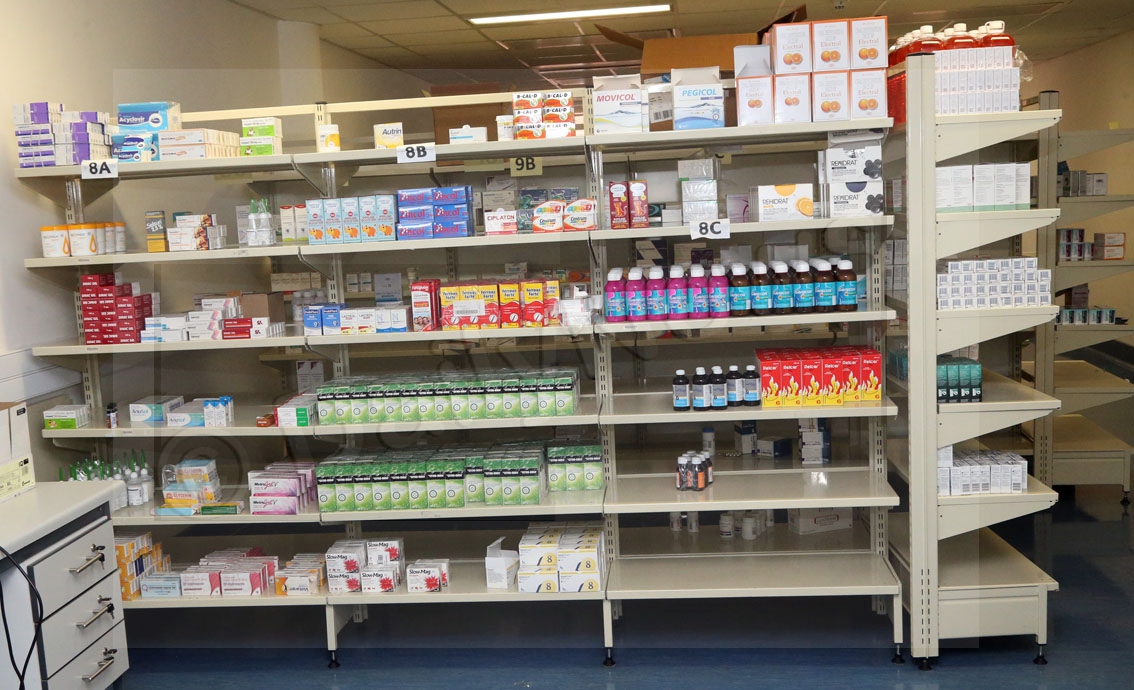
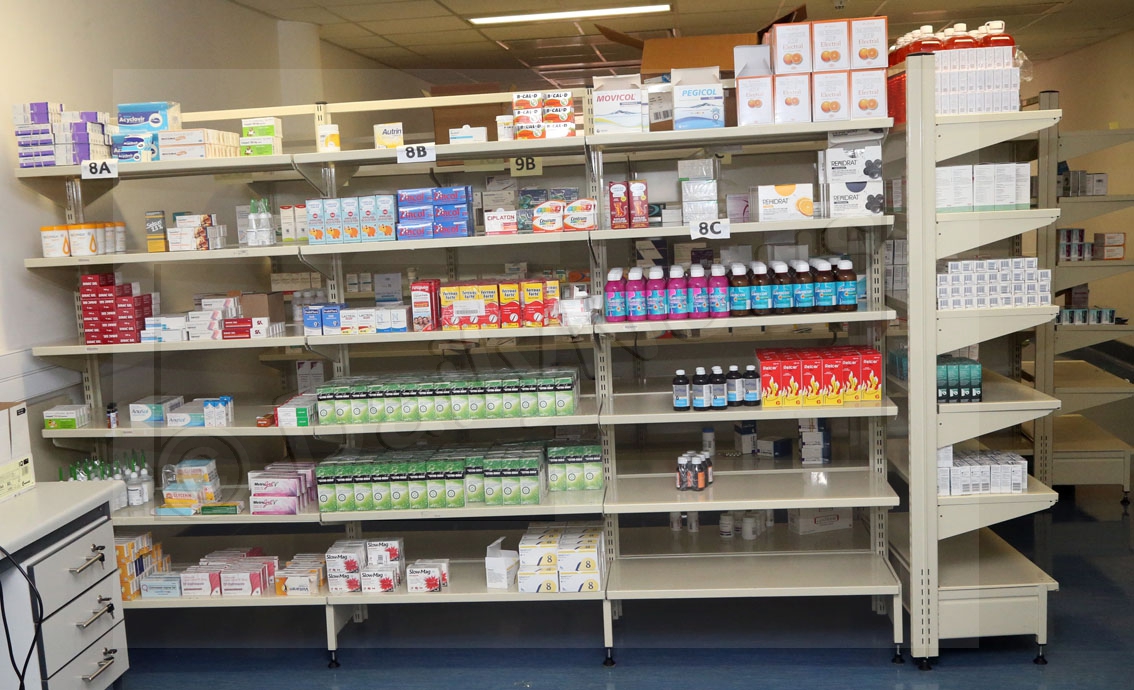
    As the 2025/26 financial year nears its end, Moshupa District Council’s Vital, Essential, and Necessary (VEN) drug stocks is at  51 per cent  a 13 per cent drop from last quarter’s 64 per cent. 

    Council chairperson Mr Peter Sethibe gave and update during Tuesday’s full council session, saying that shortages threatened patient care across clinics and health posts. 

    He said the council had an emergency meeting with Primary Health Care Services and had  formally escalated the matter  to the Ministry of Health. 

    Mr Sethibe said called for the restoration of micro-procurement powers or rock-solid guarantees of uninterrupted supplies from Central Medical Stores. 

    To bridge the gap, he said officials had launched a rapid redistribution drive, shifting surplus stock from better-supplied facilities to those with shortages.

     “This is not a solution, it is a palliative measure. While we fight for the cure, we must manage the pain,” Mr Sethibe said. “

    He said new measures included weekly drug availability monitoring at every site, citing that the local authority would no longer wait for quarterly reports to uncover disasters. The council has also approached local pharmacy on contract to explore short-term credit for essentials. 

    “I cannot promise success, but I can promise that no stone will be left unturned,” he said. 

    Furthermore, Mr Sethibe said  Assistant Minister of Local Government and Traditional Affairs, Mr Ignatious Moswaane, paid an unannounced visit to local clinics and the medical store warehouse on  January 27  to assess drug stocks and to show support to  frontline staff. 

    On other issues, Councillor Kabo Ramatsipele of Magotlhwane/Kgomokasitwa hailed the impending opening of Moshupa Primary Hospital in April as a game-changer for district health services. 

    Councillor Omphile Motlhajoe of Ralekgetho Ward voiced frustration over neglected roads, blaming delayed and inadequate Rural Support Grants (RSG) from the Ministry of Local Government and Traditional Affairs for stalling service delivery.

  • Backyard Gardening Transforms Life of Kang Woman

    Backyard Gardening Transforms Life of Kang Woman

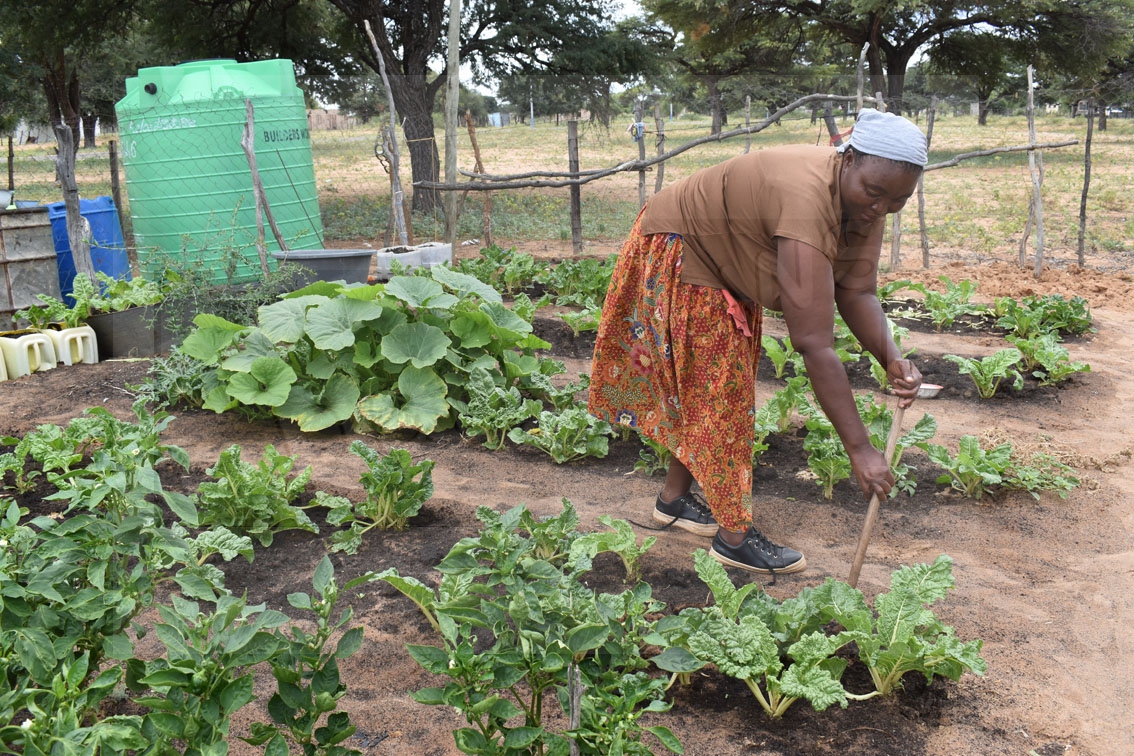
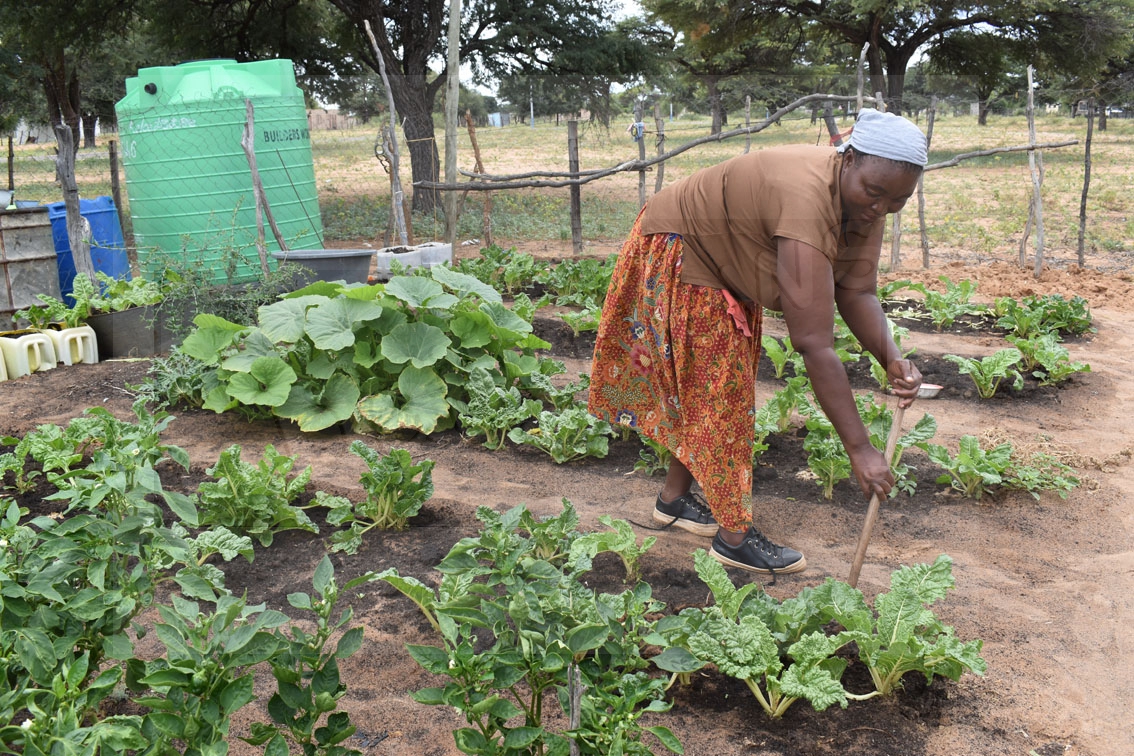
     A small backyard garden in Gapanyane Ward in Kang has grown into a dependable source of income for 52-year-old Ms Keloetetse Bothang, whose determination and passion for plants have helped her rebuild her life after years of ill health and financial hardship.

    What began in 2022 as a modest project to produce vegetables for home consumption has since evolved into a thriving horticultural enterprise supplying the local community and contributing to the school feeding programme.

    The rapid growth of the project has outstripped the capacity of her residential yard, prompting plans to relocate to a larger space to meet the rising demand for fresh produce.

    For Ms Bothang, backyard farming was born out of necessity but sustained by her deep love for nature.

    “I started with only a few beds of spinach, green pepper, onions and beetroot to feed my family. I had no capital, so I used the little money from my first sales to buy more seeds and gradually expanded,” she narrates to BOPA in an interview.

    Her turning point came at a time when she was struggling to make ends meet due to a prolonged illness that forced her to close her sewing business, which had been supported through the former Kgalagadi District Council’s poverty eradication initiative.

    An eye condition later made it impossible for her to continue with the business, leaving her without a stable source of income.

    After years of hardship, she turned to gardening, something she had always loved, as a way of rebuilding her life and providing for her children.

    “As production increased, neighbours began buying from me and the demand kept growing,” she said.

    Ms Bothang noted that, people are now more conscious about their health and wellness and many have reduced their consumption of meat, which has created a ready market for fresh vegetables,” she explained.

    She added that restrictions on the slaughter of cloven-hoofed animals following the outbreak of foot-and-mouth disease further boosted demand for her produce.

    Currently, Ms Bothang supplies about 90 bundles of vegetables to Mahutsane Primary School once a month under the school feeding programme. She hopes to increase production and eventually supply Kang Primary School with at least 155 bundles per month.

    “My plan is to expand production and reach more markets. Backyard farming has great potential and can change lives if taken seriously,” she said.

    She noted that, the income from the garden has significantly improved her family’s welfare, adding that, she is now able to pay her water bills, buy groceries, contribute to church activities and meet transport costs for her regular hospital visits, expenses which she previously struggled to afford.

    “I am thankful that I am now able to stand on my own and support my family again. This garden has given me a second chance in life,” she said.

    Her efforts have also attracted support from development partners. In recognition of her contribution to household food security and community nutrition, the Botswana Red Cross Society recently donated a JoJo water tank, treated poles and shade net, which have greatly enhanced her production capacity.

    Despite the progress, Ms Bothang admitted that the journey had not been without challenges and that she once considered giving up.

    “It has never been easy, but passion kept me going. Support from the community and non-governmental organisations also gave me the strength to continue,” she said.

    She encouraged aspiring entrepreneurs to venture into projects they are passionate about rather than following trends, emphasising that dedication and perseverance were key to success.

    “It is important to do what you love because passion will help you overcome difficulties. Every business has its challenges,” she advised.

    Ms Bothang also highlighted the growing role of small-scale horticulture in improving rural livelihoods, strengthening household food security and creating sustainable income-generating opportunities, particularly for women.

    She expressed concern that fewer people in her village were maintaining backyard gardens and called on community members to make use of available space to grow their own food and sustain their families.

    As she looks to the future, she hopes to secure a larger piece of land where she can scale up production, supply more institutions and create employment for others in her community.

    “This project has restored my dignity and given me hope for the future. I am grateful that I have found a way to stand on my own again,” she said with a smile

  • Human Error and Alcohol Fuel Road Fatalities

    Human Error and Alcohol Fuel Road Fatalities

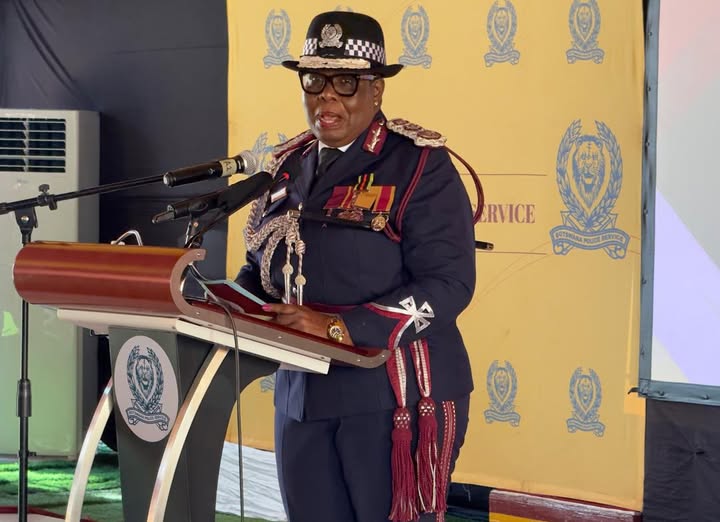
    A rise of five per cent in road traffic fatalities compared to the 2.6 per cent recorded in 2024 has become a growing concern, with young people accounting for a significant proportion of those losing their lives in crashes.

    Speaking during the 52nd Botswana Police Senior Officers Annual Conference this morning, Police Commissioner Dinah Marathe, said data showed that alcohol use contributed to the increase in number of road accidents. She further noted that investigations into most of the accidents pointed to human error as the primary cause, underscoring the need for behavioural change among road users.

    Ms Marathe called for a robust law enforcement, intensified road safety education, and stronger engagement with stakeholders to implement effective measures aimed at reducing accidents and saving lives.

    The conference, held at Botswana Police College in Otse, has brought together senior officers to reflect on policing strategies and public safety challenges.

  • Witchcraft Murder Appeal Borders on Death Penalty

    Witchcraft Murder Appeal Borders on Death Penalty

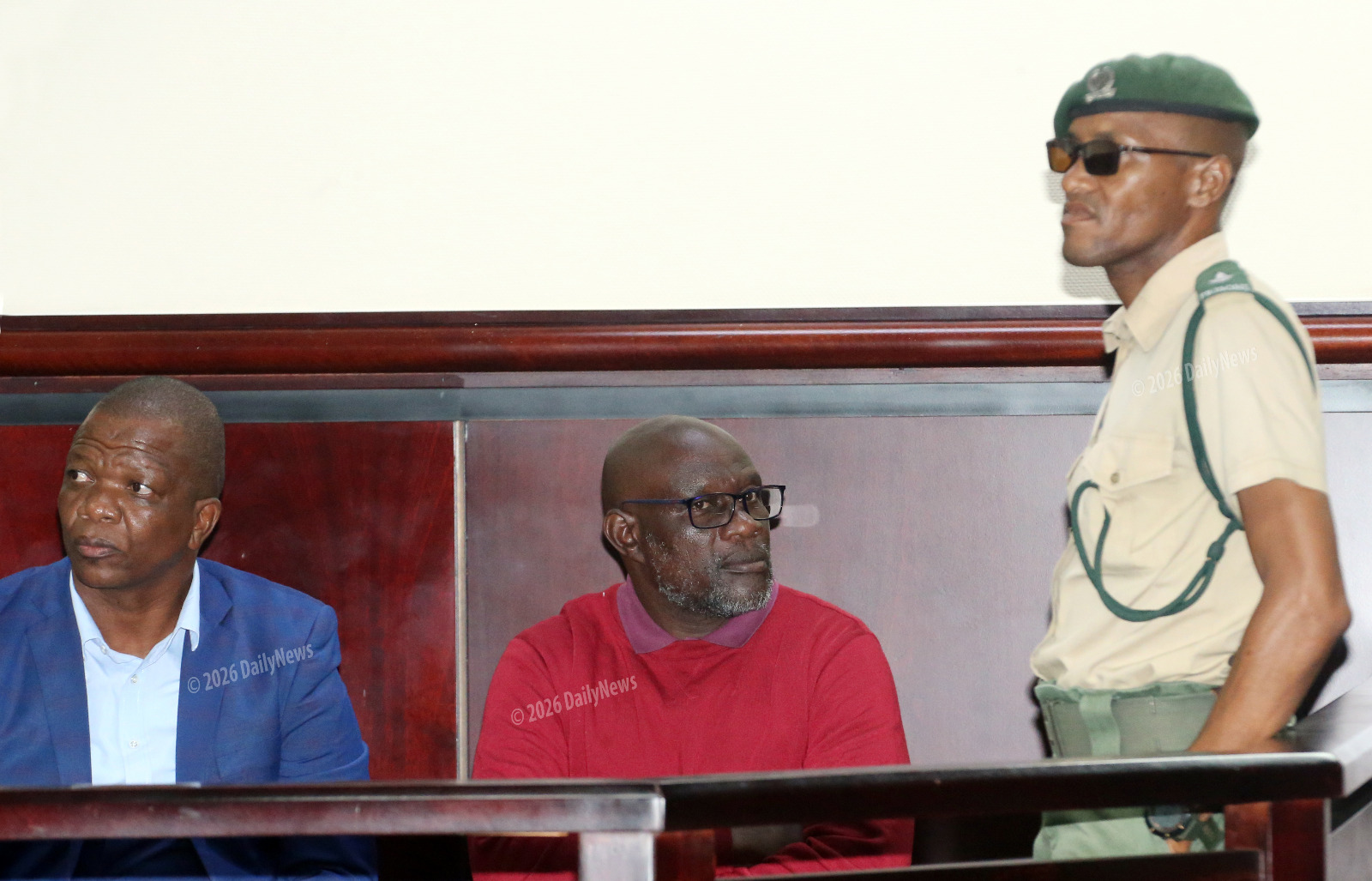
    A mistaken identity murder stemming from witchcraft claims has left Ernest Legwale and Hamadi Mkhuha fighting a 40-year imprisonment sentence at the Court of Appeal.

    Legwale and Mkhuha were sentenced by the High Court in 2024 for the murder of Thato Meswele on September 10, 2015 in Oodi. Meswele was the younger sister of Legwale’s wife, Dimpho. Legwale had allegedly hired Mkhuha and another person not before court to kill his wife and mother-in-law, believing that they were bewitching him. However, the hitmen mistakenly killed the young sister.

    “This is an extreme case by all standards, it involves money and cold-blooded murder,” Court of Appeal (CoA) Justice,Tshepo Motswagole said on Wednesday.

    “Your client is riding on someone’s belief in witchcraft,” Justice Motswagole added after listening to Mkhuha’s attorney, Letlhogonolo Makgane.

    Mr Makgane had claimed that his client’s sentence was unprecedented and without justification.

  • GCC and Swedish municipality partner to boost waste management

    GCC and Swedish municipality partner to boost waste management

    Gaborone City Council (GCC) has entered into a collaboration with the Swedish city of Västerås in a move aimed at improving waste management systems in the capital while also supporting humanitarian efforts through the Botswana Red Cross.

    The partnership, facilitated through the International Centre for Local Democracy (ICLD), seeks to introduce innovative waste management practices and strengthen community participation in environmental sustainability.

    The collaboration was officially marked by a charity event held at the Gaborone City Council Civic Centre, which was attended by senior council officials, ICLD representatives and delegates from the city of Västerås.

    Opening the proceedings, GCC Chief Environmental Health Officer Mr Patrick Oleseng highlighted stark differences in waste management between Botswana and Sweden, noting that approximately 98 per cent of waste in Botswana’s landfills was recyclable, compared to only about 10 per cent in Sweden.

    Mr Oleseng said the alarming statistic underscored the need for the partnership, adding that community involvement played a major role in Sweden’s success.

    He further said in Sweden, waste management was not only a municipal responsibility but also a community-driven effort, including financial participation, therefore urging Batswana to support waste management initiatives. 

    He expressed hope that with collective effort, landfill waste could be reduced from 98 per cent to 50 per cent by the end of the year.

    He also said the involvement of ICLD would not only improve waste management but also help preserve and reinvigorate Botswana’s natural environment, which the country is well known for.

    Mr Oleseng also acknowledged donations made by the city of Västerås to the Botswana Red Cross.

    Deputy Town  Clerk Ms Mosidi Batsalelwang , emphasised the importance of educating both current and future generations on the consequences of improper waste disposal. 

    She reiterated the need for effective waste management schemes and highlighted the role of community awareness in achieving long-term environmental sustainability. 

    She also stressed the importance of donations, noting that many vulnerable people could benefit from items such as warm clothing and blankets.

    Ms Batalelwang also said there were people who could benefit greatly from what others could afford to give away and encouraged members of the public to donate. 

    Botswana Red Cross Disaster Management Officer, Mr Mompoloki Nawa, expressed gratitude on behalf of the organisation for the donations. He said the contributions would go a long way in assisting disaster-affected communities.

    He further revealed that the donations would also be used to support victims of recent natural disasters in Mozambique, expressing sympathy for those affected and appreciation to all collaborating partners for their continued support.

  • Botswana to attend SIREXE second edition

    Botswana to attend SIREXE second edition

    Botswana will attend  second edition of the International Exhibition of Extractive and Energy Resources (SIREXE), scheduled for later this year in Abidjan as a country of honour.

    SIREXE is a biennial event focusing on mining, oil and energy, providing a platform for African and international partnerships. The two countries are considering signing a Memorandum of Understanding with clear deliverables to strengthen cooperation

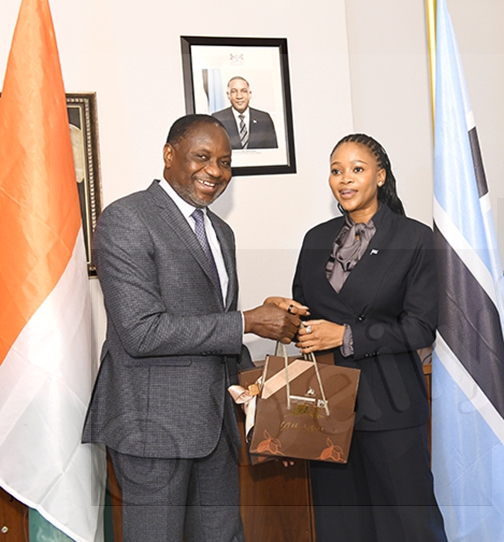
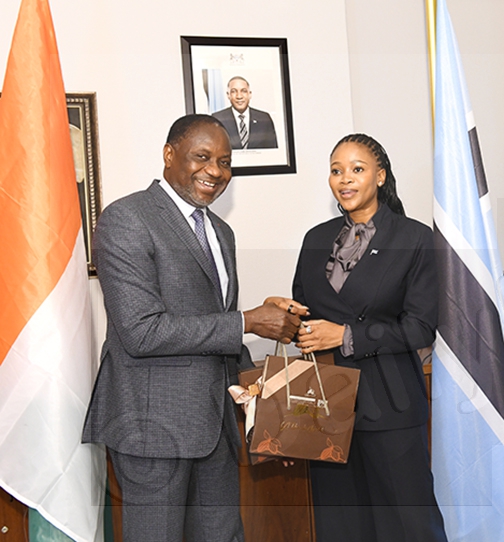
    This was confirmed by Minister of Minerals and Energy, Ms Bogolo Kenewendo durin official talks with  Côte d’Ivoire Minister of Mines, Petroleum and Energy, Mr Mamadou Sangafowa-Coulibaly in Gaborone on Monday. 

    The meeting focused on strengthening bilateral relations between Botswana and Côte d’Ivoire, as well as cooperation and knowledge-sharing in the mining, agriculture and energy sectors. 

    The two countries with Botswana, known for its expertise in diamond mining, and Côte d’Ivoire, whose economy is largely driven by cocoa production, aim to diversify their economies by leveraging each other’s strengths and experiences. 

    “It is not just about diamonds and cocoa; we are both looking to diversify, and our diversification is based on shared experiences,” Ms Kenewendo said in an interview. 

    She noted that Botswana’s experience in diamond mining, mining governance, beneficiation, mineral development and negotiations could complement Côte d’Ivoire’s strong agricultural base, particularly in cocoa production. 

    “We do hope that beyond the mineral space in Botswana, we can learn something from the agricultural space, which is the mainstay of Côte d’Ivoire,” she told the media. 

    Looking ahead, Ms Kenewendo expressed optimism about opportunities for collaboration in capacity building, mining exploration and development, that encouraged private sector engagement between the two countries. 

    For his part, Mr Sangafowa-Coulibaly welcomed Botswana’s engagement and praised efforts to deepen friendship between the two nations. He said Côte d’Ivoire was keen to host Botswana as country of honour at this year’s SIREXE and stressed the importance of expanding cooperation in the minerals and energy sectors. 

    Mr Sangafowa-Coulibaly added that his country was interested in benchmarking Botswana’s diversification initiatives, particularly in mining, as it sought to expand its own sector.  He said Côte d’Ivoire viewed Botswana’s experience in mining governance, beneficiation and mineral development as a model of good practice.