Category: Business

  • Botswana: Back to square one on fiscal discipline

    Botswana: Back to square one on fiscal discipline

    The 159-year-old debating chamber of the Cambridge Union Society has played host to some of history’s most consequential leaders. From British Prime Ministers Winston Churchill and Margaret Thatcher to US Presidents Theodore Roosevelt and Ronald Reagan, the wood-panelled theatre has resounded to orators of world renown. 

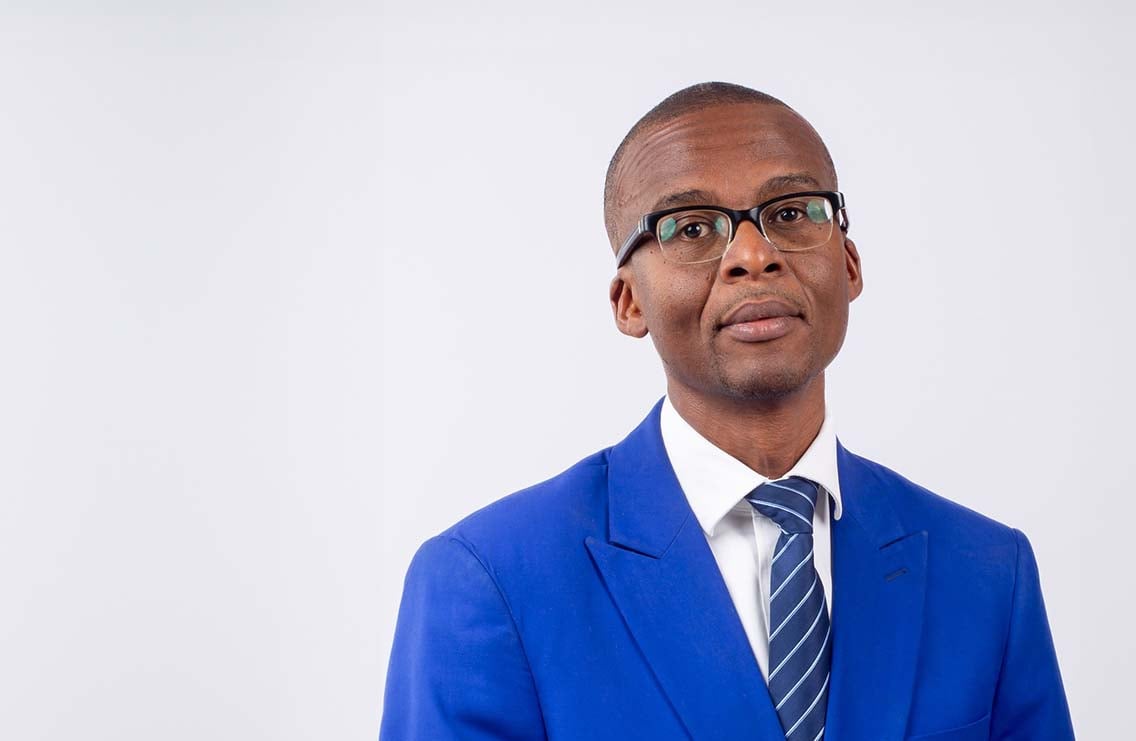
    A year ago, Botswana’s Vice-President and Finance Minister Ndaba Gaolathe might not have expected to find himself addressing the famous venue at the annual conference of the African Society of Cambridge University. But since then, there have been major changes in Botswana’s governing structure.

    Until November, the ruling Botswana Democratic Party had reigned supreme since the dawn of independence in 1966. But following President Duma Boko’s stunning victory – propelled by his pledge to create 500,000 new jobs in five years – his deputy Gaolathe found himself launched into two senior offices, and onto the world stage. 

    Gaolathe looks at home during our conversation sitting on the Society’s famous scarlet benches, under the watchful eyes of portraits of past Society presidents. But taking in the historic surroundings and basking in electoral success is far from his priority. 

    The honeymoon period which attended the election of Boko’s Umbrella for Democratic Change is quickly drawing to a close. Just days after Boko’s shock election win in November, President Donald Trump swept back into power in the United States – and set the world economy on a path of trade war, tariffs and turmoil. 

    Botswana, the world’s second-largest producer of diamonds by volume, finds itself exposed to an underperforming global market for the stones, Trump’s caprice, and the very real threat of 37% tariffs on its exports to the US. 

    The IMF expects the economy to shrink by 0.4% this year – hardly encouraging grounds for the promised employment revival. Given such a discouraging start, can Gaolathe build the economy that Boko promised his voters? 

    While cognisant of the worsening global economy, the Finance Minister insists that his plans to impose fiscal discipline, diversify the economy, reinforce policymaking credibility and invest in transformative infrastructure remain unchanged. 

    “We have to be optimistic because, as I continue to say, we’ve been blessed with all the ingredients we need to build our country. The first of our priorities is to halt the haemorrhaging of our fiscus [treasury], because even though Botswana over the last few decades has outperformed everyone else on the African continent, we need to accept that there has been a period of lapse which has taken place, arguably, over the last 12 years or so. 

    “The fiscal discipline we used to have has broken down. In the past it was accepted that we don’t allow politics to interfere with the work of the professionals that manage the economy, particularly the Finance Ministry; we contaminated that culture; we allowed politics to make the economic decisions.

    “We threw away priorities and the emphasis on investing for the future – such as in infrastructure – in favour of immediate consumption. We allowed corruption to set in. So our first priority is to halt all this, and I believe that given that we have been there [in office] a few months, we’ve already done well on that front. 

    “You find we’re allowing politics to a large extent not to decide what makes sense in economics. We are galvanising ourselves around priorities, managing properly again, building capacity and our capabilities around properly managing infrastructure, doing things on time.”

    The unemployment challenge 

    It’s a vision of fiscal conservatism that does not often find favour with voters in Southern Africa, but Gaolathe believes it will chime with investors and help to achieve the hugely ambitious jobs goal that Botswana’s citizens demand the new administration meet. 

    While the country has long been a standout economic performer in Africa, largely due to its judicious management of diamond revenues – it was ranked sixth on the continent in 2024 with a GDP per capita at purchasing power parity of $19,039, according to the IMF – its people have long suffered from elevated unemployment. 

    It was an unemployment rate of over 23% – perhaps 11% higher among the country’s youth – that provoked the unprecedented electoral revolt against the BDP. In many voters’ eyes the ruling party had grown complacent after six decades in office.

    The softly-spoken son of Baledzi Gaolathe, the former Finance Minister under Presidents Festus Mogae and Ian Khama, pulls few punches in assessing the past. He argues that the governing elite and civil service have proven themselves unequal to the challenges of running a modern economy: training has lagged; knowledge of cutting-edge sectors is weak; and the country has produced too few engineers, ICT experts and tradespeople, he says. 

    “We don’t have the capabilities and capacity to do what the modern world requires. We don’t have the capacity to structure the public-private partnerships that we need to build mega-
    infrastructure projects. We don’t have the capabilities to leverage and bring  the best out of AI and tech. 

    “We need to build it. We need to retrain and revitalise the government civil service. We’ve never experienced the type of unemployment levels we have now, particularly among young people and educated young people. The education system has been purely geared to creating social sciences graduates. The unemployed are highly educated. This means we have a real opportunity to upskill rapidly to AI, tech, and indeed there are steps we’re taking and partnerships we’re putting in place.”

    Keeping the state out of business

    Gaolathe argues that the dead hand of the state has stifled Botswana’s economic potential, including through an extensive network of state-owned enterprises (SOEs).

    “The second priority is that we need to modernise, revitalise and restructure our state-owned enterprises. In a small economy like that of Botswana, that has maybe 50 SOEs across every sector, from water and power to telecoms and financial services, they are an important part of the economy. 

    “If it’s not efficient, if its sub-
    optimised, if governance is not strong, if you don’t have enough competent CEOs, that affects the economy in a big way,” he says. 

    The VP says the government is looking to proceed with plans to unbundle power generation and transmission while allowing the private sector to enter the market. 

    In agriculture, Gaolathe says the country’s huge ranching economy – it boasts up to 2.8m head of cattle – is to be freed from the strictures of the state-run Botswana Meat Commission and its monopoly role in beef exports. That process began under the last government and will be completed. “We’re allowing different players into different parts of the food value chain. In financial services we are much more open to partnerships to bring in technical expertise and capital. 

    “All of these SOEs are very much scalable, they can become continental players… We have not really had a forecast on sectors that have the highest prospects of success – it’s time we did. In the past, government poured money into SMEs [small and medium enterprises] because it was popular. Now we need to support commercialised, high-productivity agriculture.” 

    The idea of this diversification drive, he says, is not that diamonds will play a smaller role in the economy – but that “everything else will play a bigger role than it used to”.

    In a straitened fiscal climate, one of Gaolathe’s major premises is that much can be achieved with self-funding public-private partnerships. 

    In particular, he wants to push forward with a string of what he refers to as “mega-infrastructure” projects – including massively boosting road and railway connectivity to the major urban centres in neighbouring Southern African countries – that will one day pay for themselves. Still, he adds ruefully, “we will always need borrowing” to optimise investments. 

    On 16 May the African Development Bank confirmed it would loan $304m to “cushion Botswana from the financial shock caused by declining diamond revenues”.
  • Okavango Sub-District brings the Multidimensional Poverty index to life

    Okavango Sub-District brings the Multidimensional Poverty index to life

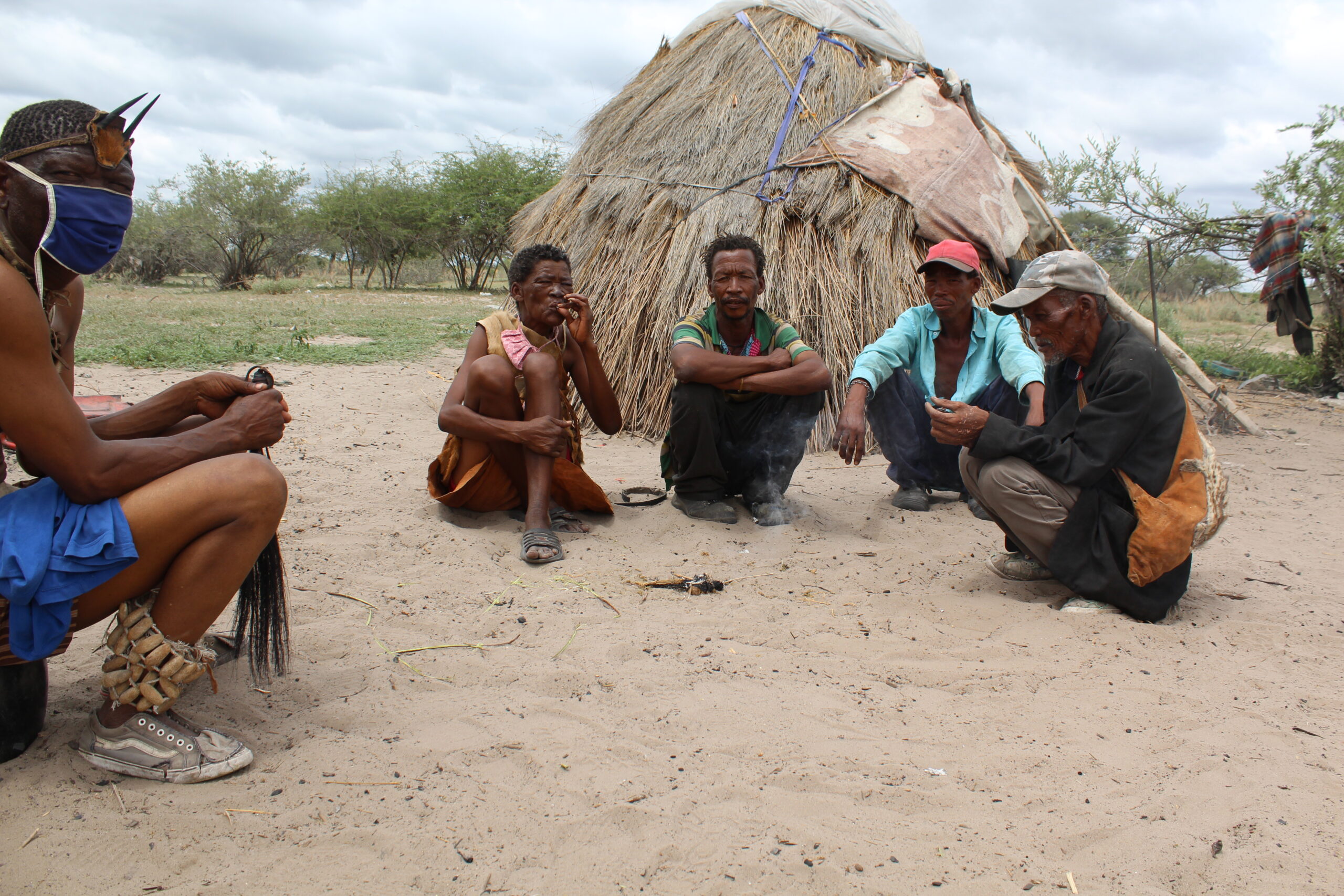
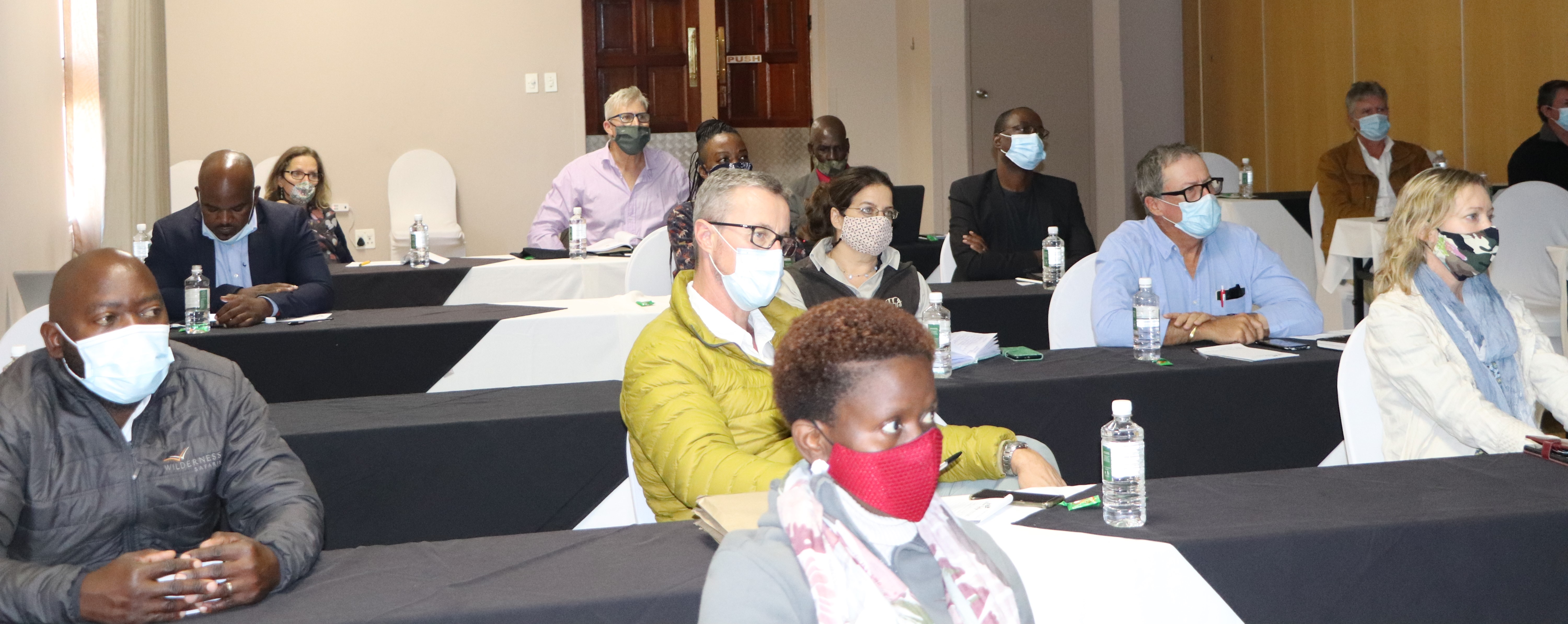
    The Poverty Eradication Coordination Unit (PECU) of the Office of the President together with the Department of Community Development of the Ministry of Local Government and Rural Development met with key stakeholders in Gumare and Maun 8th and 10th June to share the results of the recent poverty profiling exercise in the sub-district. The presentation and discussion of the results of the profiling exercise will inform the the completion of the profiling report, which will be the first of its kind in Botswana. The key stakeholders were drawn from government, private sector, non-governmental and civil society organisations.

    In his welcome remarks and stating of the objectives of the meetings, the National Coordinator of the Poverty Eradication Programme Mr. Montshiwa Montshiwa said that the profiling of poverty in the Okavango sub-district is the first in a series of districts and sub-districts to be covered in the months to come. He commended the participants for their contributions to the profiling exercise, which he said went smoothly despite the challenges of the tough terrain of the sub-district and limited resources. He said that as the first sub-district to be profiled, their lessons will be used in other districts as the profiling exercise is rolled out countrywide. Okavango was chosen as the first sub-district in the exercise due to the high levels of poverty and need for urgent and comprehensive attention as noted by His Excellency the President of Botswana.

    The profiling of the Okavango sub-district and the ones that will follow adopted the multi-dimensional approach to measuring poverty as opposed to the monetary based approach that is commonly used in national statistics. This is borne out of Botswana’s recent decision to adopt a multi-dimensional approach to poverty. The multidimensional poverty index (MPI) is an international measure of acute multidimensional poverty covering over 100 countries across the globe, capturing not only monetary poverty measures, but deprivations in health, education and living standards that a person faces simultaneously.  Since 2019, UNDP Botswana has collaborated with the Oxford Poverty and Human Development Initiative (OPHI) to provide technical support throughout the steps to ensure the effective realisation of the adoption of the global multidimensional approach to poverty. In 2020, Botswana was included in the global MPI measure for the first time.

    Alongside the global measure, Botswana has developed a national Multidimensional Poverty Index (MPI), which is the basis on which the profiling of poverty was done. The policy shift from the monetary based approach to poverty was borne out of the desire to be comprehensive and targeted as well as leave no one behind in addressing poverty in all its dimensions and manifestations. The MPI provides the means to understand poverty in all the dimensions that define one’s life, enabling policy makers to allocate resources and design policies and programmes more effectively.

    The key findings from the profiling exercise show that the Okavango sub-district is disproportionately poverty-stricken, with monetary poverty level of 37.7% and multidimensional poverty level of 34.6% against the national levels of 16.3% and 17.2% respectively. At 68%, the sub-district has a significantly high number of households that are headed by females. The unemployment level is also very high, with 8,142 households heads unemployed out of a total of 10,373 captured in the sub-district’s data system. Further, the level of education attainment is extremely low with only 10.5% of the households heads having attained at least a General Certificate of Secondary Education (BGCSE). Access to sanitation services and the level of use of electricity were also very low, with 66% of the households having no toilet facilities and only 27% of the households using electricity as a source of lighting. On average, the households own very few assets, hence, coupled with the high level of unemployment, the sub-district’s sources of livelihood are highly limited. For instance, the average number of domestic animals owned by households are 8 for cattle and goats, 4 for donkeys and pigs, 10 for chickens and 2 for horses.  These figures of ownership of domestic animals are far below the thresholds for a household to be considered not poor.

    The profiling has identified prominent types of poverty in the sub-district, being, societal, income, shelter and sanitation, and food poverty. The key poverty drivers have been found to be lack of employment opportunities; non-availability of basic infrastructure and limited market access which make it challenging for households to pursue profitable economic activities; uncoordinated policies and programmes and their ineffective targeting; as well as human/wildlife conflicts given that the sub-district is in the geographical area where there are large numbers of wildlife species. These very specific findings provide the opportunity to formulate relevant policy responses to address poverty in the sub-district, which underscores the usefulness of the multidimensional approach to measuring and understanding poverty.

    Beyond the profiling exercise, the profiling report recommends targeted and sustainable policy and programme interventions to address the factors that drive poverty in the sub-district. For example, the report recommends policy interventions that, alongside the improvement of the physical infrastructure should be geared towards improving the level of education, which in the medium to long term should be expected to improve the level of uptake of profitable economic opportunities, including the poverty eradication and economic empowerment programmes and projects that are rolled out by different government departments. The recommendation to improve the employment opportunities proposes the optimisation of sustainable natural resource management that are in the sub-district such as tourism-oriented income generating activities and the development of the value chains within the tourism and natural resource sectors.

    Indeed, the meetings provided a great opportunity to bring together the key stakeholders to discuss the poverty issues in the sub-district. The stakeholders reflected on the necessity to adopt coordinated approaches and partnerships in policy formulation and implementation of interventions to address poverty. The government departments and community leadership highlighted the need to work closely together in policy and programme formulation and implementation to ensure optimal use of the scarce public resources that are at their exposal.

    The private sector, NGOs and CBOs representing different sectors ranging from women and youth empowerment, education, natural resources conservation, and fight against gender-based violence, among others. They were very appreciative of the poverty profiling report and its recommendations. They expressed that the findings of the report will assist them tremendously in the development of their strategies and programmes to effectively support the communities to address poverty. There was particular emphasis on the importance of partnerships between these entities and the government and the communities to enable targeted and effective response to poverty in the sub-district.

    Overall, the profiling report and its presentation brought about useful lessons about the implementation of the national MPI. These lessons will be of great value as the government embarks on rolling out the other pilot profiling exercises in other districts and sub-districts. For UNDP, the experiences and lessons are extremely informative to the design of programmes in other areas of the country across an array of issues, including for environment and climate change and women and youth empowerment. As UNDP continues its support to the government in the roll-out of the national MPI, it will important to bring the lessons learned from Botswana to the  global Multidimensional Poverty Peer Network (MPPN) to continuously improve the approach and ways in which governments can bring these statistics to life as they work to improve the lives of their citizens.