Category: Daily News

  • Ikageng Programme Rolls Out in April

    Ikageng Programme Rolls Out in April

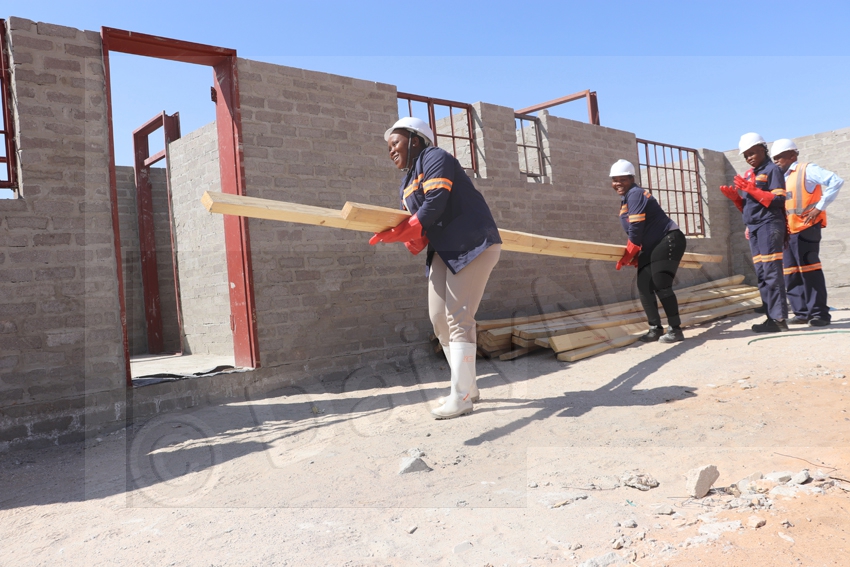
    Government has approved the transformation of the Ipelegeng Programme into Ikageng Public Works Programme (IPWP).

    Under the newly structured programme, there will be a transition from a welfare-based relief initiative to a modern, structured, skills-driven and productivity-focused national public works programme, with wages revised to P2 500, to be paid under a sustainable performance-based remuneration system.

    According to a press release from Ministry of Local Government and Traditional Affairs, the redesigned programme marks a shift in the country’s approach to community development, social protection and inclusive economic development.

    “The transformation introduces key reforms outlined in the Cabinet-approved Transformation Strategy Document. Central among these is the adoption of a performance-based model, replacing the traditional time-based system with a results-oriented framework,” the release says. The release states that the programme aims to enable beneficiaries to graduate into sustainable livelihoods by reducing long-term dependency on government relief through skills development, enterprise support and practical on-site training.

    In the new programme, beneficiaries will operate under performance contracts that link remuneration to measurable outputs, productivity and quality standards, thereby supporting government’s objective of improving wages sustainably while enhancing value for public expenditure.

    Beneficiaries will access technical and vocational education and training aligned with labour market needs and the national TVET policy.

    “The skills component, piloted in 2022, will be expanded through partnerships with vocational institutions, brigades, the private sector and other stakeholders to support employment, self-employment and enterprise development,” the release says.

    The programme, the release says, will also prioritise community-led project identification to ensure alignment with local development needs as beneficiaries will participate in productive sectors such as agriculture (crop and animal production, aquaculture and apiculture), tourism through cultural and heritage development, manufacturing, environmental conservation and other community-based economic activities that stimulate local economies.

    Additionally, government has approved a strengthened institutional and governance framework to improve oversight, supervision and delivery efficiency.

    According to the release, implementation will be coordinated by local authorities, supported by enhanced monitoring tools, clear performance targets, digital platforms and strategic partnerships with the private sector and civil society.

    Programme implementation will commence with virtual engagement of district structures, dissemination of the approved programme document, and presentation of draft implementation guidelines to stakeholders and beneficiaries, scheduled for January 26-27.
  • Highs and Lows in Botswana Politics

    Highs and Lows in Botswana Politics

    Like any other year, 2025 unfolded as a tapestry of highs and lows, a period marked by both celebration and solemnity. Among the events that captured national attention were Parliament’s adoption of National Development Plan 12 (NDP12), the launch of the Botswana Economic Transformation Programme (BTEP), the untimely passing of Kgalagadi South MP and Minister of Lands and Agriculture, Dr Micus Chimbombi, as well as the elective congresses of political parties and the by-elections. Each of these moments, whether joyous or tragic, added a distinct thread to the country’s evolving political landscape.
    As 2025 draws to a close, the year leaves behind a record of both challenge and promises. The nation has witnessed the birth of new policies and the shaping of institutions all contributing to a collective journey toward a Botswana where fairness, human rights and accountability are not merely ideals, but practices embedded at the heart of governance.
     
    TRANSITIONAL NATIONAL DEVELOPMENT PLAN AND NATIONAL DEVELOPMENT PLAN 12

    Following the change of baton to the Umbrella for Democratic Change-led government came the extension of the implementation of the Transitional National Development Plan (TNDP) until October 2025, a move intended to pave the way for NDP12 and ensure alignment with the parliamentary cycle.
    This marked a significant departure from previous planning approaches, as NDP12 was deliberately aligned not only with the cycle of Parliament but also with the manifesto commitments and electoral promises of the ruling party. According to UDC strategist Dr Patrick Molutsi, the realignment was designed to enhance accountability and ensure that development planning is closely tied to democratic mandates.
    Presented in October, NDP12 stands as a central pillar of government’s agenda. The plan proposes total development expenditure of P388 billion over a five-year period (2025/26 to 2029/30), with more than 90 per cent of the funding expected to come from government coffers.

    Botswana Economic Transformation Programme (BTEP)

     This year also marked the introduction of a bold and ambitious government initiative, the Botswana Economic Transformation Programme (BTEP), aimed at diversifying the economy beyond its long-standing reliance on diamonds and unlocking sustainable job creation.
    To date, 200 projects have been selected from an impressive pool of 6 925 proposals submitted by a diverse range of contributors, including citizens, innovators, entrepreneurs, and international partners eager to participate in Botswana’s economic transformation.
    Central to BTEP’s design is the use of specialised problem-solving laboratories, which apply targeted methodologies to fast-track high-impact projects and translate ideas into tangible economic outcomes.
     
    CONSTITUTIONAL COURT

    Another defining moment of the year was the tabling in Parliament of the Bill to establish a Constitutional Court, a development that sparked widespread public interest and debate among Batswana from all walks of life. Political parties across the aisle expressed mixed reactions, with some opposition figures arguing that the ruling party sought to unilaterally determine the process of establishing the Constitutional Court, sidelining other stakeholders, particularly the opposition.
    Opposition Members of Parliament contended that consultations on the Bill were inadequate. However, during the parliamentary debate, President Duma Boko underscored that the establishment of such a court would strengthen democracy by ensuring that all institutions operate within the confines of the Constitution. Despite these objections, Parliament voted in favour of passing the Bill through the third reading, which will now require a two thirds majority vote within three months’ time to become law.
     
    PRESIDENT ON GLOBAL STAGES

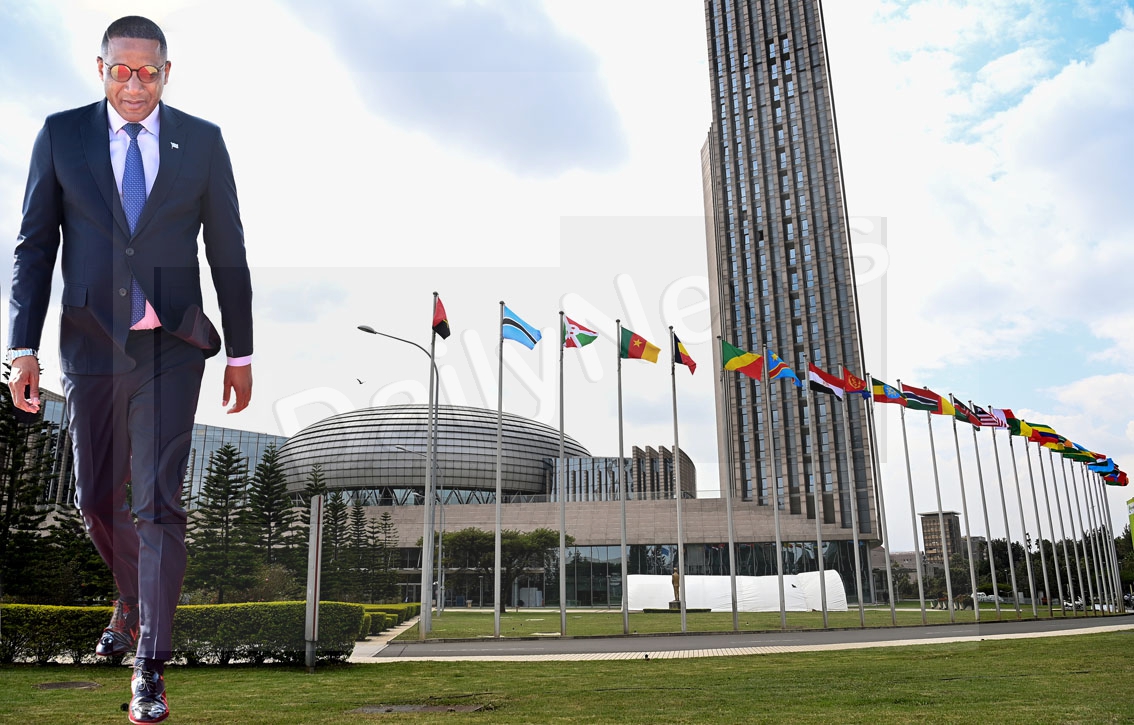
    In his debut appearance and maiden address at the African Union (AU) in February, President Boko shared the story of Botswana’s peaceful democratic transition of power after nearly six decades of rule by the Botswana Democratic Party. He articulated Botswana’s vision and its role in Africa’s industrial and trade expansion, aligning the country’s aspirations with the AU’s Agenda 2063 for sustainable development.
    At the United Nations General Assembly in September, during his inaugural address, President Boko was forthright in criticising what he described as the United Nations’ indifferent treatment of Africa and its failure to adequately heed the continent’s voice. He argued that it was time for the five permanent members of the United Nations Security Council, China, France, Russia, Britain and the United States of America, to honour their commitment to agree on a permanent seat for Africa, the only continent not represented in the Council’s 80-year history.
     
    Political Parties’ elective congresses

    It was a political roller-coaster year for party politics in Botswana, marked by intense jockeying for senior positions and the ushering in of new leaders and office bearers. For some, the moment offered an opportunity to recalibrate policy direction or depart from long-standing alliances. For others, it became a chance to consolidate influence and reward factional loyalists. Against the backdrop of the historic 2024 General Elections, major political parties convened elective congresses and conferences in 2025 to reconstitute their leadership structures.
    Following its electoral defeat, BDP held an elective congress that ushered in a new central committee tasked with rebuilding the party. The leadership race attracted a competitive field, including former vice president Slumber Tsogwane, former minister Nonofo Molefhi, former ambassador Dorcas Makgatho, and former minister Mpho Balopi, all vying for various positions on the central committee. The contest culminated in Mr Balopi’s election as the new party president, signalling a generational and strategic shift within the BDP.
    The Botswana National Front (BNF) also held its elective congress, coinciding with the party’s 60th anniversary celebrations. While members retained President Boko as party president, Moeti Mohwasa emerged as the new vice president, reinforcing continuity at the top while introducing fresh leadership dynamics.
    In contrast, the Botswana Patriotic Front was thrust into the spotlight as one of the most disarrayed political parties of 2025. For the first time, its elective congress was marred by internal contentions and overt jostling for power. Among the year’s more momentous political developments were the party’s deepening internal challenges, which culminated with some members getting expelled.
    On a sombre note, the country mourned the passing of Chimbombi, whose death touched the hearts of Batswana across the social and political spectrum, given his long and distinguished record as a public servant.
    Following his death, the UDC retained its grip on the Kgalagadi South constituency through a by-election that ushered in a new representative, Tokyo Modise, who had previously served as an administration officer to the late MP. The UDC further surprised political observers by clinching a council by-election victory in Moreomaoto, a ward previously held under the BDP ticket. 

  • Botswana Conservation Efforts Unmatched

    Botswana Conservation Efforts Unmatched

    Botswana is committed to adopt a sustainable pathway in managing its natural resources and contribute to economic growth, shared prosperity and the well-being of the people.

    Officiating at the African Union Commission (AUC) regional workshop in Maun recently, Minister of Environment and Tourism, Mr Wynter Mmolotsi said Botswana continued to ensure effective governance and legislative instruments and maintained high standards in the sustainable management of biodiversity rich ecosystems such as the Okavango Delta, the Makgadikgadi Wetlands system and in the Chobe area.

    He pointed out that Botswana also invested in protecting and rehabilitating the range lands, as a cornerstone of the agricultural sector, an important ecosystem in its own right, a habitat for biodiversity, but also as a carbon sink.

    “I am particularly proud to state that about 40 per cent of Botswana’s land is under protected area status. Furthermore, we recently enacted the Community-Based Natural Resource Management (CBNRM) legislation to strengthen the CBNRM Policy of 2007.

    “We are also advancing integrated implementation of our wildlife, forestry, climate change, and agriculture policies, recognising their interdependence and the need for effective coordination, cooperation, and strong institutional frameworks, he said.

    Mr Mmolotsi also stated that the country had been recognised for its conservation leadership, yet they continued to learn and evolve, drawing lessons from their own experiences and those of others.

    In addition, Mr Mmolotsi said Botswana was party to three Trans-boundary Conservation Areas, through which notable achievements were made such as habitat regeneration, wildlife recovery, improved community livelihoods, enhanced law enforcement and strengthened policy harmonisation, among others.

    Mr Mmolotsi further said adopting a Transfrontier Conservation Area model was not an end as its success requires continuous investment in policy support, financial resources, capacity building, stakeholder engagement and holistic management.

    The minister thanked partners for convening the African Union Commission (AUC) regional workshop in Botswana as a follow-up to the First Africa Biodiversity Summit, which he said culminated in the African Leaders’ Gaborone Declaration on Biodiversity.

    He described the declaration as a call to action for all Africans citing that it offered a clear articulation of the continent’s priorities on biodiversity.

    He urged all to promote cross-sectoral partnerships and cultivate innovative approaches and nature-positive investments among governments, civil society organisations and the private sector.

    He said such efforts were essential for accelerating the transition toward sustainable, inclusive economies while conserving biodiversity and enhancing ecosystem resilience in alignment with the Gaborone Declaration for Sustainability in Africa.

    He said the envisaged regional project proposal would deliver tangible results as it has already done in the Southern African.

    He was also hopeful that the outcomes of the workshop would lay the foundation for a strong regional framework, one that translated shared ambition into coordinated action across borders and charted a path toward a resilient, bio-diverse and prosperous Africa where communities and ecosystems thrived together. 

  • Drugs Availability Remains Challenge in Francistown

    Drugs Availability Remains Challenge in Francistown

    Drugs availability in the district remains a challenge in Francistown.
    Addressing the session of Francistown City Council this week, Mayor Mr Gaone Majere said the average availability of vital drugs for October 2025 were recorded at 73 per cent, with essential drugs at 69 per cent while necessary drugs stood at eight per cent.
    As for non-drugs, he said stood at 86 per cent adding that overall, the district’s average drug availability stood at 77 per cent, falling short of the 97 per cent target.
    Furthermore, Mr Majere shared that as of December 1, 2025, the availability of Antiretrovirals (ARVs) was at 73 per cent adding that Anti-Retroviral Therapy services were provided at 15 out of the 17 facilities.
    He explained that the Primary Health Care (PHC) continues to adopt micro-procurement methods for acquiring drugs and non-drugs while awaiting supplies from Central Medical Stores.
    He therefore informed councilors that Francistown City Council assumed responsibility for Primary Health Care in April 2025, a process that was generally seamless.
    He said that currently, the Primary Health Care Department was operating with 16 doctors covering 17 clinics within the city, of which four clinics were providing 24 hour service;  Area W Clinic covered by five doctors on shifts, Donga Clinic covered by three doctors on-call.
    However, he said Jubilee and Gerald Clinics were without a resident doctor, but covered on a rotational basis.
    In addition, Mr Majere said due to shortage of personnel, some clinics were not covered by doctors adding that some clinics were in bad state.
    Such clinics, he said included Gerald Clinic which its maternity wing has structural defects posing a danger to both staff and clients, resulting in management taking the decision to relocate  maternity services to Donga clinic to give way for maintenance.
    Furthermore, the mayor explained that a number of tuberculosis patients were facing Multi Drug resistance.
    To this end, he said there were nine such patients who received support in the form of food rations and were monitored through smear microscopy procedures.
    He also said the hospital recently marked the inauguration of newly updated paediatric theatre, courtesy of Kids Operating Room (KidsOR) from Britain.
    He said the theatre was the first space in the hospital dedicated solely to surgical procedures for paediatric patients.
    “We express our heartfelt gratitude to Kids OR for their outstanding initiative. This facility is not just a room with equipment, it is a critical infrastructure for a healthier, more inclusive future for our children,” said Mr Majere.
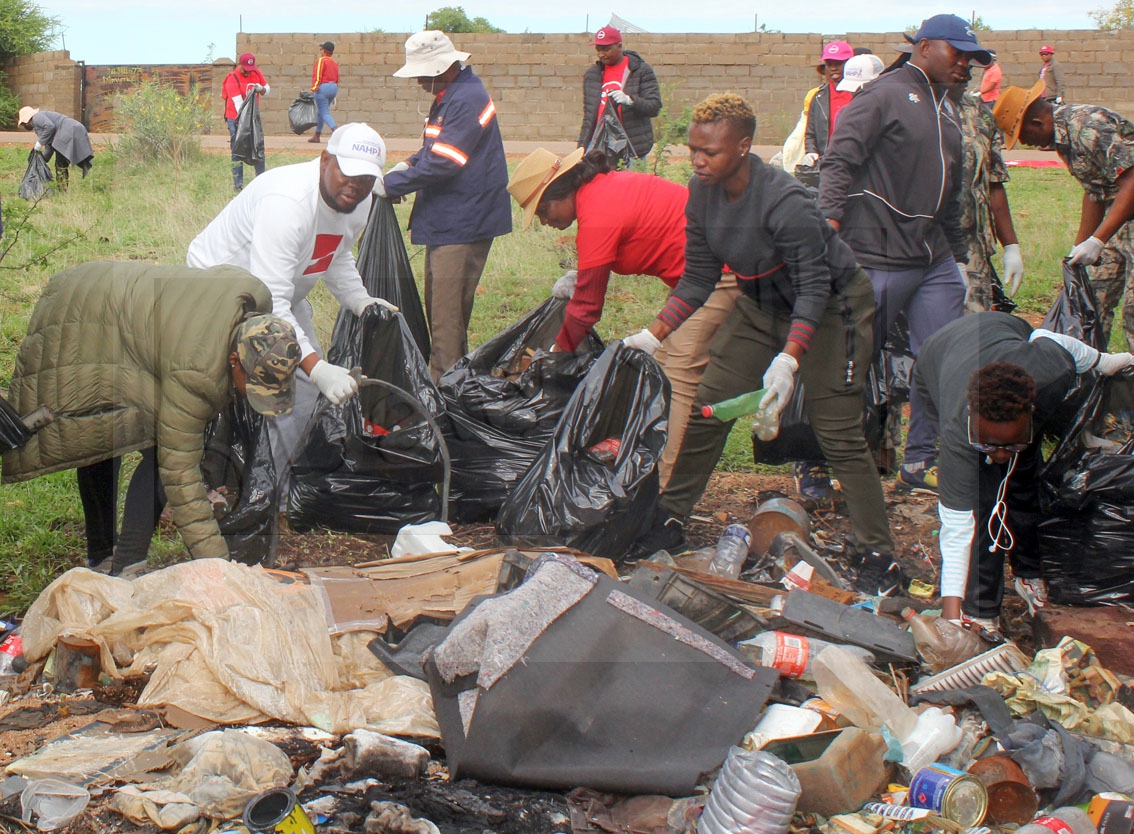
    The mayor also informed Councilors about the President’s National Clean-Up Campaign dedicated for every second Saturday of each month.
    He said the community and leadership-led initiative emphasised the responsibility of every community member, including businesses and institutions, to maintain cleanliness in their surroundings.
    “In response to this national call, the district leadership, along with all stakeholders, launched the initiative on December 12, 2025 to fully mobilise the communities of Francistown,” he said. 

  • Ministry Unveils Vision for Indigenous Knowledge

    Ministry Unveils Vision for Indigenous Knowledge

    Government has introduced a draft Indigenous Knowledge Systems (IKS) policy for public consideration and endorsement signaling, commitment to safeguarding a vital aspect of national heritage.
    The draft policy aims to embed IKS fully into sustainable development planning and key features include integrating IKS into the national education system, preserving cultural diversity, and creating an enabling environment for its development and transformation.
    Speaking at a consultative meeting in Gaborone on Tuesday, deputy permanent secretary for Communications and Innovation, Ms Lesego Thamae called on stakeholders to provide comprehensive input to help shape the direction of IKS development.
    She stressed that collaborative effort was essential to ensure the policy remained inclusive, relevant and responsive to the needs of the people noting that the current momentum for economic transformation presented a strategic opportunity to integrate indigenous knowledge into broader national development frameworks.
    She also pointed out that the recent approval of two key blueprints, the National Development Plan and the Botswana Economic Transformation Plan, aimed to diversify the economy, foster social development, and enhance safety and security.
    Within this context, Ms Thamae explained that the IKS was recognised as a vital resource capable of supporting industry growth, social cohesion, and good governance, particularly in rural communities.
    She further elaborated that the ministry viewed IKS as a crucial asset for realising both social and economic aspirations.
    Government’s commitment to fostering a supportive environment through responsive policies and legal frameworks was reiterated, with focus on empowering communities to acquire relevant skills and knowledge.
    “This approach aims to enable communities to achieve sustainable livelihoods, preserve their cultures, and develop innovative solutions that support inclusive, resilient, and culturally sensitive economies.”
    Ms Thamae stressed the importance of equipping communities with IKS-related skills to build human capital and foster equitable collaboration among IKS holders, scientists, and development practitioners.
    These strategies are intended to serve as platforms to promote cultural diversity and social justice as fundamental elements of sustainable development.
    She acknowledged that the efforts were pertinent in the context of the digital revolution which presented both opportunities and challenges for IKS transformation.
    Highlighting the role of digital technologies, she noted that they could significantly aid in documenting, preserving, and archiving IKS.
    However, Ms Thamae warned that software development and digital platforms must be rooted in IKS principles to prevent misuse, biopiracy, and exploitation.
    Ms Thamae underscored that safeguarding IKS resources was a collective responsibility indicating such resources were not only vital for social cohesion but also served as strategic assets that gave Botswana a competitive edge in an increasingly connected world.
    She explained how IKS supported sustainable development through ecological stewardship, resource management, and community resilience especially in addressing challenges such as food security, climate change, and biodiversity loss.
    Establishing the value chains, she said, could generate new industries, business models, and sources of raw materials, ultimately reducing rural-urban migration and creating employment opportunities in rural areas.
    Addressing the intergenerational transfer of IKS, she called for sustainable approaches to documenting and transmitting traditional knowledge, languages, and practices.
    She pointed out that globalisation and technological advances posed risks of cultural erosion, but deliberate efforts to preserve authenticity and cultural context could mitigate the threats.
    In his welcome remarks, acting director of the Department of Research and Knowledge Business, Mr Abraham Mathodi highlighted the importance of indigenous knowledge to Botswana’s national identity.
    He described it as the bedrock of the country’s culture, values, and traditional practices, playing a vital role in shaping how communities interacted with the environment, managed natural resources, and address health and well-being.
    Mr Mathodi stressed that passing wisdom from one generation to the next was central to maintaining Botswana’s cultural heritage.
    As the country continued its journey of modernisation, he warned against losing this invaluable asset. Indigenous knowledge, he explained, was not only a cultural treasure but a key resource for sustainable development, ecological stewardship, and social cohesion. 

  • Boko Political Journey Through the Lens

    Boko Political Journey Through the Lens

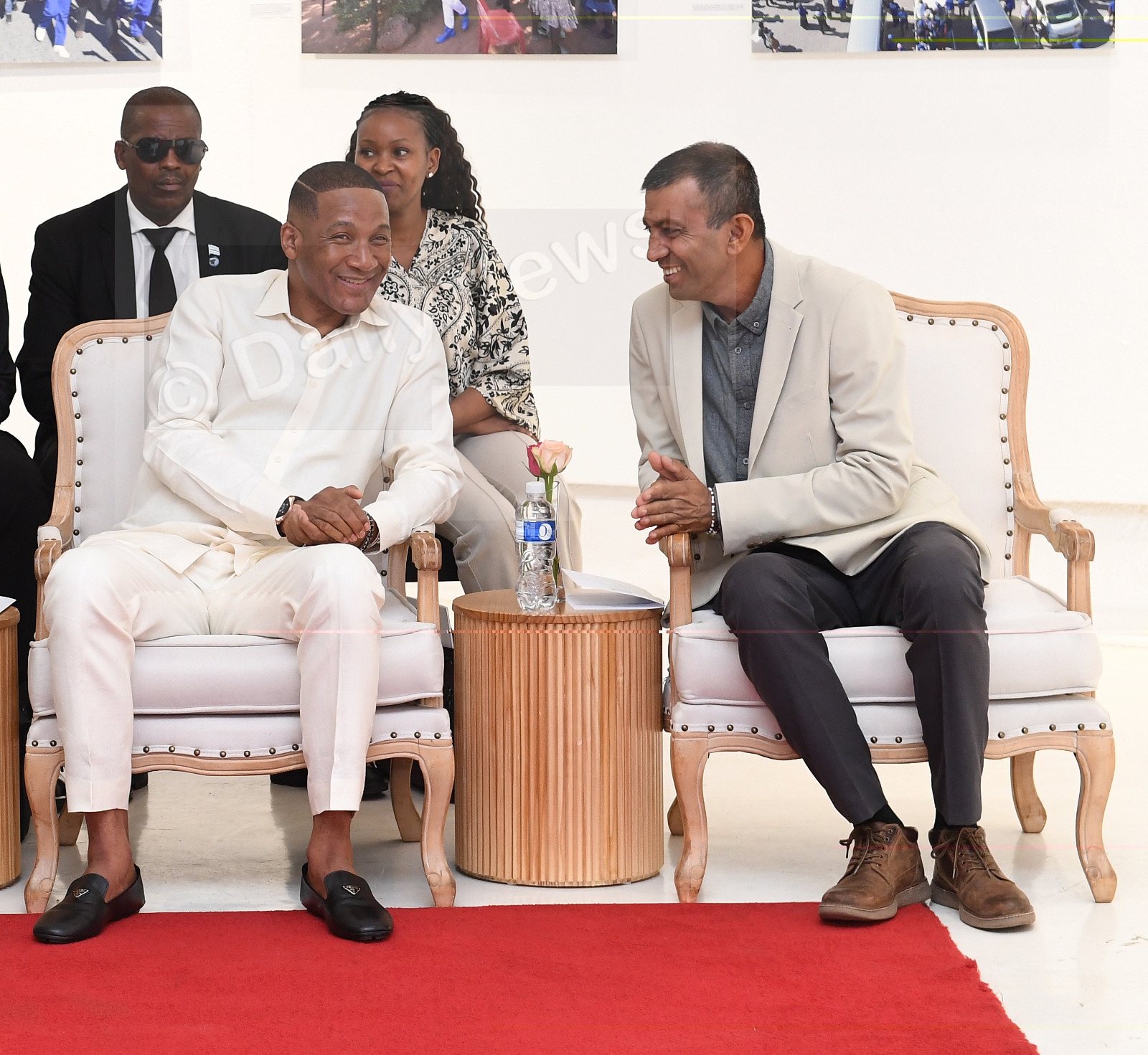
    The adage that a picture is worth a thousand words aptly describes the newly launched photo-book on President Duma Boko, titled That’s My Boy.
    Compiled by renowned photographer, Monirul Bhuiyan, the book captures defining moments of President Boko’s political journey from his election as leader of the Botswana National Front (BNF) in 2010 to his assumption of the country’s highest office.
    Through a compelling visual narrative, Bhuiyan traces Boko’s path from early political aspirations to the historic night of November 1, 2024, when he was elected Botswana’s sixth president.
    The images highlight the power of grassroots activism and the perseverance that underpinned the journey.
    Structured chronologically, the book moves from the trenches of political struggle to the Office of the President.
    Beyond recording milestones, it offers insight into the President’s thinking, his policy perspectives, political life and vision for a renewed Botswana.
    Themes of hope and unity are woven throughout, particularly in photographs from the formative days of the Umbrella for Democratic Change (UDC), where Boko is seen alongside the late Gomolemo Motswaledi, founder of the Botswana Movement for Democracy.
    The collection also reflects on the presidency itself, capturing campaign trails and rallies that culminated in the UDC’s 2024 victory, as well as intimate moments from the transfer of power and inauguration. Other images show the President during UDC parliamentary caucus meetings, State-of-the-Nation Addresses and debates, offering the public a window into his reflections as he confronts economic challenges.
    Overall, the book underscores President Boko’s conviction that democracy is not bestowed from above but built collectively, day by day.
    It presents a portrait of how an ordinary citizen can rise to the nation’s highest elected office.
    Speaking at the launch, President Boko said he was deeply moved by the book produced under his name.
    “This photo-book takes me back to a time many remember, the days when I stood in opposition, when the road was uncertain and the weight of resistance was heavy,” he said.
    The images, he added, captured moments of struggle, sacrifice, doubt and unwavering hope, and honour those who believed even when belief was costly.
    Referring to photographs from a court case questioning his BNF membership, he said the book was an emotional roller coaster.
    “Those were gloomy days in my political career,” he said, explaining that his membership should never have been in doubt, having been raised in the party tradition by his father and mentored by Kenneth Koma.
    He recalled contesting for a BNF central committee position in Kanye, where he lost the international affairs portfolio to Calmon Mogalakwe, further affirming his longstanding party involvement.
    President Boko said the book also reflected moments of betrayal and hardship, experiences that shaped his resilience.
    He emphasised that his story was not one of inherited privilege but of hope, tenacity and a desire to serve the nation.
    “For many, I am evidence that one can reach the stars without being born with a silver spoon,” he said, adding that childhood hardships should never be seen as barriers.
    While he values a life away from the limelight, President Boko acknowledged that public scrutiny had followed him from an early age.
    He commended Bhuiyan for documenting the journey ‘not for glory, but for truth’.
    For his part, Bhuiyan said the project was undertaken for posterity.
    “For a newspaper, you are taking pictures to go along with a story or the news of the day, but the mission of this project was to document the presidency for history.” he said.
    He noted that the images captured a range of emotions from triumphant political moments to sombre and deeply human experiences. 

  • Maun Upgrading Gains Momentum

    Maun Upgrading Gains Momentum

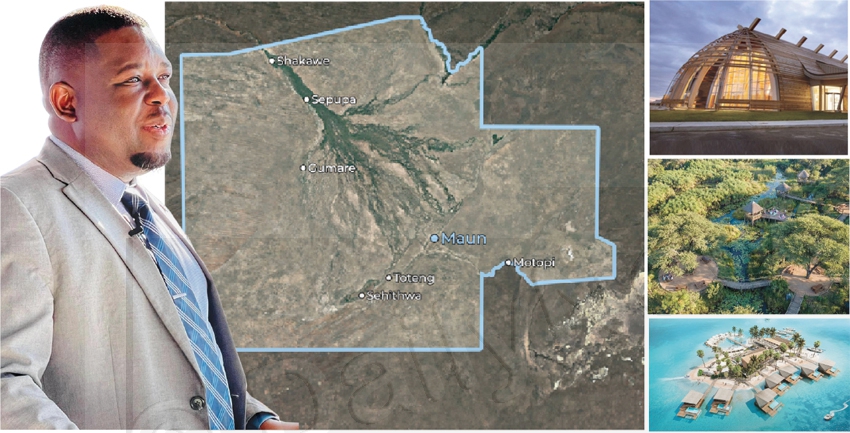
    North West district leadership and stakeholders have welcomed the Maun East Smart City concept, which aims to position the tourism town as the country’s premier eco-urban hub.

    The initiative will require 139 hectares of land for smart, green mixed-use development.

    The project, undertaken by Managed Portfolio Botswana, seeks to establish a resilient, green and smart city anchored on sustainability, digital innovation, nature-based tourism and inclusive economic growth.

    Launching the concept in Maun on Tuesday, North West district commissioner, Mr Thabang Waloka said the Maun East Smart City concept reflected the collective commitment to sustainable development, inclusive growth and the intelligent use of technology to improve the quality of life for the people.

    “Maun has long been recognised as the tourism gateway to the Okavango Delta and a centre of economic opportunity and with growth comes responsibility. Rapid urbanisation demands that we plan smarter, build resilient infrastructure, and ensure that development is orderly, efficient, and environmentally responsible. The Initiative responds directly to these needs,” Mr Waloka said.

    Mr Waloka said the envisioned project would create a city environment that was safe, connected, environmentally conscious and economically vibrant, one that served not only present generations but also those yet to come.

    Appreciating the landmark concept, he said it represented progress, innovation and a shared vision for the future of the district and nation at large.

    The district commissioner further noted that the initiative would benefit the people of Maun through housing opportunities across all income levels, commercial activity, institutional services, jobs for youth and local contractors, investment stimulus pointing that when communities thrive, the district thrives and the nation prospers.

    Mr Waloka pledged that the district administration would facilitate engagement, support regulatory compliance, ensure community interests were protected.

    He further encouraged Managed Portfolio Botswana to maintain openness, transparency and stakeholder participation.

    North West District Council chairperson, Mr Itumeleng Kelebetseng said the launch marked the beginning of a new chapter, one defined by innovation, sustainability and inclusive growth.

    Maun, he said was a tourism destination, a gateway to natural heritage, to opportunity and to progress and with the smart city initiative.

    As such, he reaffirmed their support to the project aimed at improving the quality of life for the people, creating jobs, empowering businesses and ensuring that development remains environmentally responsible.

    The initiative, he said called for collaboration between the community, government, private sector and development partners and encouraged all to move forward with a shared sense of purpose, ensuring that no one was left behind as they build the city that was smart, resilient and people centred.

    Batawana deputy chief, Kgosi Kealetile Moremi also hailed the initiative saying it came at an opportune time when the nation was guided by Vision 2036.

    In addition, she said the project responded meaningfully to the vision, which promoted urban development infrastructure, economic opportunities and environmental responsibility.

    As community traditional leaders, she said they recognised developments in the area which were well planned and sensitive to both communities and the environment.

    For their part, some leaders also welcomed the project, saying it would elevate Maun’s status as it aimed to stimulate economic growth, expanded affordable housing, accelerated youth employment, strengthen small-medium enterprises capacity and positioned it as Botswana’s investment hub.

  • Health Ministry Makes Strides Despite Challenges

    Health Ministry Makes Strides Despite Challenges

    RELOCATION OF PRIMARY HEALTHCARE SERVICES
    In April 2025, primary healthcare services, including clinics and health posts, were relocated from the Ministry of Health to the Ministry of Local Government and Traditional Affairs.

    Dr Nyanga described the move as a critical step toward bringing health services closer to communities and advancing Universal Health Coverage. ­­­

    The relocation of Primary Health Care functions marks a significant milestone in Botswana’s health sector reform and decentralisation agenda.

    NATIONAL HEALTH INSURANCE

    The ministry also initiated stakeholder consultations, through kgotla meetings, council sessions and direct engagements with various stakeholders, on the introduction of a National Health Insurance (NHI) scheme, which aims to achieve Universal Health Coverage.

    Dr Nyanga said the NHI would represent a­­­­ major transformation of Botswana’s health system, aiming to ensure equitable access to quality health care for all citizens, regardless of location or socio-economic status.

    He said the ministry planned to table the NHI Bill before Parliament during the February 2026 sitting.

    ESTABLISHMENT OF PEDIATRIC SURGICAL CENTRES OF EXCELLENCE

    Dr Nyanga said the ministry, with support from Kids Operating Room (KidsOR) and funding from philanthropists Mr Steve Lansdown and Ms Margaret Lansdown, made significant strides in strengthening pediatric surgical care over the past 12 months. Two such centres were successfully completed at Princess Marina Hospital and Nyangabgwe Referral Hospital, marking a first for the country.

    Both facilities are equipped with state-of-the-art, child-specific surgical infrastructure. At Princess Marina Hospital alone, more than 150 children have already received life-changing surgical procedures since the centre became operational in June 2025. As a result, waiting times for pediatric surgery have been drastically reduced.

    Dr Nyanga noted, however, that shortages of specialised personnel such as pediatric anaesthetists and nurses remained a key challenge.

    In partnership with KidsOR, the ministry is working to build a skilled workforce capable of delivering safe and continuous paediatric surgical care nationwide.

    The initiative aims to improve access to safe, timely, and high-quality surgical services for children by establishing pediatric surgical centres of excellence in Botswana.

    EXPANSION OF SAFE SURGICAL CAPACITY

    To strengthen surgical resilience, Dr Nyanga said a Solar Surgery System is being implemented in 12 hospitals across the country. The initiative is designed to ensure that surgical services can continue uninterrupted during power outages.
    He said the KidsOR project, supported by the Lansdowns, had delivered transformative change by reducing waiting times, improving theatre infrastructure, and introducing sustainable energy solutions. With Nyangabgwe Referral Hospital preparing for its official opening and training programmes progressing, Botswana is positioning itself as a regional leader in paediatric surgery in Southern Africa.

    EYE CATARACT SURGERY CAMPAIGNS

    Two cataract surgery campaigns conducted in 2025 at Selebi Phikwe Government Hospital and Scottish Livingstone Hospital restored sight to a total of 694 Batswana.

    Dr N­­­yanga said many beneficiaries had been on waiting lists for a long time, making 2025 a life-changing year for them. He described the campaigns as a significant milestone in improving eye health and quality of life for hundreds of citizens.


    MEDICAL DELIVERY DRONES

    Government launched Botswana’s medical delivery drones, an innovative breakthrough that will transform the way is has been delivering healthcare across the nation. The initiative is designed to ensure that life-saving and essential medicines reach even the most remote and hard-to-access communities with speed, reliability, and precision.

    The innovation, which was launched by President Advocate Duma Boko, aligns with government’s commitment to equitable healthcare, as no citizen should be denied timely access to critical treatment. 

  • Majere Applauds Special Education Learners

    Majere Applauds Special Education Learners

    Special education learners, who participated at the just ended National Special Olympics, deserves special recognition and appreciation for displaying a sterling performance.

    The mayor of Francistown, Mr Gaone Majere said during the city’s full council meeting citing that the team returned home with an impressive total of 77 medals, a remarkable achievement that he added, spoke to their dedication, resilience and talent.

    The team secured 34 gold medals, 29 silver medals, and 14 bronze medals, earning not only accolades but also the admiration of the nation of Botswana and ‘their performance is a testament to what can be accomplished when determination meets support and opportunity’, Mr Majere said.

    While he acknowledged youth unemployment as one of the challenges in the city, he said the council had however committed itself to creating meaningful opportunities for the youth through the Tender Preference Scheme, under which a portion of procurement was reserved specifically for youth-owned enterprises.

    Through the scheme, the council has awarded over P1 million to youth-owned companies out of P7,161,161.15 worth of tenders, representing 14.41 per cent of the total.

    “We should, however, acknowledge that the pace of procurement has been slower than anticipated due to the current economic conditions we are experiencing,” added Mr Majere.

    The house was also briefed that the council was more committed to harnessing solar energy across its institutions citing that the solar systems had now been installed and commissioned at Tagala and Lekgaba primary schools while installation works at Mahudiri and Phatsimo primary schools had also been completed and currently awaiting commissioning by the Botswana Power Corporation.

    The next school scheduled in the programme of works, he said was Pelotshwana Primary School as all required materials had already been procured noting that the commencement of works at the school has been delayed due to the breakdown of the cherrypicker, a critical piece of equipment necessary for the successful execution of the project.

    “This initiative is fully aligned with the government’s commitment to sustainable energy as articulated in the National Energy Policy, which promotes a transition from coal dependency to renewable energy sources. It is also well in alignment with the Sustainable Development Goal number 7, which is Affordable and Clean Energy,” he said.

    He said the council would generate income from International Renewable Energy Credits and Carbon Credits as the government advances efforts for Botswana to participate meaningfully in the global carbon economy.

    Furthermore, he said the city council had identified and prioritised different sectors, including tourism, manufacturing and the informal sector, among others, as engines for economic growth and development.

    “Under the tourism sector, we have identified 17 heritage sites, which are currently being documented to create an informative heritage platter,” said Mr Majere.
    In addition, he said the council would resuscitate the Francistown Educational Park to promote urban tourism, generate income and create employment opportunities in ancillary sectors such as hospitality, retail and transport.

    The fencing of the park is almost complete and will be followed by restocking of the park.

    The move is expected to position the city as a premier Meetings, Incentives, Conferences, and Exhibitions destination as it has hosted several high-profile events, including the BTC Marathon, Batanani Walk, Miss Universe Botswana and Land Pitso, among others.

    The city is also billed to host Tourism Pitso from January 29 to 30, while the City Tourism will be launched in Francistown on Saturday.

    “These activities not only showcase our capacity and readiness to host major events but also contribute significantly to the local economy and the livelihoods of our residents.” 

  • China Economic Roundtable Island-Wide Special Customs Operations of Hainan FTP Represents China’s Stance Against Protectionism Expert

    China Economic Roundtable Island-Wide Special Customs Operations of Hainan FTP Represents China’s Stance Against Protectionism Expert

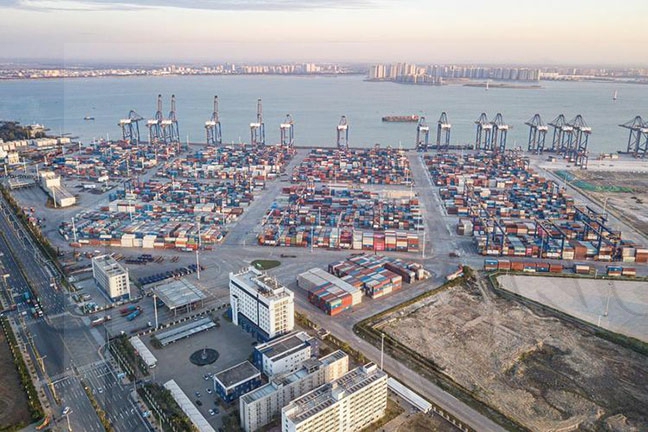
    The launch of island-wide special customs operations of Hainan Free Trade Port (FTP) represents China’s clear-cut stance against protectionism and a major step toward promoting economic globalization, said Huang Hanquan, a Chinese economist.

    Huang, head of the Chinese Academy of Macroeconomic Research, made the remarks during the latest episode of China Economic Roundtable, an all-media talk show hosted by Xinhua News Agency.

    The Thursday launch marks a major milestone in the opening-up drive of the world’s second-largest economy. This move sends a tangible message to the world: China has made a significant decision to open up further, Huang said.

    It also aims to set a benchmark for higher-level opening-up, inject new momentum into upholding multilateralism and free trade, and foster inclusive and universally beneficial economic globalization, according to Huang.

    “It is a strategic move to align with high-standard international economic and trade rules and steadily expand institutional opening-up,” Huang noted. “This provides an important platform for China to better adapt to and utilize international economic and trade rules while actively participating in their formulation.”

    Huang believes that China’s economy has transitioned from rapid growth to high-quality development and is now at a critical stage of transforming growth model, optimizing economic structure, and shifting growth drivers.

    As a key testing ground for reform in China, Hainan shoulders the important mission of paving new paths and accumulating fresh experience for building a high-standard socialist market economy, particularly in key areas such as trade and investment, fiscal and financial systems, and government regulation, Huang added.