For many motshelo members, the end of the year is a moment of great anticipation, the long-awaited sharing of dividends after months of faithfully contributing to the communal pot.
Traditionally, these year-end gatherings are grand occasions. Members mostly women, arrive dressed to impress, ready for a celebratory lunch where profits or food packages are shared. After a year of disciplined contributions, the payout serves not only as financial relief but as a boost of pride ahead of Christmas festivities and the journey home to the village, where spending power often translates into status.
But there have always been the occasional spoilers: the treasurer who disappears, the member who vanishes with outstanding contributions, the mysteriously switched-off phone and the now famous line, “Buka ya motshelo e jelwe ke dipeba” (the rats have eaten the motshelo accounting book).
Such festive-season tales have circulated on social media for years, recounting members who go missing well into the New Year.
Increasingly, however, those mishaps are becoming rare as motshelo groups tighten their governance.
“The motshelo I am part of is very organised,” says Serowe-born, Gaborone-based multimedia designer Tswelelo Kgakge. “We have a committee with a chairperson, secretary and treasurer, and we use a mobile money group savings account where every withdrawal must be approved by all members.”
She says her team of women runs like a well-oiled machine, with checks and balances that build trust.
“Beginning of the year, we make our contributions. As the year continues, members can borrow from the common pool and repay with interest. At year-end, we share the dividends. One member hosts us for a lunch where everything is distributed — all very orderly.”
Motshelo functions as a voluntary financial cooperative, where members contribute agreed amounts into a shared fund. The money may then be released to individuals on a rotational basis, often generating income through interest before a collective payout at year-end. It also doubles as a rotating savings and credit association (ROSCA) for major expenses — funerals, school fees, groceries or even construction projects.
Modelled closely on South Africa’s communal stokvel system, motshelo has historically relied on trust and solidarity. Over time, however, it has modernised through digital applications, formal banking products and clearer accounting procedures.
Award-winning sports journalist Ms Anastasia Sibanda agrees that modern structures have reduced disputes.
“Commercial banks now offer fixed deposit motshelo accounts, and mobile money providers have group savings solutions. This improves accountability and ensures a clear paper trail,” she says.
Sibanda has belonged to a ten-member motshelo since 2011. The group charges a joining fee, makes regular contributions, allows members to borrow at 20 percent interest, and divides the earnings once members reach their agreed threshold.
“We are well structured — chairperson and treasurer as signatories to the account, a secretary, and a disciplinary coordinator who handles disputes. Everything is transparent. A spreadsheet is published monthly in the WhatsApp group, and members must approve any release of funds,” she explains.
Such measures ensure that members are now far less vulnerable to “the rats” — real or metaphorical — that once threatened to spoil the festive cheer by devouring the money or the accounting book.
Category: Daily News
-
Modern Structures Reduce Motshelo Disputes
-
Opportunity for All Enhances Community
About 500 people living with disabilities are said to be registered by Kanye District council and according to the Primary Health Care Services, deputy council secretary, Mr Conrad Ntsuape, the differently able persons were faced with challenges such as high poverty levels among others.
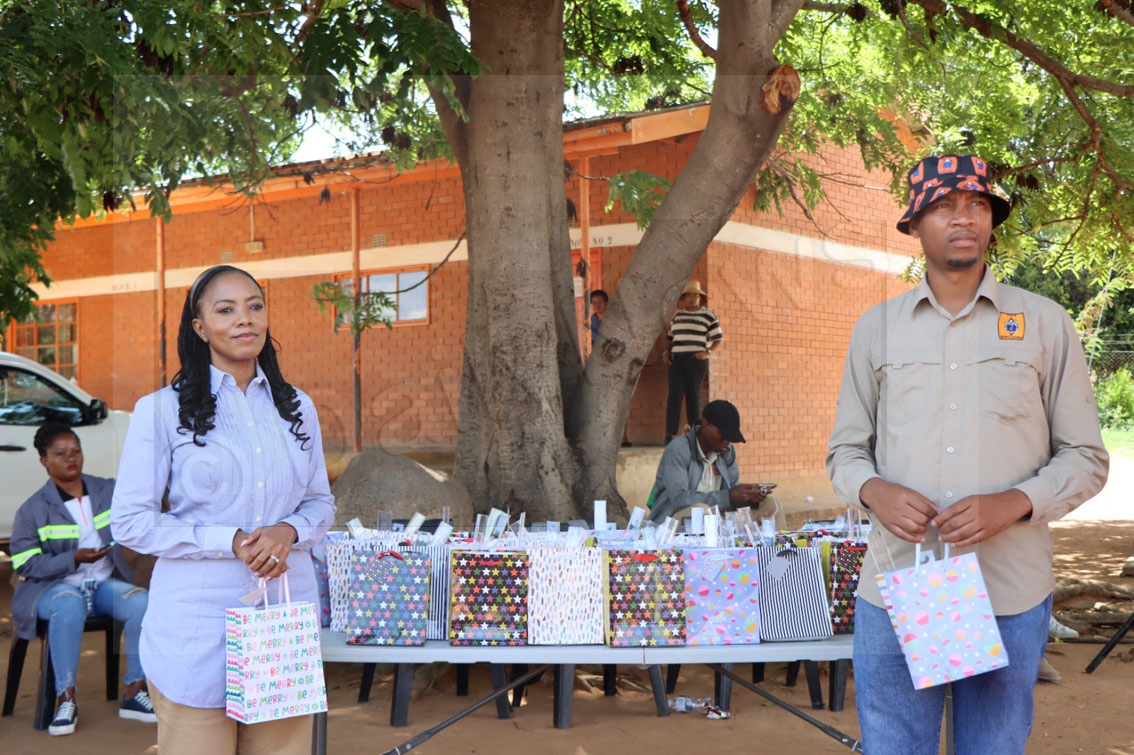
Allowing differently able persons to learn, work and live with dignity strengthens the entire community, says Giyani Metals corporation country manager, Ms Elisa Modikwa.
Speaking during the Kanye District Disability Day on Friday, she hailed Segopotso Primary school’s good performance as a beacon of hope.
“We are proud of our ongoing collaborations with Segopotso Primary school, specifically the special privilege of serving the differently able persons,” said Ms Modikwa.
She regarded persons living with disabilities an important part of Giyani’s engagements and programmes, noting that the company would not like to only support school development but also contribute towards learners’ wellbeing as well.
To encourage that, the school received materials and would be assisted with labour to build a poultry house to improve learner’s diet, as well as skin care products- sunscreen lotions.
Ms Modikwa further said though a small gesture, it was the company’s commitment to working with the school to create opportunities that build confidence and support learning.
About 500 people living with disabilities are said to be registered by Kanye District council and according to the Primary Health Care Services, deputy council secretary, Mr Conrad Ntsuape, the differently able persons were faced with challenges such as high poverty levels among others.
A differently able person in Kanye, Mr Loago Malatelele called for their representation in different planning forums. -
Moshupa Hospital 98 Per Cent Complete
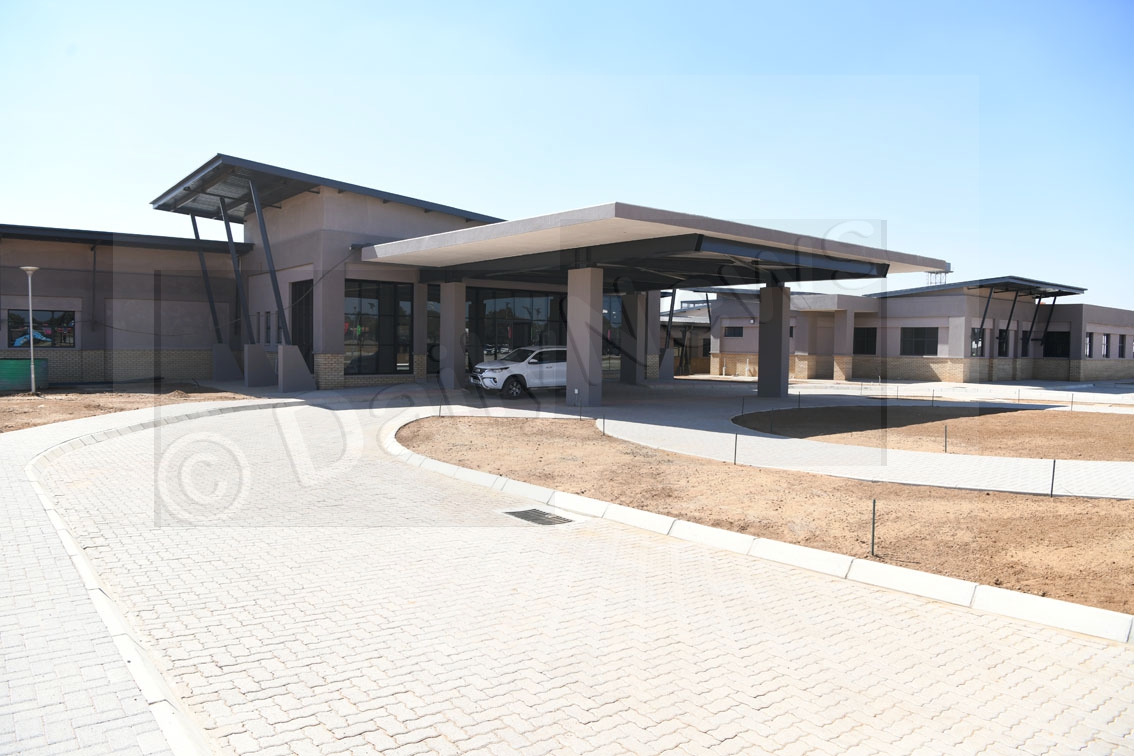
The new Moshupa Primary Hospital is on the verge of full operation, with physical progress now at 98 per cent and key facilities already handed over for use.
Presenting the District Development Committee (DDC) report to Moshupa District full council meeting on Wednesday, Principal District Development Officer, Mr Tebogo Mekwe confirmed substantial progress on the long-awaited health facility since the previous update on August 5.
According to Mr Mekwe, the P494 million hospital and civil works package, awarded to Zhengtai Group Botswana in joint venture with Whitacon (Pty) Ltd, was in its final phase.
Mr Mekwe explained that, to counter delays caused by outstanding payments, a phased hand-over strategy had been implemented.
The administration block, main stores, reception, public toilets, laundry, and kitchen have already been issued occupation permits and are ready for immediate use by the Ministry of Health. Guard houses, the general ward, engineering workshop, and waste-management zone are currently being de-snagged and will be handed over soon.
Only landscaping, external works, the Out-Patient Department (OPD), maternity wing, main theatre, TB ward, and mortuary remain before the revised completion date of December 18.
Expenditure on the hospital package stood at P402.1 million, leaving a balance of P66.4 million. Mr Mekwe reiterated that delayed payments remained the primary risk to meeting the December deadline and disclosed that the Ministry of Health had been formally requested to expedite the release of final funds urgently.
On the associated staff-housing project valued at P77.7 million and executed by Classic Clean (Pty) Ltd, Mr Mekwe reported that the units had been at 100 per cent complete since June 2023. Final closure was pending with only the rectification of minor defects including damaged landscaping equipment and pressure testing of the fire line, which the contractor must complete at its own cost. Only P320,548 remain unspent.
Mr Mekwe further informed councillors that Phase One of the refurbishment of academic facilities at Moshupa Senior Secondary School was now 100 per cent complete across all four packages (Administration Block, Library Block, Old Administration Block, and covered walkways).
“Defects Liability Periods have either concluded or were in the final retention-payment stage, while Phase Two remains shelved due to funding constraints,” he said.
Presenting employment statistics, Mr Mekwe stated that the hospital construction had created 111 jobs, 98 of which were filled by Batswana citizens. The workforce comprised 70 youth (18–35 years), 41 older workers, 86 males and 25 females, with 44 skilled, 30 semi-skilled, and 37 unskilled workers. Regrettably, he noted that no persons living with disabilities were employed on the project.
“Residents of Moshupa and surrounding villages are now poised to access modern primary-hospital services before year-end, marking a major milestone in upgrading healthcare infrastructure in the Southern district,” he said. -
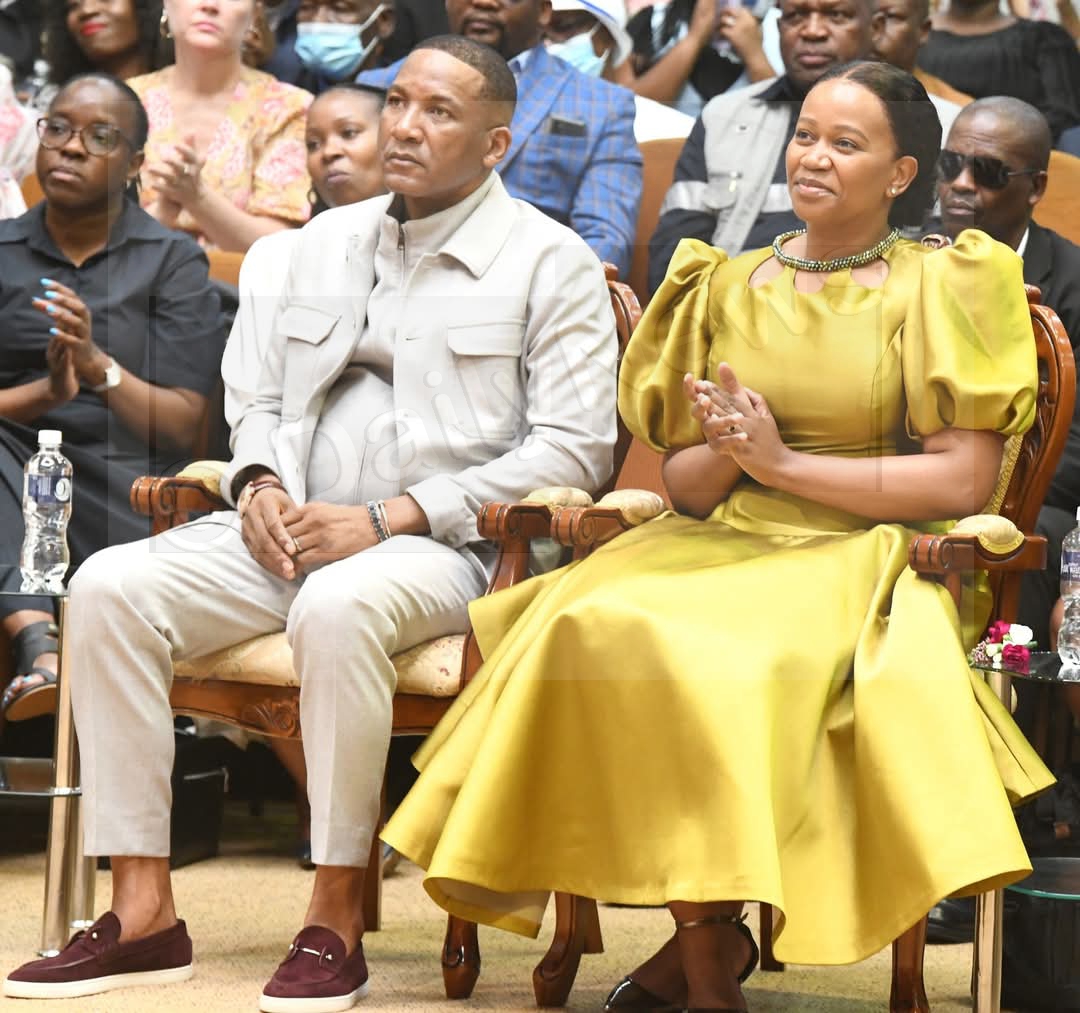
Boko Encourages Nation to Thank God in Anticipation of Abundance
Wrapping up the thanksgiving celebration yesterday, President Advocate Duma Boko said the day was set aside for the nation to express gratitude not based on present circumstances, but in anticipation of promising season ahead.
He said thanksgiving was an act of faith, calling on Batswana to give thanks not only when things were going well but also when they were trusting God for what was yet to come.
President Boko further stated that the thanksgiving service symbolised hope and confidence in a future of prosperity, unity and stability, adding that the nation was declaring abundance before it fully manifested.
-
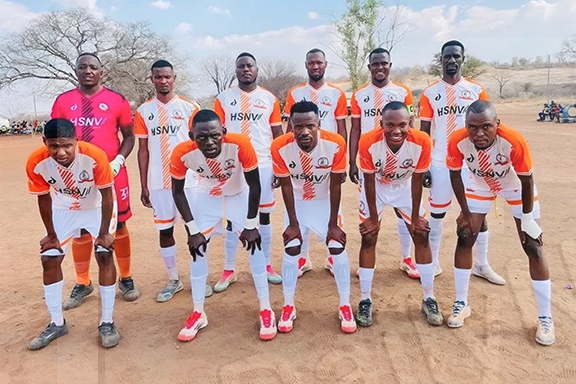
FIRST DIVISION NORTH WRAPS UP LEAGUE THIS WEEKEND
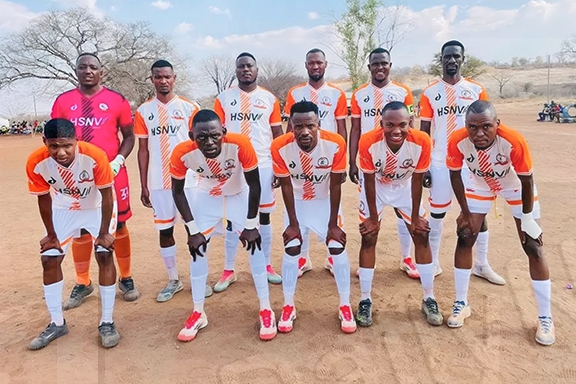
The First Division North league will wrap up the year this weekend with exhilarating matches planned for Saturday.
As six games are set to unfold before the Christmas and New Year break, the competition for promotion to the elite league is intensifying.
The Week 13 fixtures promise to be thrilling, with teams vying for both promotion and survival. Current standings indicate that every point is crucial for teams looking to improve their ranks and a defeat could complicate matters and ensure that the matches will be competitive and closely contested.
While Tonota FC have already signalled their ambition to ascend to the elite league next season, other teams such as Tsabotlhe FC, Enesia FC and BR Highlanders are eager to challenge for promotion as well.
The Week 13 fixtures will feature a major clash at the BR Stadium in Mahalapye, where BR Highlanders FC will be up against the current log leaders, Tonota FC.
Tonota FC have accumulated 32 points from 12 matches without a loss to date. The home side, BR Highlanders, currently sit fourth with 18 points from 12 games.
The matchup is likely to draw attention as fans wonder if BR Highlanders can hand Tonota FC their first defeat using home ground to their advantage.
In Francistown, Enesia FC will welcome Mbalakalungu SC from Shakawe at the Francistown City Council Stadium.
Positioned third and ninth in the league table respectively, Enesia FC have accumulated 21 points from 12 matches, while Mbalakalungu SC are at 11 points from the same number of games.
In Serowe at the Newtown Primary Grounds, Tsabotlhe FC will face Sankoyo Bush Bucks. Tsabotlhe FC are currently second in the standings with 22 points from 12 matches played. On the other hand, Sankoyo Bush Bucks hold seventh place with 13 points from 11 matches.
Ferry Wanderers SC, who find themselves in the relegation zone, will host Eleven Angels FC at Kasane Prison Grounds in Kasane. After their recent loss to Tonota FC, Ferry Wanderers SC are positioned 11th with nine points from 11 games played. Eleven Angels FC, despite losing their last match against Enesia FC, are sixth with 16 points from 12 matches.
At Sefhare Primary Ground in Sefhare, JJ United FC will welcome Motlakase Power FC from Palapye. JJ United FC occupy eighth place with 13 points from 12 games played, while Motlakase Power FC are in tenth place with 10 points.
Another fixture will see Ndundu Young Fighters FC going up against Tshikinyega Yigers FC. Ndundu Young Fighters have secured 17 points from 12 matches so far, whereas Tshikinyega FC are currently in the relegation zone with eight points from their 12 games played.
All matches are scheduled to commence at 3:30pm.
-
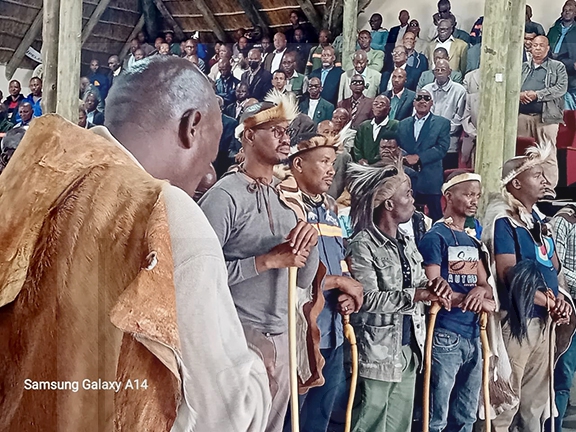
Traditional Affairs Tribunal to Resovle Bogosi Disputes
Government is planning to establish a traditional affairs tribunal via the reviewed Bogosi Act to bring greater clarity and stability to the Bogosi institution.
The traditional affairs tribunal is expected to resolve chieftainship disputes and other relevant traditional matters.
Speaking at a kgotla meeting in Mochudi on December 11, Minister of Local Government and Traditional Affairs, Mr Ketlhalefile Motshegwa said the legislative review was necessary because the Bogosi institution had been marred by disputes, often stemming from lack of proper consultation between communities and royal houses.
Mr Motshegwa said the review of the Bogosi and Customary Law Acts followed countrywide consultations, with most amendments based on the recommendations received.
He indicated that the review aimed to profile the roles of Dikgosi and grade them to ensure that the structures were clearly defined and formally incorporated and defined the role of the royal house within the Bogosi Act as well as establish a defined structure for Dikgosi, complete with official titles
He added that government’s goal was to create well-defined structures that minimised ambiguity and friction within the traditional leadership framework.
Furthermore, the Minister commended the Bakgatla community for continuing to uphold their culture and encouraged them to keep instilling discipline through traditional institutions like initiation schools.
On the other hand, Minister Motshegwa informed the Bakgatla community that government had officially dropped all charges previously levelled against their paramount chief, Kgosi Kgafela II.
The landmark decision, he explained, followed key engagements between the ministry and the Bakgatla Deputy Chief, Kgosi Bana Sekai, regarding the circumstances surrounding Kgosi Kgafela II’s prolonged absence from the country.
Mr Motshegwa also shared that during a recent meeting with Kgosi Kgafela II, he informed him that a Constitutional Review was underway and extended an invitation for him to participate in the national process.
For his part, Minister of Justice and Correctional Services, Mr Nelson Ramaotwana, assured Bakgatla that government was committed to peaceful relations with the tribe.
Mr Ramaotwana said their Kgosi was free to come back home following the engagements and consultations that ultimately led to his flight
“This has been a long journey, but it has finally been resolved,” he said.
Members of the community expressed their delight over the news and welcomed the decision. However, they stressed that they still required assurance that their Kgosi would not be troubled upon his arrival back home, which they deemed a significant step toward healing historical rifts.
-
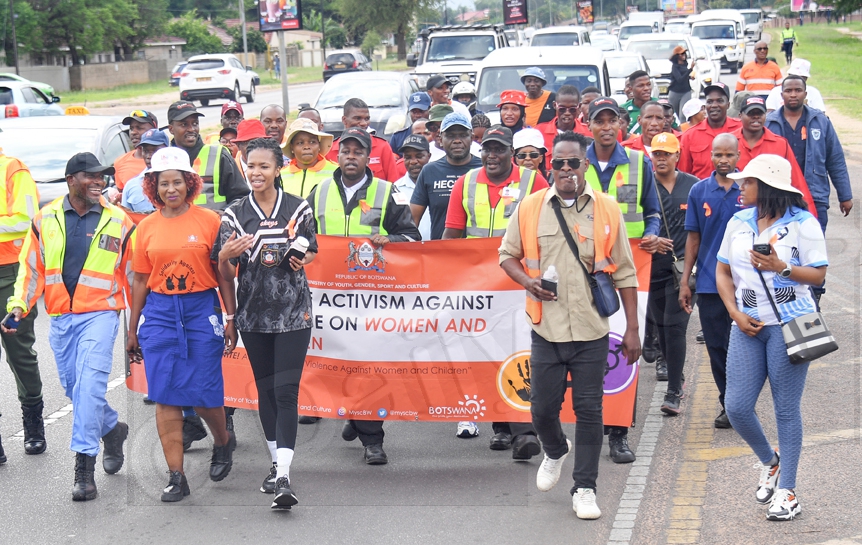
Govt Advances Anti-GBV Legislation
The process of enacting the legal framework focused on combating gender-based violence (GBV) is ongoing, the Minister of Youth and Gender, Ms Lesego Chombo, has told the National Assembly.
In a statement to mark the closure of this year’s 16 Days of Activism Against GBV on Wednesday, Ms Chombo said broad consultations were ongoing to inform the piece of legislation the ministry was developing to combat GBV, which they planned to present to Parliament by July 2026.
“A major pillar of our national response is the development of dedicated GBV legislation. I am pleased to report that the process is advancing steadily. The ministry has concluded its preliminary stakeholder analysis and is now drafting the Drafting Instructions that will be submitted to the Attorney General’s Chambers,” said Ms Chombo.
The consultations with various stakeholders including civil society organisations, ex-offenders, media practitioners, women’s leagues of political parties, legal experts and frontline responders among others, is to ensure the legislation is evidence-based, survivor-centred, and nationally owned, Ms Chombo said.
“These engagements have deepened our understanding of lived realities of violence in Botswana and the breadth of issues the law must address. Survivors underscored the urgent need for; accessible legal aid, trauma informed psychosocial support and assistance extended to their family members,” she said.
Ms Chombo added that persons with disabilities highlighted communication barriers at police stations, health facilities, and courts, calling for stronger inclusion frameworks and for Special Education to be fully integrated into the mainstream education system.
She further revealed that the comprehensive review of the policy of the National Policy on Gender and Development was currently in its inception stage.
The development of a Gender Strategy with World Bank Support, and the review of the National Strategy Towards Ending GBV are also ongoing, the minister said.
Beyond legislation and policy framework, Ms Chombo said government was working to strengthen systems, communities and services, and extend early prevention efforts.
She also outlined other measures including public education and community engagement, strengthening frontline responders, women economic empowerment, closing the digital gender divide and supporting shelters through subventions.
Additionally, Ms Chombo said her ministry understood men and boys remain central to transforming harmful norms and preventing violence and as such were being engaged in the battle to combat GBV.
Members of Parliament largely spoke in favour of these efforts.
Chobe MP, Mr Simasiku Mapulanga, spoke of the need for psychosocial support and mental health training for women and children as a means to combat GBV.
Mr Mapulanga said government should scale down on exuberant commemorations which at times had too much fanfare that derails from the massaging.
Maun West legislator, Mr Caterpillar Hikuama, said the state should pay greater attention to cyber crime and GBV that occurred through digital platforms particularly with the use of social media pseudo accounts by perpetrators.
-
Digital Violense Needs Shared Responsibility
The Parliamentary Caucus on Women has been informed that many people are unknowingly committing cyber offences by sharing harmful online content.
Director of the Gender and Child Protection Branch in the Botswana Police Service, Senior Assistant Commissioner Goitseone Ngono, told a caucus panel discussion in Gaborone on Monday that some users ‘innocently share content, unaware that so doing is a criminal offence.’
The shared content, she said called for stronger prevention and public education on digital gender-based violence (GBV).
“There is a need to educate and create awareness for all members of the community to be well informed,” Ms Ngono said.
While noting that the police appreciated the opportunities offered by the digital space, she said some users “glorify and validate its negativity,” and urged that online platforms be used constructively “to mediate or create awareness that builds peace.”
Ms Ngono said offences registered by the police included child pornography, cyberstalking and defamation of character. Most victims of cybercrime were women and children, though men were also affected.
In 2024, Ms Ngono said that six per cent of GBV victims were males, indicating that men were also coming forward to report GBV. She noted that the police were finding ways to channel and prioritise resources to combat GBV and officers were trained to identify and address GBV, with documented standard operating procedures in place.
Ms Ngono highlighted that over 2 000 digitally facilitated GBV reports had been processed, most resulting from ignorance. She mentioned that many GBV cases were assault-related, like unlawful wounding. Out of 2 248 reported GBV offences in 2024, only 575 were confirmed to be GBV-related. Additionally, of the 337 murder cases registered that year, 172 were GBV-related.
The Chairperson of the Parliamentary Caucus for Women, Ms Helen Manyeneng, stated that digital violence against women and girls was destructive. She described digital violence as invisible, occurring in the digital space, and emphasised the need for collaborative efforts to combat it, as many lives and opportunities were lost due to such violence.
Ms Manyeneng pointed out that while digital spaces offered educational opportunities, perpetrators of GBV often exploit women seeking these opportunities. She warned that digital violence could affect individuals, even leading to suicide.
Therefore, she urged parents to monitor their children’s activities in the digital realm to mitigate potential harm.
Mr Arnold Somolekae, President of the Gaborone West Customary Court, attributed digital violence to unemployment and an unstable economy, noting that many young girls were lured into prostitution through digital platforms with false promises of employment. He called for interventions to hold these perpetrators accountable.
Renowned lawyer Mr Uyapo Ndadi stressed the need for the government to establish women’s shelters across the country for the safety of GBV victims.
While Ms Lydia Mafhoko-Ditsa of UN Women Botswana reported that a UN study indicated that 67 per cent of women experienced digital violence through miscommunication, while 73 per cent of journalists were also victims. She revealed that 300 million children had been affected by online exploitation in the past two years, noting that while these statistics were alarming, many cases go unreported.
Ms Mafhoko-Ditsa advocated for learning from the HIV/AIDS epidemic, where community capacity enhancement helped eliminate harmful cultural practices.
She also emphasised the importance of assessing the economic impact of GBV, pointing out that the European Union spends €329 billion annually to address it, raising the question of what this means for Botswana’s national economic situation.
“We need to analyse the cost implications of GBV,” she said.
-
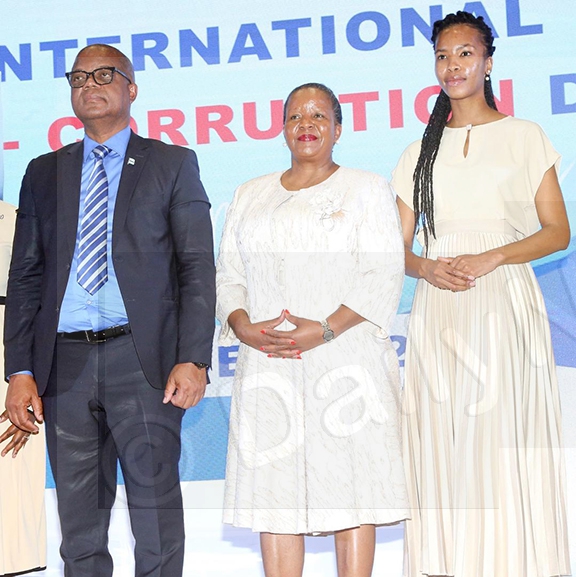
Integrate Youth into Governance to Bolster Anti-Corruption Efforts
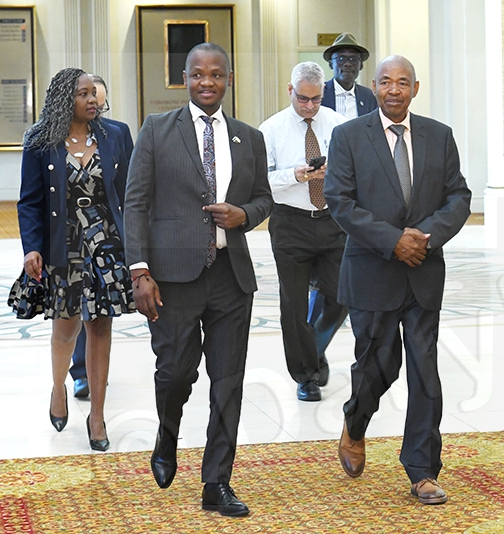
Botswana must harness the energy and innovation of its young people to build a culture of integrity, the Minister for State President, Mr Moeti Mohwasa, has said. Delivering a keynote address during the International Anti-Corruption Day Commemoration in Gaborone on December 10, Mr Mohwasa stressed the need for the country to recalibrate its anti-corruption machinery and fully integrate young people into national governance.
“Corruption has no place in our society. We are implementing reforms that will empower the Directorate on Corruption and Economic Crime (DCEC) and other institutions to safeguard our national resources with renewed vigour,” he said.
Drawing from historical examples such as the Soweto Uprising, the Arab Spring and Kenya’s #RejectFinanceBill protests, the minister noted that organised youth movements had the power to hold governments accountable and transform societies. “Our young people are informed, engaged, and ready to make their mark,” he added.
Despite Botswana’s reputation as one of Africa’s least corrupt countries, Mr Mohwasa warned that integrity indicators were declining. He cited growing administrative lapses and weakening deterrence mechanisms as areas of concern, emphasising the importance of educating the youth about the country’s anti-corruption history including scandals and commissions of inquiry that led to the
establishment of the DCEC.
Connecting the anti-corruption drive to the national development vision, he reiterated government’s transformative agenda anchored on restoring trust, revitalising the economy and building equity. These goals, he said, could not be achieved without strong integrity systems and robust public accountability. He also welcomed the participation of Commonwealth Africa Anti-Corruption Agencies
in the commemoration. Mr Mohwasa said this year’s theme was timely and relevant, noting that the annual event highlighted the link between corruption, underdevelopment, insecurity and economic inequality, while reaffirming Botswana’s commitment to international efforts to curb corruption.
For her part, the Minister of Youth and Gender Affairs, Ms Lesego Chombo, reinforced the message, warning that corruption continued to weaken institutions and deprive young people of opportunities.
“Corruption denies our young people scholarships, jobs, business opportunities and land,” she said. Ms Chombo called for youth participation in governance to be institutionalised rather than symbolic, urging that young people be included in decision-making positions from community structures to
parliament. She highlighted technology and innovation as critical tools for transparency, encouraging young digital creators to develop solutions that strengthen accountability. Furthermore, she urged young people to take advantage of ongoing initiatives such as youth anti-corruption clubs, leadership boot camps and creative arts platforms aimed at promoting ethics and
civic values. The minister also appealed for moral responsibility, challenging youth to reject nepotism, bribery and shortcuts. “Integrity begins with small choices. You may not control those who ask for bribes, but you control your answer,” she emphasised. ENDS
Both ministers underscored Botswana’s commitment to the United Nations Convention Against Corruption, which the country acceded to in 2011. They encouraged young people to take a national
integrity pledge, noting that their leadership was essential to building a fair, transparent and
accountable nation.
Held under the theme: Uniting with Youth Against Corruption: Shaping Tomorrow’s Integrity, this year’s commemoration aimed to raise awareness about corruption. The event marked a departure
from the traditional marches and speeches, bringing together youth groups, civil society, local stakeholders and representatives from Commonwealth Africa Anti-Corruption Agencies for a full-scale
anti-corruption conference.
-
Ramguttee Hails Botswana Efforts
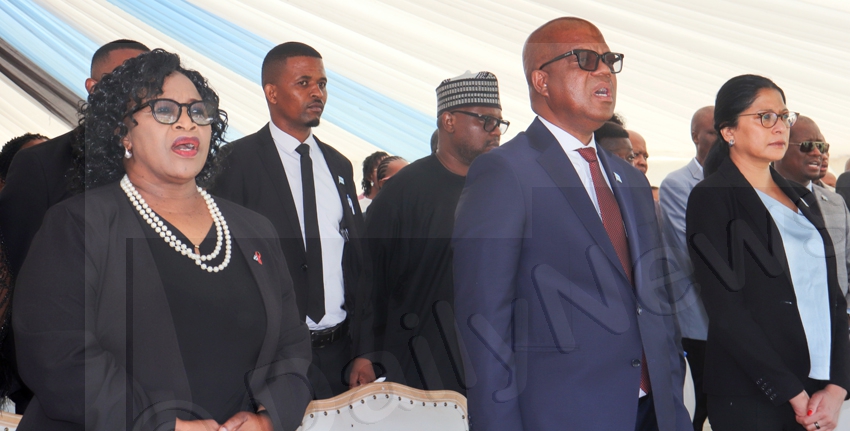
Resident Representative for the United Nations Development Programme (UNDP) in Botswana, Ms Lovita Ramguttee has hailed Botswana’s efforts towards inclusion of persons with disabilities.
Speaking at a recent UN International Day for Persons with Disabilities commemoration held in Jwaneng, Ms Ramguttee said developing several frameworks such as the Persons with Disability Act,
Revised National Policy on Disability and Recruitment Policy, among others, were testament to the country’s commitment to promoting human rights and enhancing sustainable development.
“These achievements for us reflect Botswana’s unwavering commitment to building a society where no one is left behind. The United Nations here in Botswana has been very happy and supports the government on this journey, whether it is in relation to legal framework, all the way to training parliamentarians on the issue of the Convention on Persons with Disabilities and capacity building,” she said.
Nonetheless, she acknowledged that public awareness, data collection, employment opportunities, stigma and inaccessible infrastructure were some of the areas with gaps that hindered the overall goals of inclusion and full participation of persons with disabilities. She underscored the need for stakeholders to collaborate efforts to address these challenges.
“Addressing these challenges will require collaboration, innovation and sustained investments through the whole of government and the whole of society. Today let us reaffirm our commitment to the principle of Leaving No One Behind, which is a core principle of the achievement of the Sustainable
Development Goals, which is central in human rights centric administration,” she noted.
She implored institutions to align their policies, programmes and financial planning initiatives with the inclusion concept in order to enhance equality and dignity for persons with disabilities. She also reassured the UN’s support towards operationalisation of the Persons with Disability Act of 2024, which was declared officially commenced during the event.
Permanent Secretary in the Ministry for State President, Ms Goitsemang Morekisi said government was committed to advancing disability inclusion as a national priority as evidenced by the creation of a clear blue print for all stakeholders.
Ms Morekisi said government had invested in various frameworks over the years, with the objective of enhancing the lives of persons with disabilities.
She applauded Debswana for taking the lead in implementing the Affirmative Action, which she said should also be effectively implemented in government structures.
She also said there was need to involve persons with disabilities in decision making processes to inform the policies and programmes.
She urged all stakeholders to collaborate their efforts in implementing the frameworks to advance the rights of persons with disabilities and create a fully inclusive society.
“I urge all of you to join hands and play a role in ensuring that all the frameworks I talked about are actually implemented,” she said.
Debswana Chief People Officer, Ms Matlhogonolo Mponang noted that through their robust Diversity and Inclusion Strategy, the company had increased the number of differently-abled employees from 18 in 2020 to the current 113 deployed in various roles of their operations. She said the strategy also emphasised the concept of belonging by all employees, irrespective of their differences.
She noted that such inclusion and belonging was also reflected in their investment initiatives aimed at accommodating all employees.
“It is also important to note that we have actively spent capital to ensure that the environment speaks to belonging.
There has been serious investment in software that enables others that need it to be able to work, we are in the process of outfitting and retrofitting braille technology, and we continue to ensure that we have access,” she said.
One of the caregivers, Ms Julia Dibeela emphasised the importance of patience and dedication as key factors to overcome the challenges that came with caring for persons with disabilities.