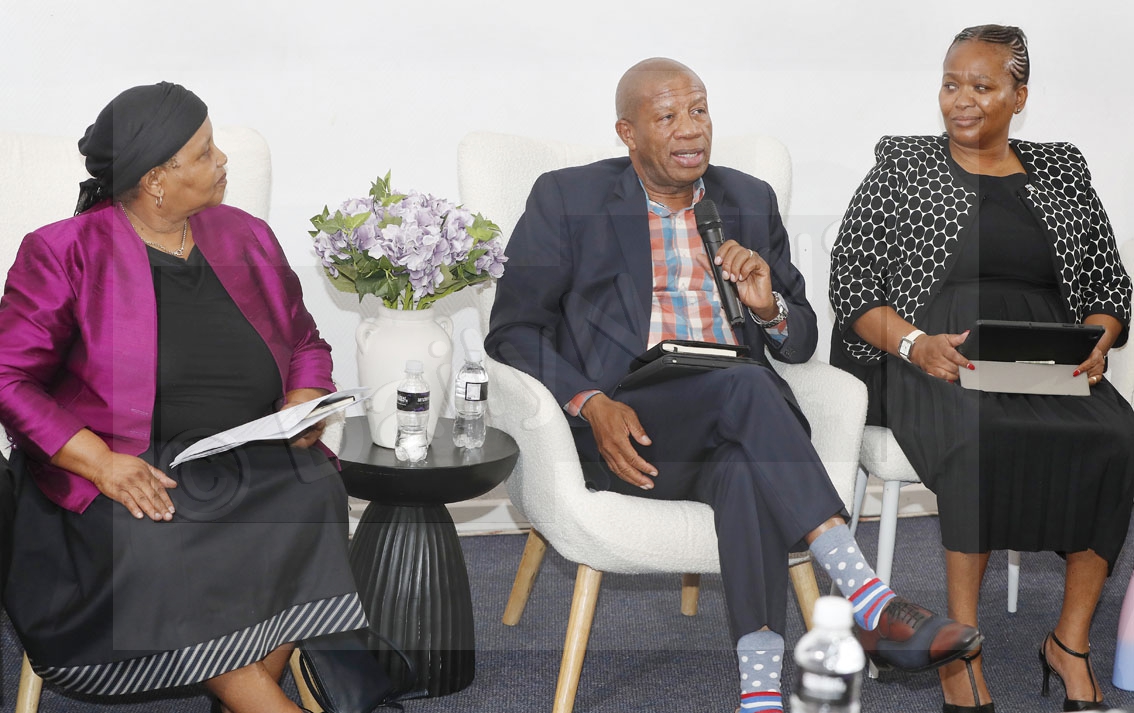
A diverse group of experts convened in Gaborone on Saturday at the call of host, Ms Njiramanda Mbewe-Boatey, to examine the influence of patriarchy on gender-based violence (GBV).
Held under the theme, From Blame to Accountability, The Great Debate, the patriarchy and GBV edition 2025, brought together individuals from law, religion and other fields, igniting a critical dialogue on systemic gender inequalities.
In her welcoming remarks, Ms Mbewe-Boatey emphasised that the time to address GBV was now. She urged participants to interrogate patriarchy amid soaring statistics of suicides and passion killings.
She lamented that progress had been slow and systems remained stagnant, but was hopeful that the debate would enable attendees to trace where failures occurred and explore remedies to restore peace, which was currently under threat.
Court of Appeal Judge, Lot Moroka explained that while patriarchy contributed to GBV, it cannot be solely blamed.
Judge Moroka noted that patriarchy underpinned many societal foundations, including law, particularly common law such as marital law.
However, he highlighted that the legislative progress was gradually dismantling patriarchal structures, with statutory law progressing in that regard. On GBV, he urged people to resist conditioning to abuse, warning that tolerance had led to lives lost, describing GBV as a crime in all its forms.
Media personnel, Mr Kealeboga Dihutso attributed the breakdown of family structures to a vacuum left by changing societal dynamics.
Mr Dihutso observed that children today were often raised by single mothers, whereas in the past, raising children was a community effort involving extended family members like uncles.
Botswana Council of Churches (BCC) vice president, and a human rights activist, Reverend Thabo Mampane, said patriarchy existed within the church, citing biblical origins where man was created first and woman from man’s rib.
He acknowledged that church leadership had historically been male-dominated but emphasised the need for growth and inclusion, clarifying that the church was the hospital of the soul. Speakers including Dr Morena Rankopo, a social educator at the University of Botswana, Kgosi Mosadi Seboko, Paramount Chief of Balete and psychologist, Mr Leshomo Sebati stressed that much work remained to break inequality barriers.
They called for early interventions to change perpetrators’ mindsets and urged research to address trauma responses that continued to haunt men.
Category: Daily News
-
Experts Scrutinise Patriarchy
-
Government Commits to Modernise BDF
Government’s commitment to maintaining a robust, modern and professional Botswana Defence Force (BDF) while simultaneously prioritising national development goals was the central theme at the recent BDF Senior Commander and Staff Programme, Class 17 of 2025, graduation ceremony in Gaborone.
Minister for State President, Mr Moeti Mohwasa, said the BDF must evolve its defence capabilities in line with emerging threats, critically maintaining a balance with other vital national priorities, including health, education, infrastructure and social welfare.
Minister Mohwasa emphasised the need for foundational role of a strong security apparatus in achieving national aspirations.
He added that the strength of security institutions was fundamental to the success of the national Vision 2036, Sustainable Development Goals (SDGs) and the Botswana Economic Transformation Programme (BTEP.
He commended the Commander-in-Chief of the Armed Forces for his unwavering support of professional military education, owing to the exceptional quality of officers being produced.
He also highlighted that a modern and responsible defence force necessitated a significant investment in human capital to position it as a cornerstone of military leadership.
Thus, he urged the graduating officers to embody the qualities demanded by their profession, including integrity, accountability, courage, humility, empathy and resilience.
He further stated that their strategic thinking, innovation and problem-solving skills would be essential in environments where prudence and efficiency were not optional, but imperative.
On the graduation, he said the ceremony was a testament to the continent’s shared commitment to collective security, with participants from across the region.
Minister Mohwasa highlighted the importance of the continental participation, stating that it demonstrated the strength of continental bonds and played a crucial role of military diplomacy.
For his part, Commandant of the BDF Defence Command and Staff College, Colonel Dumisani Ndzinge, expressed gratitude to the staff for their commitment to excellence and for creating a conducive learning environment.
Col. Ndzinge said the curriculum ensured that graduates were prepared for the complex modern threat landscape.
He said the Strategic Studies curriculum, delivered by the University of Botswana’s Department of Political and Administrative Studies, alongside the core Military Curriculum, was key to such effort.
He explained that such collaboration ensured that they produced robust war fighters who were also academically skilled with deep understanding of the geopolitical and strategic environment within which the military operated.
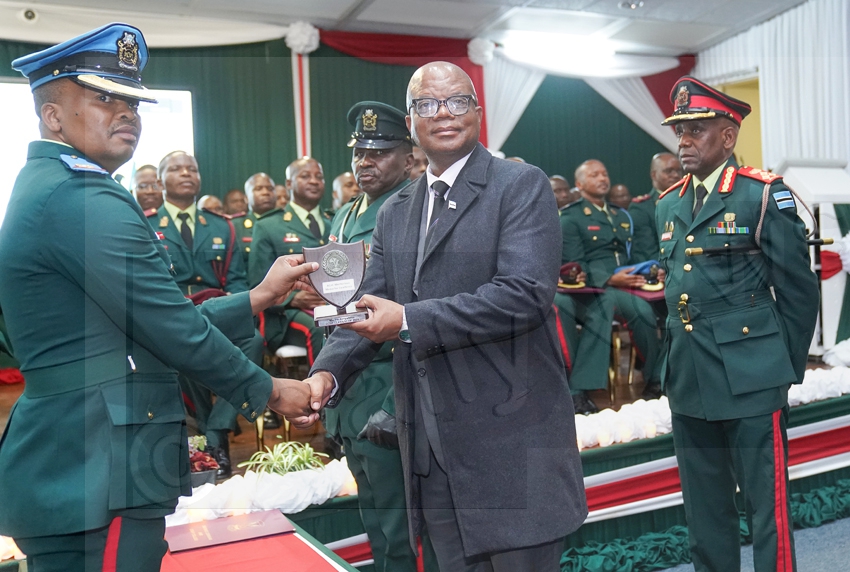
A key highlight of the event was the presentation of the best research paper award to Major Kehumile Modimoosi, whose work focused on the assessment of psychological stress on officers returning from war zones.
Inspired by her role as a mother, Major Modimoosi’s research shed light on how post-deployment challenges can significantly affect an officer’s cognitive mentality and prevent them from executing their duties effectively.
She emphasised that there was critical need for the organisation to formally address traumas, noting her focus on the issue of extended separation from families and the subsequent difficulty of reintegration due to changed family dynamics.
Major Modimoosi acknowledged the BDF’s proactive measures, including established programmes to assist remaining families and conducting orientations prior to deployment.
Meanwhile, the graduating cohort comprised 60 officers, a group that included civil servants from local institutions like the Ministry of International Relations, Botswana Police Service and the Directorate on Corruption and Economic Crime.
The cohort included military officers from Lesotho, Kenya, Malawi, Nigeria, Rwanda, Zambia and Zimbabwe.
-
BOB Maintains 3.5 Per Cent Monetary Policy Rate
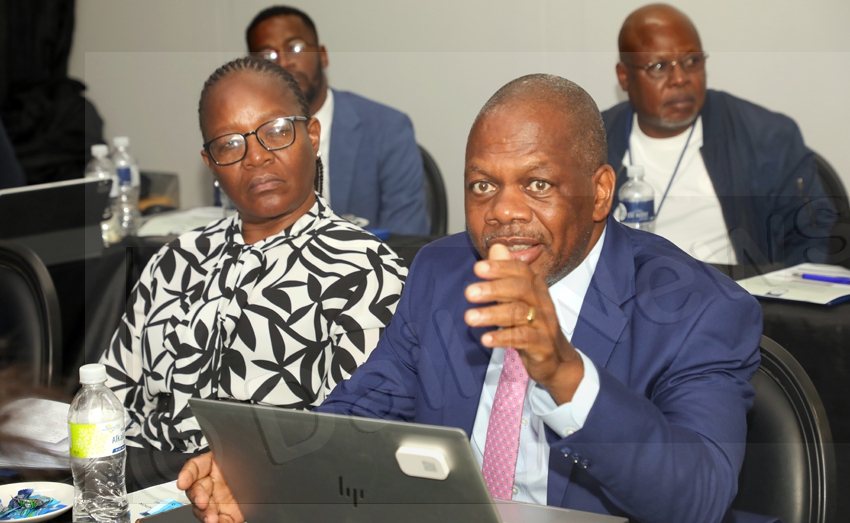
The Bank of Botswana (BOB) has maintained the Monetary Policy Rate at 3.5 per cent, citing the need to manage inflation and support economic stability. Speaking during a Monetary Policy Committee (MPC) media briefing Governor Moseki said the MPC met at a time when the global economy continued to face shifting trading patterns and heightened geopolitical tensions.
Despite these challenges, he noted that the global economy had shown stronger-than-expected resilience in 2025.
“Domestically, increased uncertainty and continued weakness in the diamond market have put pressure on Botswana’s fiscal and external buffers,” he said.
Looking ahead, Mr Moseki stressed that accelerating growth-enhancing initiatives and economic diversification efforts, as outlined in the Botswana Economic Transformation Programme (BTEP) and National Development Plan 12, was essential for supporting a sustainable recovery in 2026.
He added that Botswana’s strong institutions and sound macroeconomic policy framework provided an opportunity to attract investments capable of driving economic transformation.
The Governor also revealed that Botswana’s real Gross Domestic Product (GDP) contracted by three per cent in the 12 months to June 2025,a sharper decline compared to the 0.6 per cent contraction reported at the end of 2024.
“The weak performance was mainly due to the continued contraction in mining output and subdued non-mining sector activity,” he explained.
On inflation, Mr Moseki said headline inflation rose slightly from 3.7 per cent in September to 3.9 per cent in October 2025, remaining within the medium-term objective range of three to six percent.
“The marginal increase in inflation was attributable to higher price increases for alcoholic beverages, tobacco and transport, mainly due to price pressures stemming from the July 2025 adjustment of exchange rate parameters,” he noted.
The MPC forecasts inflation to increase into medium term averaging 2.7 per cent in 2025 and 5.3 per cent in 2026. However, Mr Moseki cautioned that the overall risk of inflation exceeding current projections remains elevated.
He added that the economy is expected to continue operating below full capacity in the short to medium term, which should limit demand-driven inflationary pressures. The Governor announced that the MPC has also directed that the seven-day Bank of Botswana Certificates, repos and reverse repos will be conducted at the policy rate of 3.5 per cent.
The standing deposit facility (SDF) rate will remain at 2.5 percent with 100 basis points below the policy rate. Commercial banks have been instructed not to increase their prime lending rates.
-
BEC to Issue New BGCSE Certificate
The Botswana Examinations Council (BEC) is in the process of developing a new Botswana General Certificate of Secondary Education (BGCSE) certificate, as the education parastatal will no longer be offering joint certification with Cambridge University Press and Assessment (CUPA).
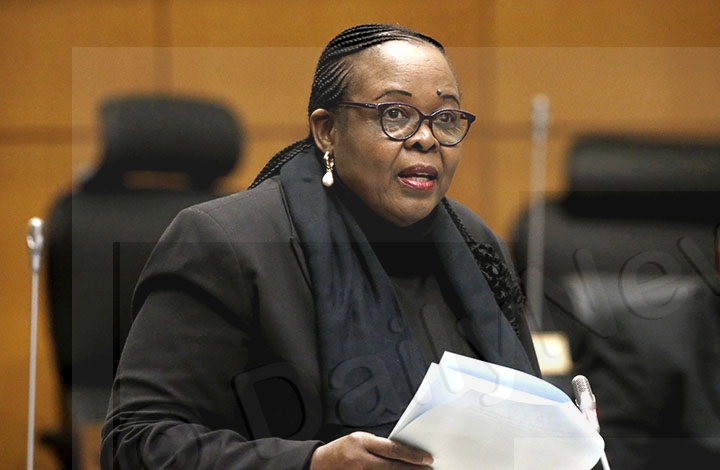
This was revealed by the Minister of Child Welfare and Basic Education, Ms Nono Kgafela-Mokoka while delivering a statement in Parliament on December 4.
Ms Kgafela-Mokoka said subsequent to a BEC board resolution of August 2024 to approve a strategy to gradually withdraw from the CUPA Accreditation with Certification contract, a decision, which was endorsed by cabinet in October, BEC entered into a new contract with the British institution.
“BEC entered a three-year Accreditation without Certification contract. This was done to ensure that BEC continues to receive independent quality assurance of the assessment operations for the delivery of credible qualifications. This is a scaled down contract, which will cost about £562 000 (P10 million) annually compared to the previous contract, which cost P27 million annually,” Ms Kgafela-Mokoka said.
She clarified that the amendment of the contract meant that from the 2025 examination series, BEC and Cambridge would no longer issue a joint certificate to BGCSE candidates and that BEC would independently design and issue a new certificate under their own authority.
Ms Kgafela-Mokoka said the BEC board had approved the new design of the 2025 BGCSE certificate at their sitting in August, and that the current Accreditation without Certification CUPA contract would run until the 2027 examination cycle.
“While the down scaled quality assurance contract is running, BEC has begun the process of identifying a local partner with capacity to assume the role of external quality assurance to the BEC qualifications starting 2028 examination cycle,” Ms Kgafela-Mokoka said.
She said external quality assurance of assessment processes was critical as it ensured that standards for both the assessment and its associated curriculum did not drift overtime as well as instilling confidence stakeholders had in the qualification.
Ms Kgafela-Mokoka said BEC, a parastatal under the ministry, was mandated to manage and conduct examinations and assessments in general education, technical vocational education and training and to award certificates in respect of the said examinations and assessments.
She further said the BEC and CUPA partnership dated back to the time BEC functions were operated by the Examinations, Research and Testing Division division of the then Ministry of Education.
Over the years CUPA assisted government to replace the then Cambridge Overseas School Certificate (COSC) by developing a localised qualification that was recognised internationally and also equivalent to International General Certificate of Secondary Education (IGCSE) as recommended in the Revised National Policy on Education of 1994.
This led to the establishment of the (BGCSE).
Further to developing BGCSE, CUPA was to monitor the application of assessment standards across all examination processes on a yearly basis to ensure that the BGCSE qualification maintains international recognition and global competitiveness.
From 1999 to 2011 the ERTD and later BEC, worked in collaboration with CUPA across all examination processes.
“Since inception of the relationship, BEC pays an annual fee that is currently around £1,400 000, about P27 million, subject to exchange rate at the point of payment. The main cost driver in this agreement is certifying at individual candidate level. The cost has escalated to a level that is unsustainable to BEC. Further to that, BEC has matured overtime and now has the capacity to conduct some of the examination processes without support from CUPA. It is on the basis of the forgoing that the council found it prudent to scale down further and gradually withdraw from the accreditation agreement,” Ms Kgafela-Mokoka said.
She stressed that other than the engagement of local external quality assurance, BEC would participate in the regional quality assurance processes of the Southern Africa Association for Educational Assessment (SAAEA), a network of Southern African examination bodies.
Ms Kgafela-Mokoka said the ministry and BEC would engage in stakeholder engagement.
Commenting on the update, Molepolole North MP, Mr Shima Monageng was concerned that learners should be paying less examination fees since BEC would be paying less to CUPA.
Kanye North legislator, Mr Prince Mosasana raised a further concern of BEC being a parastatal engaging teachers to assist with the invigilation and marking of examinations but their payments occasionally being processed late.
-
Refreshed DailyNews Receives Thumbs Up
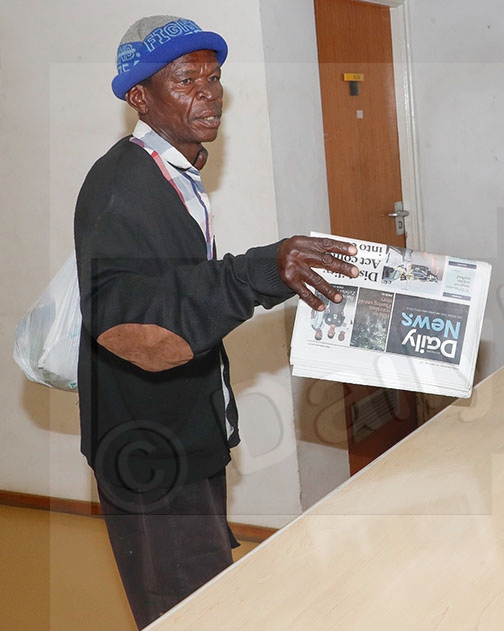
Readers warmly embraced the revamped DailyNews newspaper, with many celebrating it as a modern and more engaging evolution of a paper that has long shaped Botswana’s public conversation.Among those impressed were Mr Duncan Balothanyi and Mr Benson Goatweng, who both applauded the cleaner layout, richer visuals and expanded editorial depth, noting that the refreshed design felt more contemporary while still honouring the publication’s heritage. Their reactions echoed a broader public sentiment that the new look not only revitalised the reading experience, but also reinforced the DailyNews’ enduring role as a unifying national voice and a platform for storytelling across the country.
-

Disability Act Comes to Effect
The Minister for State President, Mr Moeti Mohwasa has declared the official commencement of Persons with Disability Act of 2024, which aims to advance the rights of persons with disabilities and promote inclusion and equal opportunities.
He said in addition to aligning with the United Nations Convention on the Rights of Persons with Disabilities, which Botswana was party to, the legislation also resonated with the government’s commitment to being human rights-based.
“This historic moment signifies that the rights of persons with disabilities are now fully recognised and enforceable under the law,” said the minister at the UN International Day of Persons with Disabilities Commemoration held in Jwaneng yesterday.
Consequently, Mr Mohwasa noted that the official commencement of the Act implied that the Disability Coordination Office and the National Disability Council were fully operational, while the regulations defining a person with disability had been finalised. He noted that this development paved way for the effective implementation of the statute, urging all institutions to immediately align their operations with the Act.
The Minister underscored the need to adopt inclusive programmes through providing accessibility in all public buildings and transport to cater for persons with disabilities, as well as getting rid of all barriers that were against the new framework.
“With the Act now in force, we call on all institutions, communities and citizens to take immediate action. Public buildings, businesses and transport must meet accessibility standards. All forms of communication must be inclusive and the attitudinal barriers that hinder full participation must be dismantled,” he said.
Furthermore, Mr Mohwasa implored persons with disabilities to unapologetically stand by their rights as espoused by the law and utilise all opportunities availed to them. He also appreciated the role played by care givers of persons with disabilities.
However, while he appreciated that Botswana had made strides in advancing the rights of all citizens, he said there was need for further action to close all gaps to ensure no one was left behind.
“We are committed to creating systems that respond to the need of every citizen, particularly those who are historically faced with barriers to opportunities,” he said.
For her part, the Disability Coordination Officer Director, Ms Peggy Garebaitse noted that creating an inclusive society called for celebrating diversity and promoting full participation of persons with disabilities.
She noted that this also extended to ensuring equal access to health services, education and social protection, among other essentials for the benefit of the larger society.
“Inclusive societies amplify the voices of the marginalised groups, empowering them to contribute to sustainable development and advancement of human rights,” she noted.
Ms Garebaitse said Botswana had a significant number of persons with disabilities, and therefore excluding them from full participation was tantamount to hindering the collective growth of the country. The commemoration was held under the theme: Fostering Disability-Inclusive Societies for Advancing Social Progress.
-
Refreshed DailyNews Legacy of Nation-Building
Founded with the clear ambition to drive and document Botswana’s development across infrastructure, politics, technology and entertainment, the DailyNews has a storied history, chronicling the nation’s journey from its pre-colonial days as the Bechuanaland Protectorate to its post-independence growth.
On December 2, a refreshed look of the DailyNews and an expanded editorial vision, one designed to elevate feature storytelling and amplify voices from across Botswana, was launched in a bold rebrand that honoured its origins while embracing modern journalism.
Telling its story, the former DailyNews managing editor, Mr Keboeletse Nkarabang, who served from 1973 to 2004, recalled that the publication started from a single A4-sized page and had since navigated challenges, celebrated milestones and continued to thrive as a vital voice in the country.
Mr Nkarabang said the latest relaunch was set to strengthen that legacy further.
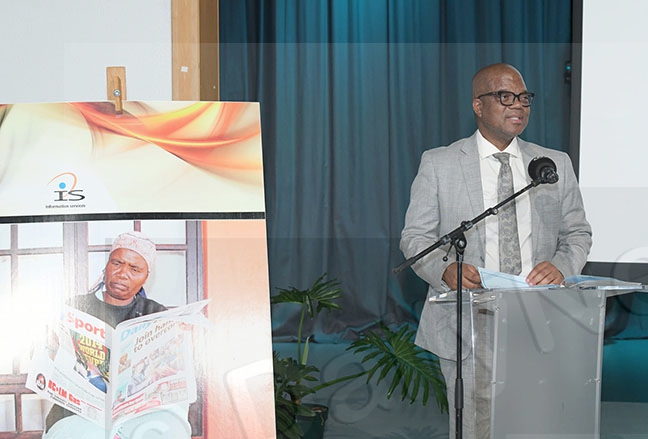
Delivering the keynote address, Minister for State President, Mr Moeti Mohwasa, said for decades the DailyNews had informed, guided and inspired generations while connecting government to citizens.
With its new design, enhanced editorial focus and increased space for citizen perspectives, Mr Mohwasa said the publication would now be a platform for dialogue, reflection and participation for every Motswana.
The Minister also lauded the newly launched Mass Media Website, which brings together all government media – BTV, Radio Botswana, Kutlwano and Daily News, into a single and mobile-friendly digital destination.
He indicated that commercialising government media would generate revenue, foster partnerships and enable reinvestment into quality local content production.
“Today is not simply about launching a newspaper or a website, but about making a statement that government media will not only inform, but inspire and create history while preserving it,” said Mr Mohwasa, adding that the media belonged to the entire nation and not any single entity.
For his part, secretary for public administration in the Ministry for State President, Mr Richard Molosiwa, said the new DailyNews design amplified the paper’s long-standing mandate to inform and educate, this time with a fresh, competitive and contemporary appeal.
Mr Molosiwa noted that the strengthened editorial approach, featuring deeper analysis and richer visual storytelling, will reinforce the DailyNews’ role as a platform for digital dialogue and community engagement nationwide.
On the Mass Media website, Mr Molosiwa highlighted its advantage as an integrated hub for all government media content, positioning it strongly in an evolving media landscape and establishing government media as a central pillar in the creative industry.
“The goal is to generate new revenue, reinvent content and ensure that government media remains strong, modern and supportive of Botswana’s creative sector,” he said.
-
MAELE Urges African Universities to Lead Development
African higher education leaders have been urged to strengthen university leadership, deepen collaboration and accelerate innovation to help drive the continent’s socio-economic transformation.
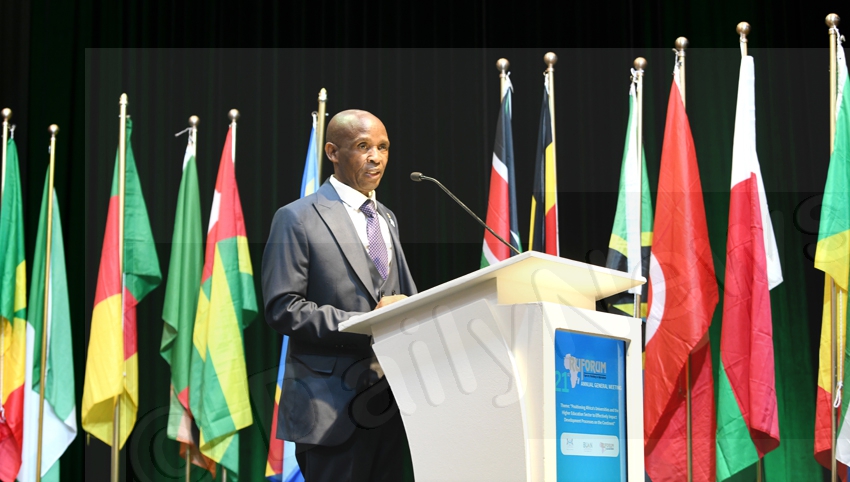
Speaking at the 21st Regional Universities Forum for Capacity Building in Agriculture (RUFORUM) Annual General Meeting (AGM) in Gaborone on Monday, Minister of Higher Education Mr Prince Maele said Africa’s development challenges demanded a new model of university engagement, one that moved beyond traditional roles and prioritises real-world impact.
He identified youth unemployment, climate change, food insecurity, low value addition, sluggish economic growth and rising insecurity as persistent barriers undermining Africa’s progress.
“Our science output must receive a catalytic boost. Universities must evolve from centres of teaching and research into mission-driven institutions that generate solutions, technologies, products and services aligned with national and regional priorities,” he said.
Minister Maele described the conference theme: Positioning Africa’s universities and the higher education sector to effectively impact development processes on the continent as timely and forward-looking, reflecting growing recognition that African universities must be more proactive in shaping national and regional development.
“The theme clearly recognises that it is through innovation that higher education can build resilient societies and advance economic development,” he added.
Mr Maele challenged institutions to lead Africa’s transition to a green and climate-resilient economy, noting that the continent currently secured only 3.6 per cent of global climate finance, far below what was needed.
He urged universities and the private sector to critically assess the bottlenecks limiting Africa’s participation in global climate financing and to scale efforts to attract investment into clean energy, climate-smart agriculture and green job creation.
The minister also commended long-standing development partners, including the Mastercard Foundation, Bill & Melinda Gates Foundation, the African Development Bank and the World Bank, for sustained investment in Africa’s higher education sector, and appealed for continued support to help build work-ready graduates and resilient economies.
Botswana University of Agriculture and Natural Resources (BUAN) Vice Chancellor Professor Ketlhatlogile Mosepele echoed the call for cohesion and purposeful partnerships, describing the conference as “a historic convergence of knowledge, action and purpose.”
Prof. Mosepele stressed that Africa’s agricultural and higher education transformation depended on stronger collaboration between universities, governments, communities and industry.
He urged public universities to demonstrate measurable impact and ensure society received a meaningful return on investment.
He further said universities must redesign curricula, embed entrepreneurship, strengthen inclusion for women and youth, and ground research in real community challenges.
Prof. Mosepele also highlighted digital transformation and leadership development as critical levers for building globally competitive African institutions.
The five-day meeting has attracted delegates from 175 universities across more than 40 African countries, with discussions focusing on higher education reform, climate-responsive agriculture, innovation ecosystems and strategies to strengthen Africa’s human capital for sustainable development.
As the conference progresses, leaders have reiterated that Africa’s universities were not just academic institutions as they were vital engines for innovation, resilience and economic growth.
-
Young People at Risk of HIV Infection
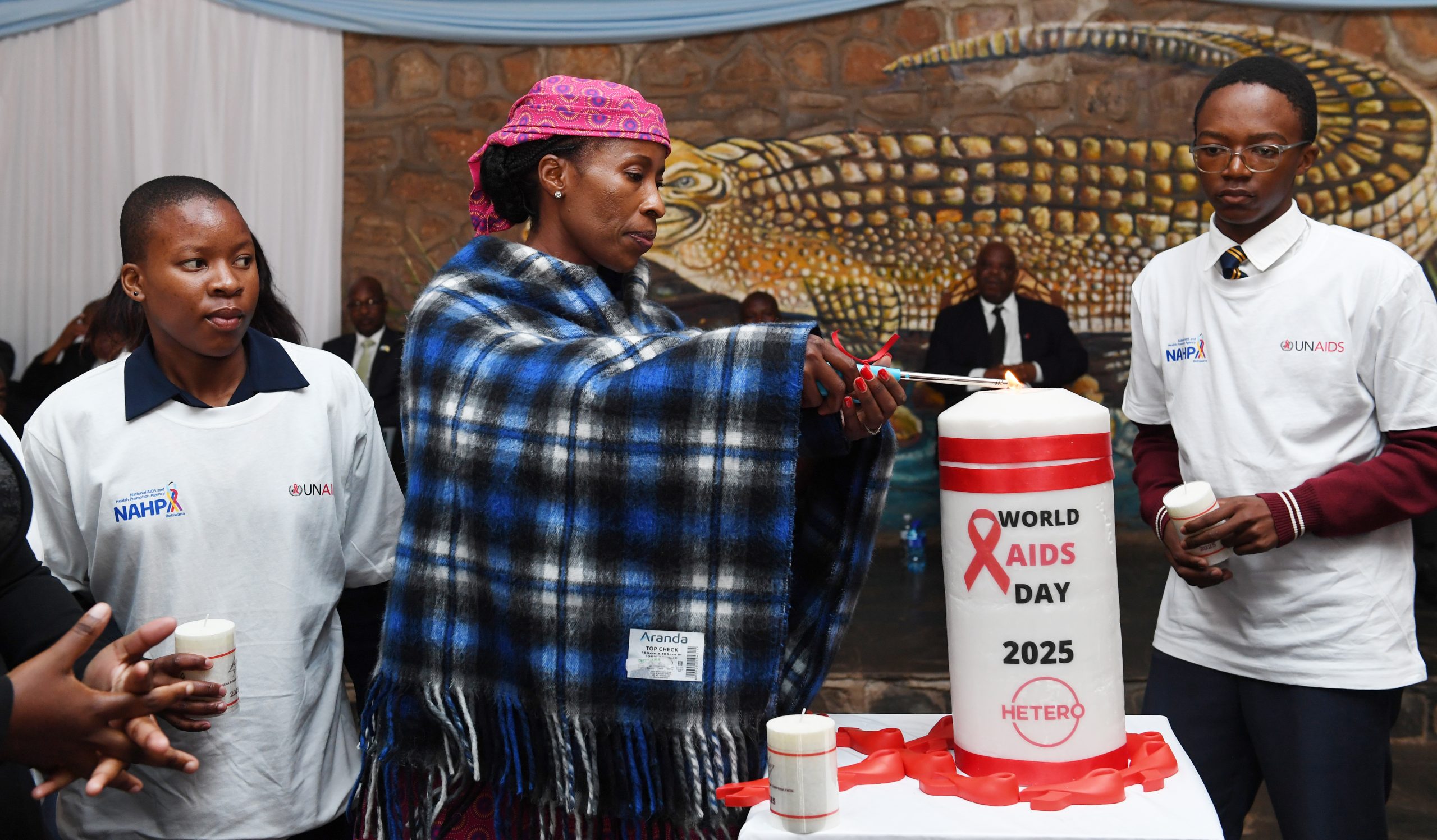
KANYE – Alcohol and substance abuse have been identified as major drivers of new HIV infections in Botswana, particularly among young people, the Minister of Health Dr Stephen Modise warned during the national World AIDS Day commemoration held in Kanye yesterday.
In 2024, an estimated 4 120 people contracted HIV in Botswana. Of these 1 118 cases representing 27 per cent occurred among adolescent girls and young women aged 15–24.
Minister Modise highlighted a worrying decline in condom use among the youth. “Young people face challenges in negotiating safer sex due to power imbalances, limited access to HIV prevention information, and scarce resources especially in remote areas,” he said.
Dr Modise announced that the Ministry of Health would intensify targeted prevention programmes for adolescent girls and young women, as well as key populations and young men, to close the remaining gaps in achieving the UNAIDS 95-95-95 targets.
Botswana has already reached approximately 95-95-95 status seven years ahead of the 2030 deadline with 95 per cent of people living with HIV knowing their status, 95 per cent of those diagnosed on treatment, and 95 per cent of treated individuals virally suppressed.
This year’s World AIDS Day theme: Overcoming disruption, transforming the AIDS response, reflects recent global funding uncertainties that have disrupted Botswana’s HIV prevention and treatment services. Dr Modise urged all stakeholders including government, civil society, faith-based organisations, the private sector and development partners to innovate new resource-mobilisation strategies and eliminate wastage in health service delivery.
He stressed the need to protect hard-won gains and prevent any regression in the national HIV response.
The minister also drew attention to the growing threat of non-communicable diseases (NCDs). Conditions such as diabetes, cancer, cardiovascular diseases and chronic respiratory illnesses now account for over 70 per cent of global deaths (41 million annually).
Lifestyle changes linked to urbanisation, including tobacco use, excessive alcohol consumption, unhealthy diets and physical inactivity, were driving a similar rise in NCD risk factors in Botswana, said Dr Modise.
In a separate announcement, the minister assured Kanye community that the long-awaited district hospital was envisaged to be delivered through a public-private partnership model despite current economic challenges.
United Nations Acting Resident Coordinator, Mr Malviya Alankar, commended Botswana’s leadership in the regional and global HIV response but warned that the country could not afford complacency.
With around 4 000 new infections annually and one in five adults living with HIV, he described the current infection rate as “unacceptable” for an upper-middle-income country.
Mr Alankar emphasised that ending AIDS by 2030 required more than health services alone; it demands education, sustainable livelihoods, human rights, gender equality, community engagement and strong multi-sectoral partnerships. World AIDS Day 2025 served as both a remembrance of lives lost to HIV/AIDS and a renewed global pledge to end the epidemic once and for all.
-
Forensic Land Audit to Cover Land Allocations
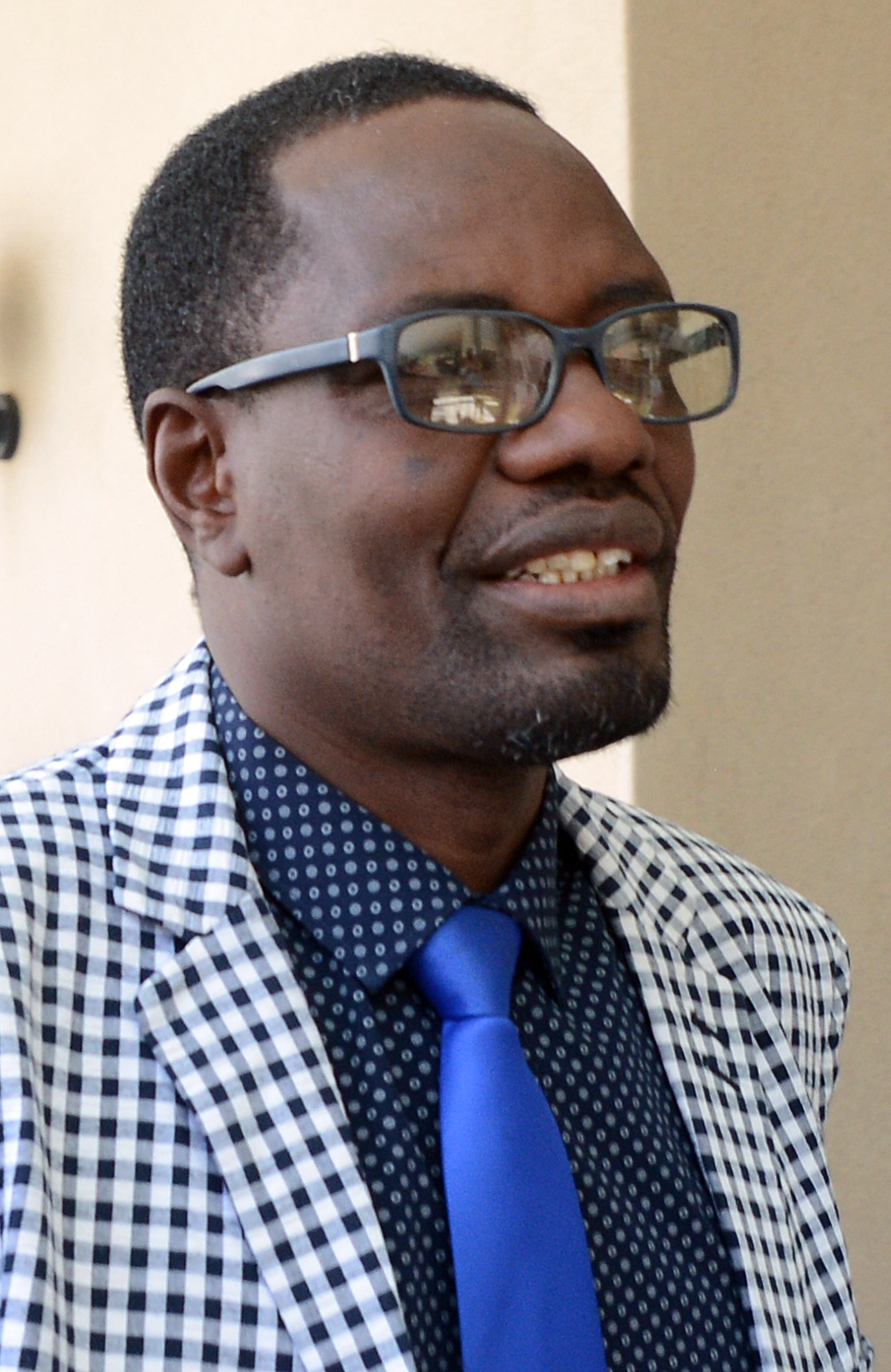
The National Assembly on Friday voted in favour of a motion by Mogoditshane East MP, Mr Letlhogonolo Barongwang for a forensic land audit to cover land allocations in across the country over the past 15 years.
Legislators from across the parliamentary isle were unanimous in approving Mr Barongwang’s motion, ‘that this honourable House requests government to consider instituting a forensic land audit in Botswana covering all land allocation in the past 15 years covering land board officials and employees; councilors, MPs and tribal administration senior staff.’
Mr Barongwang had initially intended the land audit to focus on Mogoditshane, but fellow legislators, including Maun West MP, Mr Caterpillar Hikuama and the Minister of Labour and Home Affairs, Major General Pius Mokgware called for it to broadly cover land boards across the country.
Voicing his support for the motion, Assistant Minister of Trade and Entrepreneurship, Mr Baratiwa Mathoothe, speaking on behalf of the absent Minister of Lands and Agriculture, Dr Edwin Dikoloti confirmed that the historical problem of land in Mogodishane had not been addressed over the past few decades.
He pointed to the Kgabo Commission of 1991 which reviewed the extent of unauthorised allocation of land in Mogodishane and other peri-urban villages, culminating in the government white paper number one of 1992.
He further alluded to the 2021 dismissal of 38 Mogoditshane sub-land board employees on account of fraudulent land dealings and insider trading.“Following the Kgabo Commission, efforts were made to address the maladministration and related corruption, in part resulting in the formation of the Directorate on Corruption and Economic Crime (DCEC). The Land Tribunal is among those institutions seized with fighting this malaise and providing a platform for recourse,” said Mr Mathoothe.
He added that the Kweneng Land Board had two posts of deputy land board secretary and a programme on the construction of record centres, intended to assist with dealing with the land administration and governance challenges.
“The Ministry of Lands and Agriculture has received representation from individuals and groups registering complaints against the land board. Internal audits have revealed issues of plots with no evidence of allocation, double allocations, abandoned plots, those that remained undeveloped for years as well as encroachments,” said Mr Mathoothe.
He thus said the ministry responsible for lands supported the motion as efforts to solve the land challenges of Mogoditshane and other peri-urban areas could not be more appropriate as they had lingered on for decades.
The Minister of Water and Human Settlements, Mr Onnetse Ramogapi said land transfers were a major challenge in Mogoditshane. He recalled at the turn of the century, then President Mr Festus Mogae and former Cabinet minister, Mr Jacob Nkate had to attend to frustrated Mogoditshane residents who had resorted to squatting in areas such as Nkoyaphiri and Tsolamosese.
Mr Ramogapi said some people spent decades awaiting for their plot allocations to be approved, while others got theirs processed quicker due to favoritism and maladministration.Gabane-Mmankgodi MP, Mr Kagiso Mmusi said there were many complaints that reached his constituency office regarding land allocation challenges. Among these, as greater Gaborone grows, he said people in the periphery of the capital were encouraged to handover their farming lands to convert them to residential plots, which reduces their food security.
Mr Mmusi said many plots allocated by land boards ended up in the hands of foreigners, whereas tribal land was generally intended for emancipating citizens.
The mover of the motion, Mr Barongwang proposed that after being passed, action should be promptly taken to follow up the implementation of the land audit in order to resolve the land allocation challenges that had plagued the country.