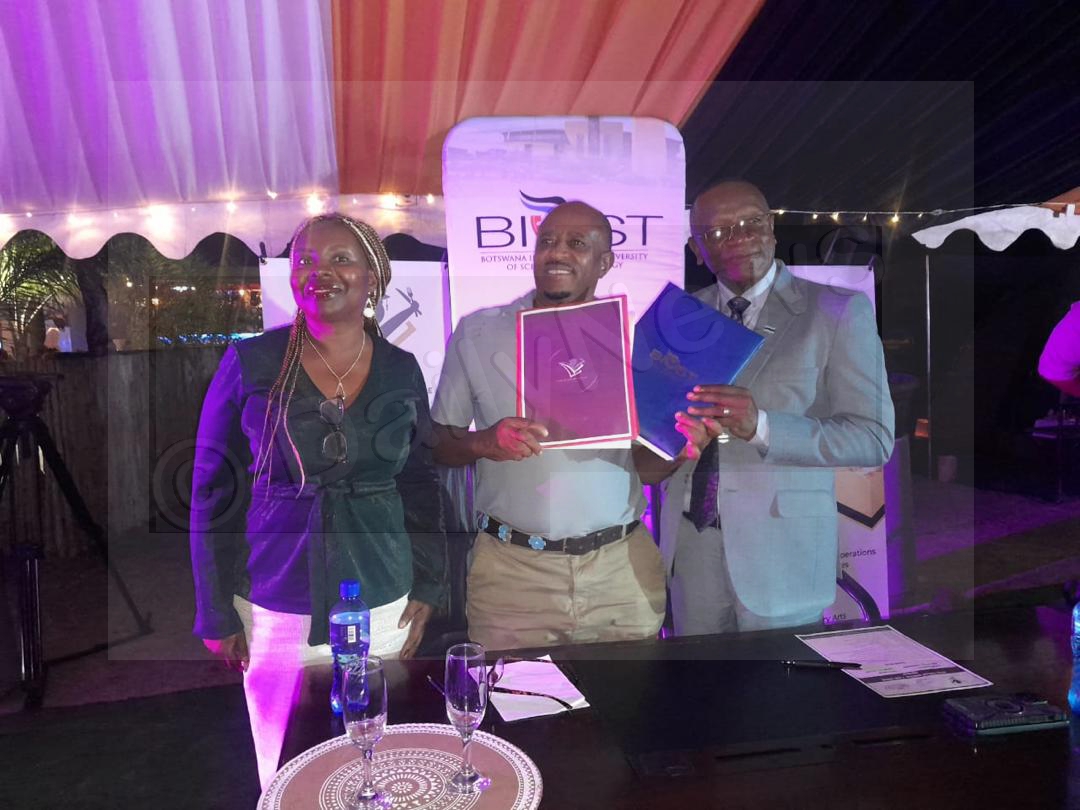
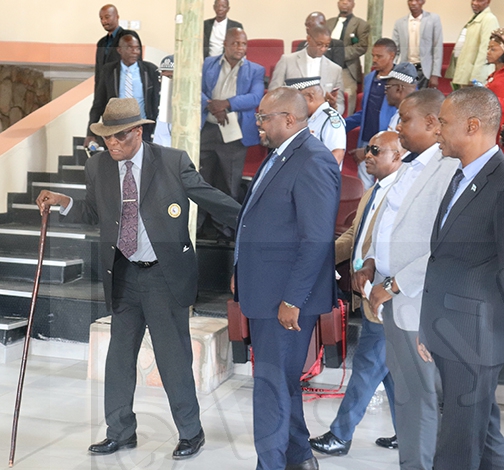
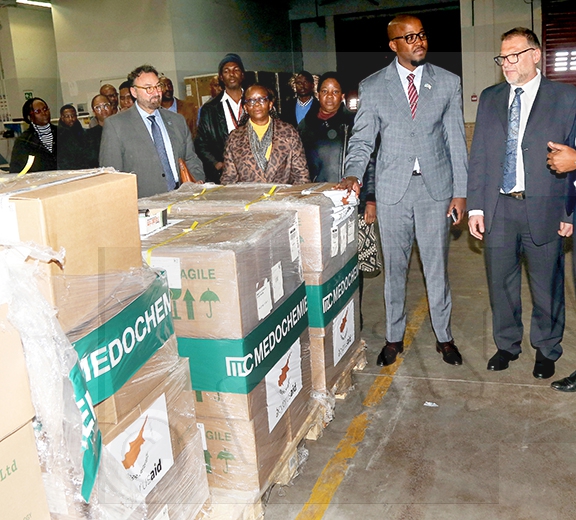
Botswana International University of Science and Technology and Career Dreams Center in Maun have entered into a partnership to promote and develop astro- tourism as niche tourism product.
Astro-tourism combines science with tourism and it promotes environmental conservation, boosts local economies and fosters cultural appreciation of the night sky.
Both institutions signed a memorandum of understanding (MoU) which provides a framework for joint training programmes, workshops, short courses and field-based activities in astronomy and dark-sky tourism.
Speaking at the signing ceremony on Friday, BIUST Vice Chancellor, Professor Otlogetswe Totolo revealed that through the partnership, they wished to strengthen their role in astronomy outreach by working hand-in-hand with Career Dreams to develop marketable tourism experience for both the national and international clientele by introducing astro-tourism into the complex.
The agreement, he said brought together BIUST’s scientific and outreach expertise with Career Dreams’ experience in tourism training, guiding, and stakeholder engagement.
“Together, we aim to create tourism products and learning experiences that are scientifically sound, culturally grounded, and economically sustainable, including the integration of indigenous astronomy knowledge as part of Botswana’s rich heritage and storytelling traditions” he added.
Career Dreams Center managing director, Mr Kenneth Karanja appreciated that the MoU signified more than just a formal agreement between two institutions but represented a shared vision, a strategic partnership and collective commitment to innovation, education and national development anchored in science, tourism and community empowerment.
A key pillar of the collaboration, he said was capacity building through education and training noting that as the centre, they were committed to building astronomy knowledge and sky interpretation skills among tourism students, tour guides and community facilitators.
“By doing so, we enhance the quality of tourism services, open new career paths and equip communities with specialised skills that support inclusive economic participation,” he added.
Author: Daily News
-
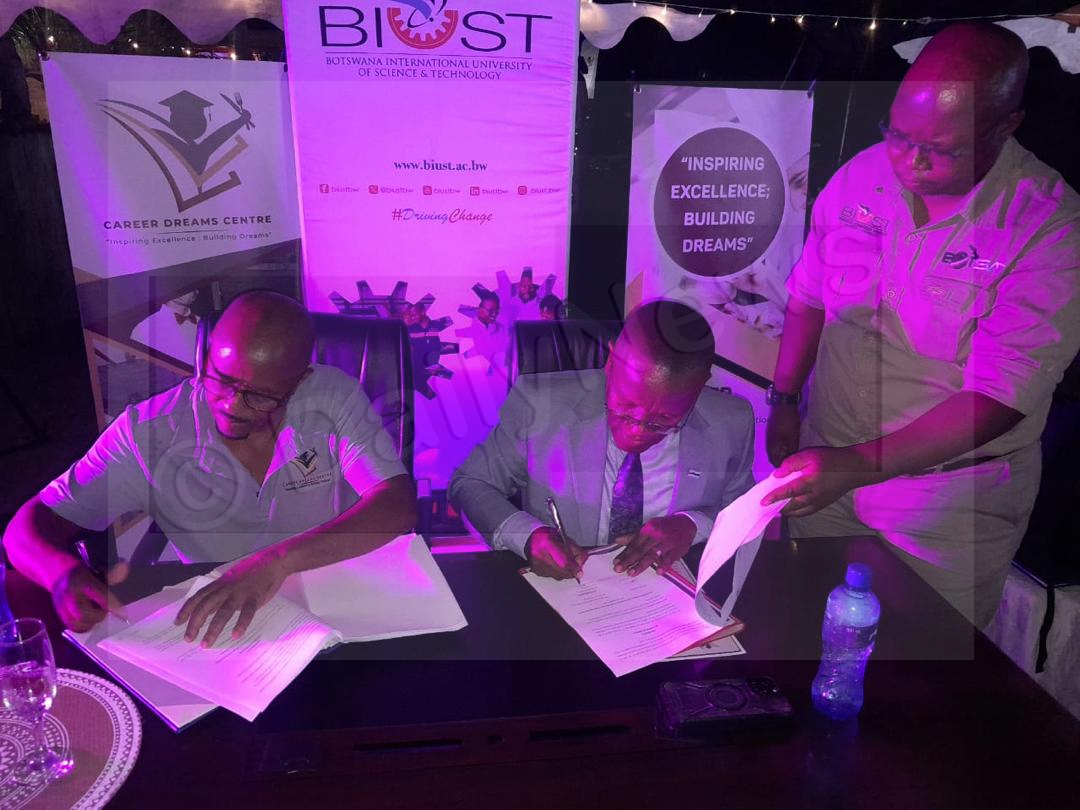
BIUST Career Dreams Center sign MOU
-

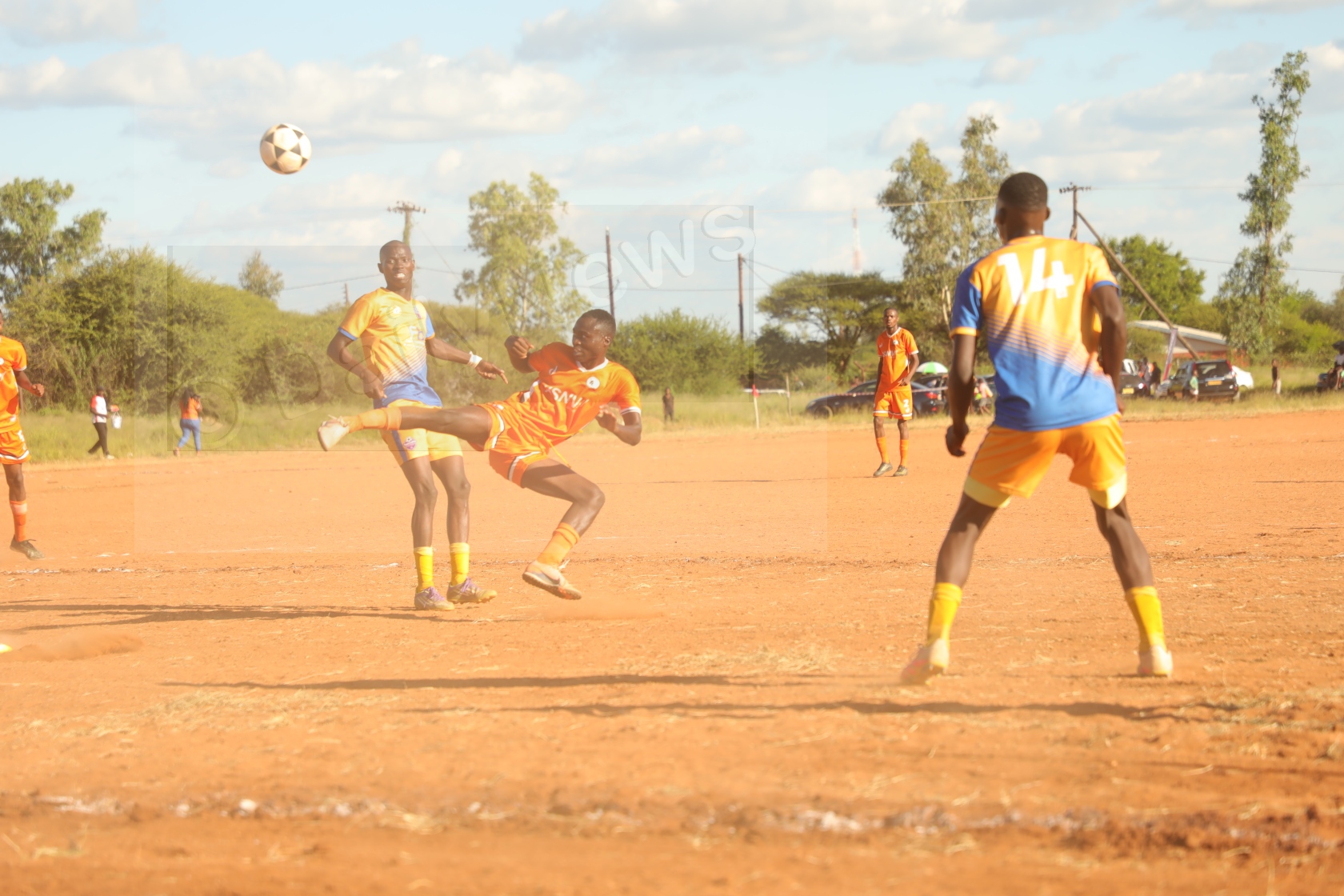
Tonota FC and Tsabotlhe FC share spoils in a goalless draw
he First Division North league’s top of the table encounter, which was played in Tonota today, finished goaless, with Tonota FC and Tsabotlhe failing to break the deadlock.
The outcome appeared equitable for both sides, with Tonota FC, the current league leaders and hosts, missing several golden opportunities during the first half. Despite creating numerous chances, the players from Tonota FC squandered clear-cut opportunities.
In the opening 15 minutes, Tsabotlhe FC showcased strong defensive skills, with their goalkeeper effectively shutting Tonota FC’s attempts to score.
Tsabotlhe FC responded well to the pressure from the home team, ensuring that no goals slipped past them. The first half remained intense as both teams battled fiercely for goals but were unsuccessful.
The second half commenced 20 minutes late and saw Tonota FC intensifying their efforts. However, Tsabotlhe FC’s defense remained resilient.
The visiting team also had a few opportunities to take the lead, but Tonota FC’s goalkeeper stood firm. As time wound down, it appeared that a draw was a fair result for both teams.
In a post-match interview, Tonota FC Coach, Thaloba Nthaga stated that they had overall control of the game and had opportunities in the first half but lacked clinical finishing, which resulted in the draw.
He emphasised that the match was crucial for them as they aimed for three points and was pleased to maintain their lead, indicating that if they continued this performance, they could secure the league title early.
Tsabotlhe FC Coach, Botshelo Pelokgosi said it was commendable to earn a point from such a closely contested match.
Coach Pelokgosi felt that the game could have swung either way. He adopted a defensive strategy for this away match and relied on counterattacks, however, his opponents also defended well, leaving little space for his players to generate chances. He praised his team’s execution of their tactical plan.
Tonota FC remains unbeaten at the top with 34 points, while Tsabotlhe FC holds onto second place with 26 points.
In other matches within the First Division North league, Tshikinyega FC and Enesia FC played to a 1-1 draw, Eleven Angels triumphed over BR Highlanders with a score of 2-1, Mbalakalungu SC defeated Ferry Wanderers by 2-1, Ndundu Young Fighters FC edged out JJ United FC with 3-2, and Sankoyo Bush Bucks secured victory against Motlakase Power FC by 2-1.
-
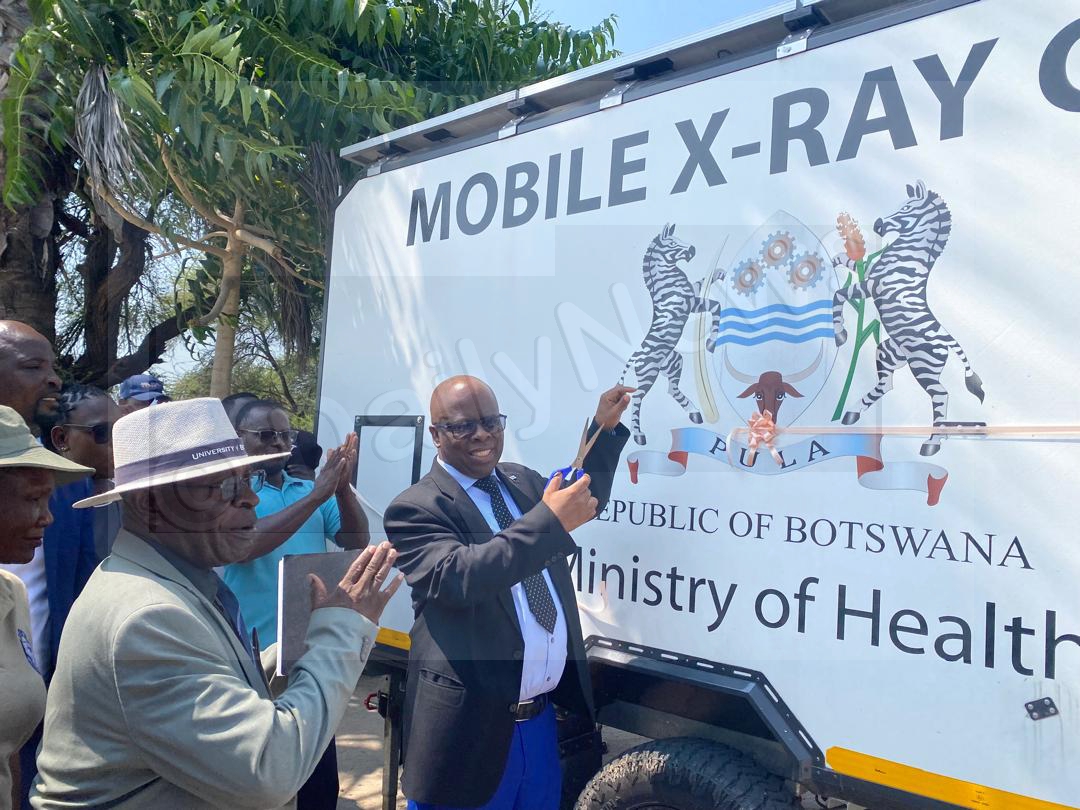
X-ray mobile clinic ray of hope for Okavango
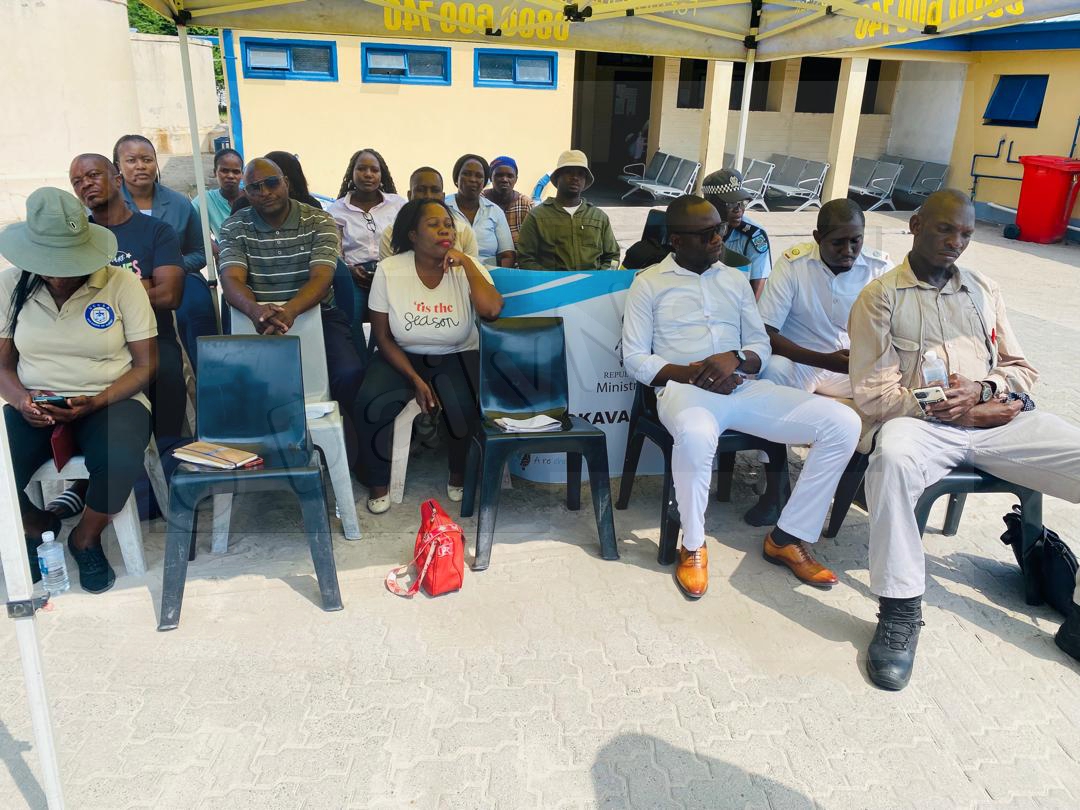
A handing over of mobile X-Ray to Gumare Primary Hospital on Saturday was described by various speakers as evidence of government commitment to addressing healthcare challenges.
The Okavango District, being vast, with wetlands and bad terrains, has perculiar challenges that negatively impact access to services such as healthcare services.
Absence of these key services, including X-Ray machines in Gumare, despite being the district’s headquarters, meant residents of Okavango faced hardships and expenses. Some communities, such as Gudigwa in the Eastern Panhandle of the Delta, are about 306 kilometres away, while remote villages like Xaixai and Nxauxau are accessible by gravel roads, and Jao village lies in the floodplain reachable by air or boat only. As a result, patients were forced to travel to neighboring districts such as Ghanzi and North West in Maun to access these services.
In an interview, nominated councilor who represented the Okavango District Council chairperson, expressed gratitude for the X-ray mobile clinic as a worthwhile investment for the people of Gumare and Okavango as a whole since patients would receive the necessary services nearer. Councillor Osefelepelo Gaebolae said as a mobile clinic, the X-ray machine would also improve service delivery by being taken to other parts of the district when need arose.
Mr Gaebolae appreciated that of recently, a theater bed was also brought to Gumare hospital, saying such swift response from the government was commendable.
In his remarks, Kgosi Moitshepi Molelwa of Gumare observed that Gumare Primary Hospital had a portable X-ray machine which was only reserved for critical patients in need of X-ray. Therefore, he said the X-ray mobile clinic was a welcome development and proved government’s commitment to heed challenges facing the nation.
Kgosi Molelwa further decried that the proposed upgraded primary hospital for Gumare had been deferred since National Development Plan 9 to date, although the community had offered land for the project.
A resident, Ms Sofiya Qhumorozi expressed happiness that X-ray services were finally available in Gumare which would help them as patients to cut costs from seeking such services in Maun adding that they sometimes went and came back without the sought after services due to issues of high patients volume per day.
Gumare Primary Hospital family physician, Dr Ditiro Goitsemang said lack of crucial services such as X-ray machines overwhelmed health care officers since they had to refer patients as far as Maun while the roads were also bad leading to vehicles experiencing breakdowns in some instances.
For his part, the Assistant Minister of Local Government and Traditional Affairs, Mr Ignatius Moswaane said the government was committed to tackle challenges facing the health system.
He said the government would ensure Batswana received necessary healthcare services and other relevant services from other ministries.
He said ministers and assistant ministers went around the country visiting government institutions to appreciate challenges on the ground and provide support to public officers.
Mr Moswaane said the government would do an overhaul of the health system by providing necessary equipment and making lack of medicines a thing of the past.
The X-ray mobile clinic machine, he said was therefore a proof of government’s commitment to provide diagnostic equipment for patients to receive services nearer.
He said government continued to ensure medicines were available although not yet at 100 per cent. -
Concourt Important- Mohwasa
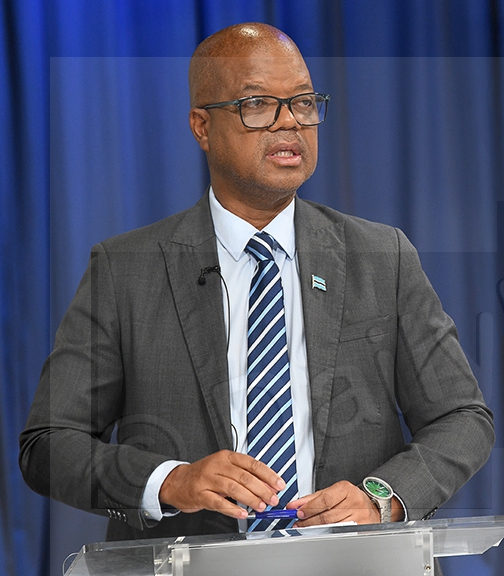
The process of amending the constitution takes time and it is more urgent to develop a Constitutional Court where the citizens and interest groups within society could find recourse on their constitutional rights.
This was said by the Minister for State President, Defence and Security, Mr Moeti Mohwasa while addressing religious leaders in Gaborone on Thursday, as part of the ongoing public and stakeholder consultations on the enactment of a Constitutional Court.
He said the Constitutional Court could address issues such as those aggrieved by land tenure systems, electoral petitions, and the right to be protected from infringement on religious freedom. He cited the example of the case of Mr Pitseng Gaborekwe whose wish was to be buried in his ancestral land, the Central Kalahari Game Reserve (CKGR) but his family was denied that right by the judicial system including the existing tribunal of last instance, the Court of Appeal.
Giving background, Mr Mohwasa said after consultation with political parties at the All Parties Conference the government bill on the Constitutional Court was noticed on July 4 2025.
The Constitutional Amendment Bill of 2025, which seeks to establish the Constitutional Court of Botswana, was presented by Minister Mohwasa in Parliament last December, and passed through a third reading, and will now require a two thirds majority vote in the National Assembly within the first three months of this year to become law.
Mr Mohwasa said government acknowledged that before the Constitutional Amendment Bill of 2025 was gazetted and tabled before Parliament, there should have been sufficient prior consultation.
He said the President recently admitted to that omission and asked for pardon from the Ntlo Ya Dikgosi, and the minister also expressed the same to religious leaders, citing that scriptural texts such as the Bible and the Quran preach forgiveness.
Mr Mohwasa said if the bill passed through a two thirds majority vote in Parliament, it would then be put to the public for an approval vote through a referendum.
He added that the UDC government was focused on uplifting the marginalised, and this had already manifested through increased old age pension scheme, the increase in the technical vocational education student allowance, relief on some outstanding water bills and tariff reductions.
He said the church had played a significant role in the struggle for the liberation of neighbouring South Africa and Zimbabwe, and called for the church to assist in the “parting of the Red Sea” and “bring down the walls of Jericho” to lead Batswana to the promised land.
Mr Modiri Tshutledi of the Botswana Muslim Association said there was a need to first address this loophole and develop and amended constitution after wide consultation and a referendum, before the Constitutional Court is adopted.
Bisho Mothusi Letlhage representing the Botswana Christian Council (BCC) also called for government to first work on exhausting the process of ammending the constitution before the Constitutional Court is developed.
Pastor Clyde Ketshabile of the Seventh Day Adventist Church said since the constitution was the supreme document that safeguards the interest of the nation, it was important for constitution to include clauses guarding the rights to health, education and the liberty of conscious, and institutions where people could find recourse if denied such rights.
Mr Japhta Radibe of Apostolic Faith Mission said government should not be in a hurry to introduce the Constitutional Court, and said he feared it could be used to pass reforms such as the abolition of the death penalty and corporal punishment as well as the introduction of same sex marriage.
He called for the bill to be withdrawn and wait for the constitutional review process.
Pastor Nchunga Nchunga said he supports the Constitutional Court since Batswana as a nation differ on many different constitutional matters and there was a need for an institution that would act as a fair arbiter on constitutional matters.
He said he did not subscribe to conspiracy theories of hidden agendas on the matter, saying that people have a tendency to allow their fears to generate unproven thoughts. Pastor Nchunga said he was also impressed by the humility of the President in apologising for the consultative process to having started late.
Rev Thabo Mampane of the Evangelical Lutheran Church in Botswana said he supports gay and lesbian rights as well as the the abolition of the death penalty and “100 percent” supports the Constitutional Court as an institution that could guarantee the rights of all within society.
He said he had previously been concerned about the pace with which the process was taking place but had been assuredd by the minister’s presentation
-
Debate on ConCourt invoke mixed reactions
The proposed establishment of a Constitutional Court through Constitutional Amendment Bill of 2025, has been a topic of significant debate, revolving around issues of legal framework, judicial independence and constitutionalism as well as prioritisation of needs.
Proponents of the Constitutional Court argue that it will enhance legal certainty and accountability by providing a specialised forum for constitutional disputes. They also believe it will contribute to the development of constitutional law in Botswana.
While opponents express concerns about the piece meal amendments instead of the holistic approach into the review of the country’s constitution. This week government consultations with various stakeholders, district councils and MPs kgotla meetings has revealed that the establishment of a constitutional court remains a complex topic.
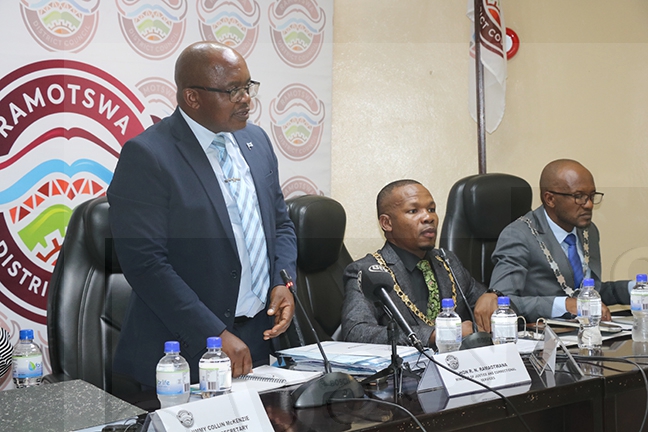
In Lobatse Calviniah Kgautlhe reports that Lobatse councillors have unanimous expressed support for the establishment of a Constitutional Court, with a call for its location to be set in Lobatse. They made the resolution during a special full council meeting addressed by the Minister of Justice and Correctional Services, Mr Nelson Ramaotwana, on Tuesday.
During their submissions, nominated councillor, Mr Kago Malele emphasised the importance of ConCourt in strengthening Botswana’s legal framework and democratic ideals. He stated that as the country moved toward electoral reforms, the establishment of the Constitutional Court was crucial for safeguarding the constitutional rights of its citizens.
Councillor Malele further argued that financial considerations related to the Constitutional Court’s budget should not hinder its establishment. He proposed that Lobatse, previously home to the Court of Appeal, was an ideal location for this new court, suggesting that it could revitalise economy in Lobatse, a sentiment echoed by his fellow councillors.
Kgaboesele Ward Councillor, Ms Mathara Moreeng highlighted the historical significance of Lobatse, noting that it was where Botswana’s Constitution was first read. She asserted that setting the Constitutional Court in Lobatse would stimulate much-needed development in a town that had lagged behind in progress.
The endorsement for the court’s establishment was supported by Thema/Motswedi Ward Councillor Mr Velem Heii, who said government was committed to human rights and the protection of minority groups. He noted that a specialised court would enhance accountability and help combat corruption at all levels of government.
Councillor Gofaone Kedise underscored the urgency of the ConCourt, saying it was long-overdue and was one of the Umbrella for Democratic Change (UDC) pledges in the manifesto. He recounted past instances where the High Court failed to address constitutional appeals, highlighting the necessity for its necessity to ensure justice for the populace.
Supporting the call, Tsopeng North Councillor Gobuamang Motlogelwa reiterated Lobatse’s historical significance in the drafting of the Constitution, insisting that the legacy must endure with the establishment of the Constitutional Court.
Minister Ramaotwana addressed councilors about the current limitations within the judicial system, noting that constitutional cases are presently handled by the High Court and the Court of Appeal, which lacked the specialised capacity needed. He reaffirmed the ruling party’s commitment to establishing a dedicated Constitutional Court to protect fundamental rights.
Kehumile Moekejo in Mabutsane captured the district council consultation meeting on Monday addressed by the Assistant Minister of Justice and Correctional Services, Mr Augustine Nyatanga.
While councillors acknowledged the relevance and the value of a Constitutional Court to the country’s judicial system, some councillors questioned the urgency of the Bill, as compared to other challenges the nation was currently facing. They argued that the process should be deferred and priority be given to issues, particularly considering the current fiscal challenges.
“The Constitutional Court is not an urgent matter, the government should focus on improving the health sector and investing in infrastructure development because that is what people currently need. Youth unemployment is very high and young people are expecting the government to create job opportunities for them, not the Constitutional Court,” said councillor Keberekile Pule of Mabutsane/Kanaku ward.
Mr Pule further noted that establishing the Constitutional Court would come with cost implications which would dent the already ailing economy.
Councillor for Sekoma, Mr Kekaetswe Mosarwa underscored the need for the government to focus on issues that needed urgent attention, such as availing medicines at health facilities across the country. He said the Constitutional Court could be deferred to a later date when essential services such as the health sector had stabilised.
Mr Mosarwa also emphasised the importance of exercising transparency when appointing judicial officers for the proposed Constitutional Court.
Specially nominated councillor, Ms Gorata Phakedi said introducing the Constitutional Court would align with the government’s stance of being human rights based. She said in addition to speeding up the judicial process, the court would contribute towards enhancing democracy.
“The Constitutional Court is very important because it will have independent judges as a way of enhancing democracy. The current judicial system is not sufficient to protect fundamental rights,” she said.
For his part, the deputy council chairperson, Mr Obakeng Melome said the time had come for people’s rights to be protected through the Constitutional Court. He said improving lives also meant reviewing laws and policies that created the red tape.
“A lot of people have been wrongfully convicted because all cases are handled by general courts,” he noted.
The Assistant Minister assured the councillors that the government was committed to providing services through all the sectors, hence various programmes had to run concurrently. He noted that while he acknowledged that the health sector was facing challenges, plans were underway to address them.
From Gamalete District Baleseng Batlotleng reports that councillors have called for a holistic and comprehensive constitutional review. In an meeting addressed by Minister of Justice and Correctional Services, Mr Nelson Ramaotwana as part of the nationwide consultative engagement on the establishment of the Constitutional Court.
Councillors expressed similar views on the proposed timing of the establishment of the ConCourt citing that more focus should be channeled to more pressing national issues like medicine shortages and dilapidated school infrastructure.
Taung East Cllr Mr Vincent Nawa said the way the proposed establishment was presented was a piece meal approach which could not be entertained and that there was a strong suspicion that someone was pushing their political agenda. He categorically stated that there was a pressing need for a comprehensive review of the constitution and not the bit by bit approach proposed by government.
Cllr Nawa said the current judicial set up was sufficient to handle any legal matter and therefore there was no need for a specialised court to be established. Otse Cllr Mr Tom Isaacs cited wrong timing of the establishment of the ConCourt and said focus should be given to pressing matters like food security, animal health in the advent of FMD infections and the deteriorating health sector among others.
He urged government to restore trust in the current justice system and also equip it with human resource or make a complete overhaul for efficient service delivery by the judiciary.
Mogobane Cllr Mr Sisimogang Abram expressed confidence on the set up of the ConCourt saying it would develop the country’s constitutional democratic system and strengthen the judicial process. He said government was seeking input from the public as part of the many steps taken towards the review of the constitution.
Gamalete Deputy Paramount Chief Kgosi Tsimane Mokgosi said government was a powerful tool needed for checks and balances. Kgosi Tsimane said from what he observed Batswana needed broader national consultation and be educated on matters relating to the ConCourt on a more transparent approach.
For his part Malete Land Board Chairperson Mr Kgotso Mathe asked the minister on how the proposed institution would protect the customary land rights.
He also questioned whether an individual would directly approach the ConCourt if they were not satisfied with the decision of the Land Tribunal, High Court or the Court of Appeal. Mr Mr Mathe also wanted clarity on how the supreme body would deal with the existing backlog on land related legal matters.
Minister Ramaotwana appreciated councillors’ contributions and said the purpose of their engagement was aimed at gathering views and inputs. He said part of the intention to set up the ConCourt was to expedite the backlog of constitutional matters before the existing courts.
He said as a specialised court, the ConCourt had a specialised jurisdiction and that non constitutional matters would reach it only by way of appeal. He said the focus was also to engage experts in the field of constitutional matters
-
ConCourt to provide avenue for recourse
While some residents of Mochudi agreed with its establishment, some were of the view that the Constitutional Court was being prioritised over the more urgent constitutional review process.
Others argued that it was an important step toward developing Botswana’s constitutional democratic system, where Batswana would have the opportunity to hold government accountable for safeguarding fundamental human rights.
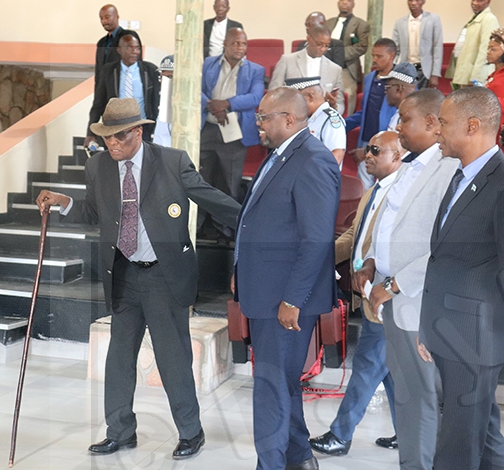
During a packed kgotla meeting that was addressed by Minister of International Relations, Dr Phenyo Butale in Mochudi, the debate centred on some key questions such as whether a Constitutional Court was necessary; the legal processes required to establish one; and its relationship with existing courts and whether it would replace the Constitution.
Residents submitted that there was no urgency in consulting about the establishment of the Constitutional Court when there were more pressing matters to deal with such as the health crisis and bad roads, to mention, but a few. Some viewed it as a court that would provide the leeway for murderers to do as they pleased, alleging that the court would provide room for them to escape death the penalty.
Most residents were of the idea that there was need for an immediate comprehensive review of the Constitution instead of channelling funds towards setting up a Constitutional Court. Others, on one hand, argued that there has not been sufficient consultation regarding the urgency of establishing the court.
First to take the podium was Bakgatla Deputy Chief, Kgosi Bana Sekai, who rallied behind the Constitutional Court’s establishment, reasoning that it was meant to provide an avenue for recourse. He alleged that there had been insinuations in the past that certain cases would have been resolved effectively had they been heard by a Constitutional Court.
Mr Botlhe Kgetse questioned the rationale for the court’s establishment, and further insinuated that it was likely that it was going to serve some political interests. He argued that many issues had been resolved without a Constitutional Court in place hence it was unjustifiable to argue that not having it affected the dispensation of justice.
“The Unity Dow case law is the example in place that has showed that issues can be resolved without a Constitutional Court,” he opined.
Ms Kutlwano Odirile, a lawyer by profession, supported its establishment reasoning that it was an important step towards developing Botswana’s constitutional democratic system, where Batswana would have the opportunity to hold government accountable for safeguarding fundamental human rights.
For his part, Minister Butale explained that the Constitutional Court would not replace the Constitution.
“These are two different things; the Constitutional Court is meant to provide an avenue for fair arbitrary process,” he said.
In countering the argument that not sufficient consultation had been done with the public and other critical stakeholders, he said consultations were continuing countrywide and that there would be a referendum once the consultation process was completed.
Dr Butale acknowledged residents’ concerns about the health crisis and assured them that government was working hard to improve the public health system through among others things, providing sufficient medicines.
“I appreciate your reservations, but this is the state we find ourselves in as a government and we are working hard to bring about normalcy,” he said, adding that the State of Public Health Emergency that President Advocate Duma Boko had enforced was one of the ways of restoring the optimal functionality of the public health system.
-
Drugs availability stands at 50 per cent in Moshupa District
Overall drug availability at Moshupa District Pharmacy Warehouse stands at 50 per cent.
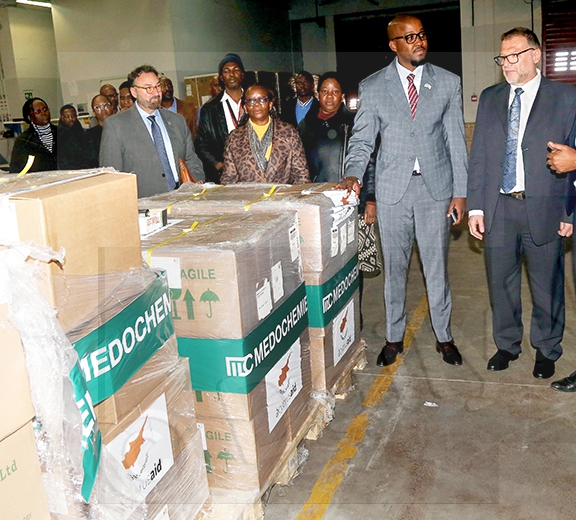
This was revealed by Principal Pharmacist at Moshupa District Pharmacy Warehouse, Ms Thato Aliu during Assistant Minister of Local Government and Traditional Affairs, Mr Ignatius Moswaane tour of the facility and Moshupa Clinic Council on Tuesday.
Breaking down the availability by category, she noted that essential medications were accessible at 52 per cent, vital medications at 62 per cent, and non-essential medications at 36 per cent.
In his address, Assistant Minister Moswaane encouraged healthcare workers in Moshupa District to evaluate surplus stock at various facilities, so that if possible, any excess supplies could be redistributed to other areas facing drugs shortages.
He stressed efficient resource management as a practical step toward improving access. Mr Moswaane further assured staff and the community that government continued to prioritise the health sector.
In addition, Mr Moswaane appealed to the public to avoid spreading negative or unverified information about drug shortages on social media platforms, noting that such reports could create unnecessary alarm and undermine confidence in the health sector.
Moshupa District deputy Council Secretary for Primary Health Services, Mr Mphapi Mbulawa highlighted the critical need to equip nurses and doctors with accurate, real-time information of drug stock levels.
This transparency, he said was essential for effective patient care and timely decision-making at clinics and health posts
The tour and discussions come at a time when Botswana’s health system is addressing supply chain challenges, including efforts to implement digital tools for better tracking of medicines from central warehouses to remote areas.
Stakeholders continue to focus on collaboration, stock redistribution, and public communication to maintain service delivery in districts like Moshupa.
-

BTA Hails Malak Move to Tunisia
Botswana Tennis Association (BTA) vice president has lauded Malak Macheng’s move to Tunisia to join the African Regional Training Centre (ARTC) as a milestone achievement for the young athlete.
“This is obviously a great opportunity for Malak,” said the BTA vice president, Nonofo Othusitse in an interview.
Othusitse noted that the scholarship was part of a prestigious International Tennis Federation (ITF) initiative.
“We understand that the centre can only take 16 players, eight boys and eight girls, so to make the cut was not easy, as admission was based on both ITF and CAT rankings,” he added.
Again, he said the one-year scholarship placed Malak in a high-performance environment designed to bridge the gap between continental talent and international standards. At the Sousse-based facility, Malak will benefit from integrated sport science which entailed all-around access to Sports Medicine services and professional expertise. She will also benefit from Comprehensive Development, which is a curriculum that balanced elite training and high-level competition with off-court personal growth.
She will further have academic rigor, which is a mandatory requirement to maintain an acceptable level of academic performance alongside her athletic commitments.
Malak’s mother, Bonnie Macheng, accompanied her daughter for the transition and confirmed in an interview their arrival in Sousse on Tuesday.
After an initial tour of the grounds, she noted that the facilities were user-friendly and well-equipped for elite athletes.
By Wednesday, Malak had already begun her integration, meeting with her new fitness and conditioning coach to outline her training schedule for the year.
The exclusivity of Malak’s opportunity has highlighted a gap the BTA is eager to close. Othusitse explained that the limited spots at the ARTC had spurred the association to seek a local solution.
“The BTA is currently in the process of setting up a National Training Centre (NTC) and we have made the necessary applications to the ITF,” he said.
He noted that a domestic NTC would allow Botswana to provide a larger number of athletes with the same high-performance training, sports science and medical expertise that Malak was currently accessing in Tunisia. -
Government Acts to Decongest Princess Marina
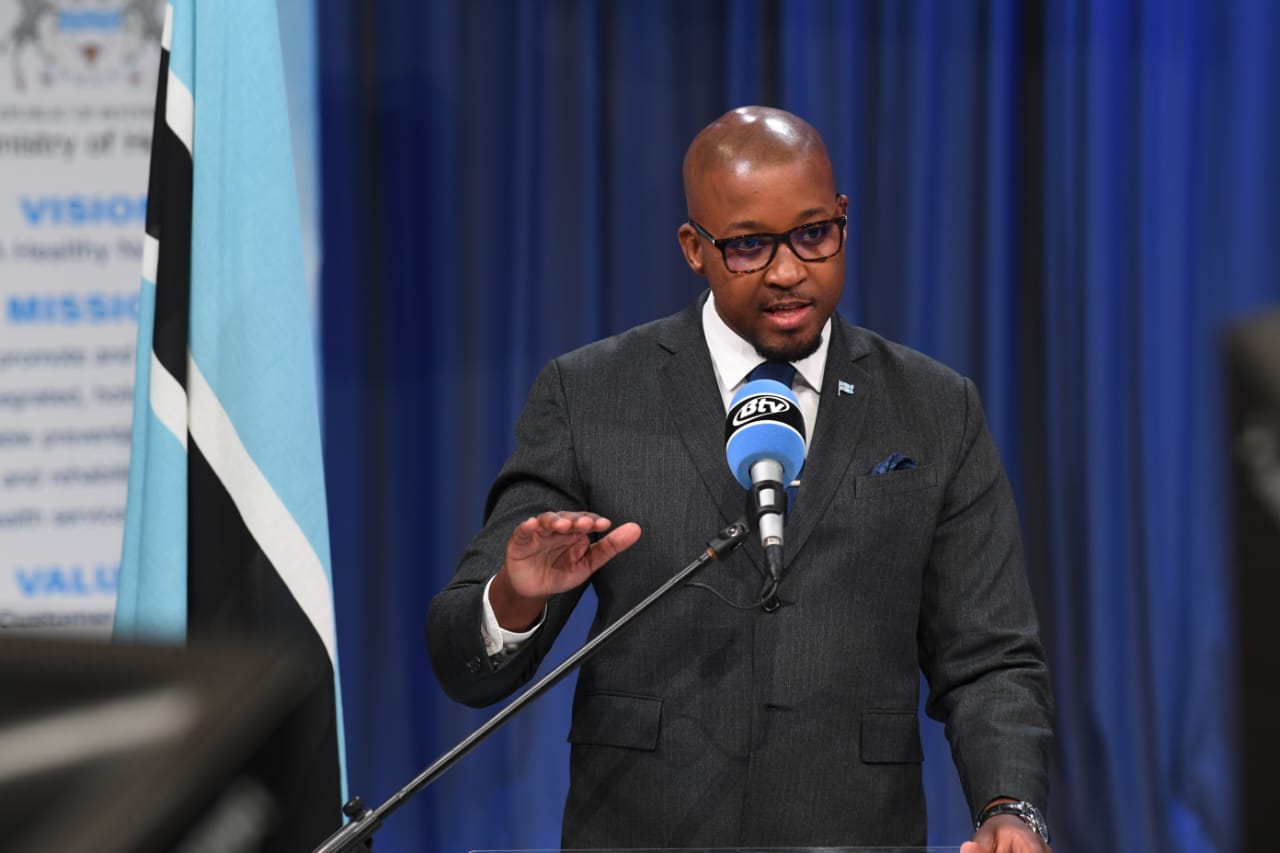
Government has launched an urgent reset of Botswana’s public health system, moving to take over Sir Ketumile Masire Teaching Hospital (SKMTH), decongest Princess Marina Hospital and clear long-standing surgical backlogs, as pressure mounts across major referral facilities.
Addressing the nation on Thursday, Minister of Health Dr Stephen Modise said the reforms signalled a shift from crisis containment to structural recovery, guided by President Advocate Duma Gideon Boko and aligned with National Development Plan 12 and the Botswana Economic Transformation Programme.
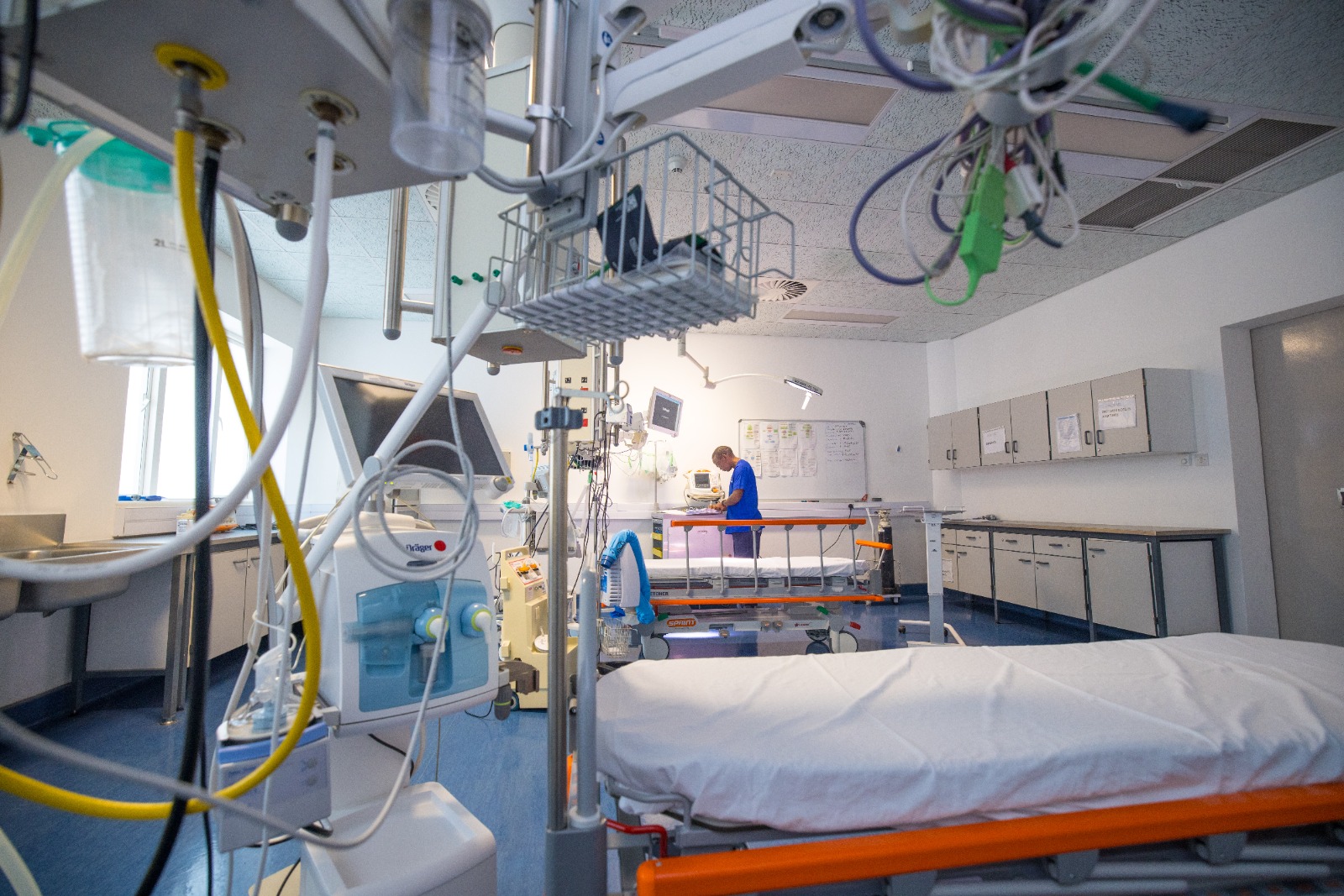
At the centre of the intervention is the rapid conversion of SKMTH from a private facility into a fully public hospital by April 1, 2026. The phased takeover begins immediately and is intended to relieve congestion at Princess Marina Hospital, where limited bed space, theatre capacity and diagnostic constraints have delayed surgeries and increased patient safety risks.
From early February, government will relocate key services to SKMTH, including accident and emergency care, radiology, dialysis, audiology and selected surgical services. Pharmacy and laboratory support services will operate from both hospitals from February 2 to ease bottlenecks. More than 20 specialist outpatient clinics — including cardiology, nephrology, neurology, infectious diseases and paediatric subspecialties — will also be transferred in the first phase.Government is prioritising the clearance of surgical backlogs, starting with orthopaedics. At Princess Marina Hospital, 70 orthopaedic patients are awaiting surgery, including 54 fracture cases. The ministry expects to clear the backlog between February 2 and February 20 by using theatres and specialist staff at both PMH and SKMTH.
Orthopaedic bed capacity will increase from 66 to 106, enabling up to 10 operations per day, double current output. Similar measures will be applied to other pressured specialties, including gynaecology, where about 800 patients are awaiting surgery.
To stabilise diagnostics, government will temporarily outsource laboratory tests that public hospitals cannot perform due to obsolete or malfunctioning equipment, while long-term solutions under NDP12 and BETP are pursued. Three mobile X-ray machines have been deployed to Bobonong, Pandamatenga and Gumare.
On medicines, Dr Modise said Botswana had secured more than 338 essential drugs from the United Arab Emirates, with deliveries beginning February 6 and expected to last up to 7.5 months. Additional supplies are arriving from Zambia, while HIV, TB and cancer medicines are secured for at least 12 months.
Acknowledging public concern, Dr Modise said government’s response was now time-bound and action-driven.
“We are on top of these issues,” he said.Government said medicine stocks are now expected to remain stable well into 2026.
-
Power, Profits and Prescriptions : Inside The Elite Capture of Botswana’s Health System
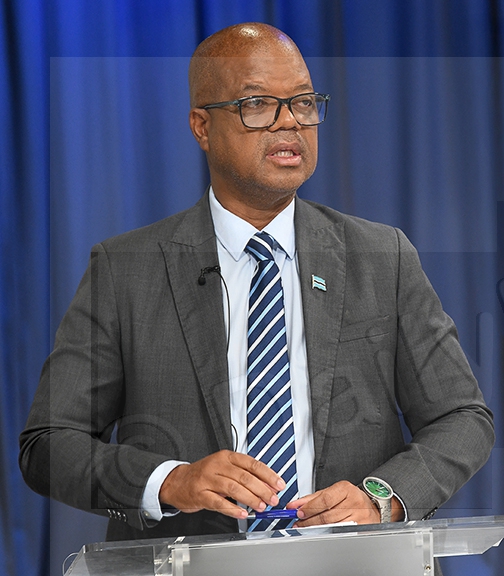
On a Thursday evening, Minister of Health Dr Stephen Modise walked into the Btv studio to address the nation.
He appeared composed, almost Zen-like. T is was striking for a man widely known within political circles as The Hurricane: restless, kinetic, always in motion.
On this night, however, the storm had slowed. The posture was calm. The language measured. The reassurance deliberate.
But the 30-something-year-old minister is burdened with a crisis that did not begin with him, nor with his administration. It did not even begin with the political moment that brought him to office.
It is a crisis decades in the making, shaped under a political order that governed Botswana continuously for 58 years, the era of the Botswana Democratic Party.
This matters, because much of the anger now directed at a new generation of leadership is historically misdirected.
The collapse now visible in hospitals and clinics was designed, normalised, and defended long before this minister was born, through policies, procurement choices, and administrative cultures entrenched over successive administrations.
For a long time, Botswana’s health system survived on trust. Trust that the clinic would be there. Trust that the referral hospital would function. Trust that illness, though frightening, would not automatically become punishment. That trust did not disappear suddenly. It was worn down through repeated exposure to institutional harm, one missing drug at a time, one broken machine left unrepaired, one referral that felt less like care and more like abandonment.
What citizens experienced was not a single failure, but a pattern of injury, repeated, predictable, and largely uncorrected.
A Crisis with a Political Lineage
From the late 1990s through to the end of BDP rule, Botswana’s health system was shaped under successive presidencies, those of Festus Mogae, Ian Khama and Mokgweetsi Masisi.
These administrations differed in style, rhetoric, and political temperament. What they shared was institutional continuity : the same ruling party , overlapping political elites, entrenched procurement systems, and a bureaucratic culture shaped by long incumbency. It was during this period that key features of the current crisis hardened:- Procurement systems that tolerated fragmentation and opacity,
- Maintenance regimes that allowed public infraastructure to decay,
- Referral pathways that quietly redirected patients into private care,
- Policy choices that insulated commercial intermediaries from competition and consequence.
These were not momentary lapses. They were governance choices sustained overtime.
What the Record Shows
Over successive years, Botswana’s own oversight institutions raised alarms. The Auditor General repeatedly documented weaknesses in health-sector procurement and contract management, delays, irregularities, poor value for money, and the normalisation of emergency purchasing that bypassed safeguards. Findings reappeared across audit cycles, recommendations acknowledged but not implemented, weaknesses identified but left structurally intact.
The Office of the Ombudsman investigated cases of maladministration in public hospitals, identifying equipment failures, dysfunctional referral systems, and administrative neglect that directly harmed patients.
These reports were produced, tabled, and debated during the BDP’s long tenure in government. The evidence was available. The patterns were visible. Th e corrective action was partial at best. Individually, these findings read like technical shortcomings. Taken together, they reveal something more serious: a system that absorbed damage without resisting it, because the damage did not threaten those with the power to change it.
From Failure to Capture
It is tempting, convenient even, to explain Botswana’s health crisis as incompetence, capacity strain, or fiscal pressure. But such explanations collapse under scrutiny. Botswana was not uniquely poor during this period. It did not lack trained professionals. It did not lack rules, audits, or warnings. What it lacked was the political will, across administrations, to dismantle a system that increasingly rewarded private gain from public failure.
This is where the language of elite capture becomes unavoidable. Elite capture describes a condition in which public institutions are bent toward the interests of a narrow, powerful group, even as they continue to operate in the name of the public. It does not require overt illegality. It requires self-seeking behaviour protected by proximity to power. Under prolonged one-party dominance, that proximity became stable, predictable, and difficult to challenge.
Collaborative Destruction under Long Rule
There was no dramatic dismantling of public healthcare under BDP rule. What occurred was more dangerous: collaborative destruction. Political elites controlled policy direction and appointments. Commercial actors positioned themselves to profit from shortages, breakdowns, and the steady outsourcing of care.
Bureaucratic discretion expanded where enforcement weakened. Each group benefited differently, but all benefited from the same harm. When medicine was unavailable, patients suffered. When equipment remained broken, treatment was delayed. When referrals became routi ne, families absorbed the cost. Th is harm was not accidental. It was reproduced through tolerance.
The Eco system That Endured
By the time BDP rule ended, the health sector had become an ecosystem of extracti on. Public hospitals failed reliably. Private providers expanded predictably. Public money followed pati ents out of the system. This did not require conspiracy. It required time, continuity and greed disciplined by access to power.
Why This Series Matters Now
This article marks the beginning of a six-part investigati e series that will examine Botswana’s collapsed health system as a product of historical governance, not recent surprise.
Over the coming weeks, the series will trace: - how political power under long BDP rule converged with commercial interests,
- how procurement became a site of extraction,
- how public hospitals were allowed to decay,
- how professionals and insurers navigated, and benefited from, the harm,
- how key policy decisions protected profiteers, • and ultimately, who did what, when, and how. This is not an exercise in partisan score-settling. It is an effort to restore historical accuracy. The crisis confronting the current minister was not inherited from the election cycle. It was inherited from 58 years of accumulated decisions. The evidence is not hidden. The timeline is clear. The responsibility is structural and traceable. What has been missing is the courage to say so plainly.